

Finding sports performance psychology coaching that delivers measurable results and fits each athlete or team's needs is difficult for those seeking to improve mental skills. Many coaching programs lock pricing behind consultations, lack sport-specific tools, or require on-site attendance which limits flexibility and transparency. This comparison reviews approach, scope, and delivery across six alternatives so athletes, teams, and coaches can identify a fit without schedule or pricing surprises.
Table of Contents
- Performance Neuro Training by Dr. Paige Roberts
- Mind Over Mental Block Program
- Jonathan Fader Performance Coaching and Psychology
- Dylan Colbert Performance Psychology Services
- A Path to Change Counseling
- Complete Team MST Program
- Comparison of alternatives
Performance Neuro Training by Dr. Paige Roberts

At a Glance
The flagship 10-week program lists a price of $4,495 for the core curriculum. According to the company, testimonials from Olympic medalists and other high performers report measurable improvements in reaction time, mental clarity, and reduced performance anxiety. Robertsneurotraining delivers the program globally via telehealth with optional in-person neuroimaging when available.
Core Features
The program centers on Alpha Imprinting as a protocol to reset and reimprint the nervous system, paired with QEEG brain scans for baseline assessment and progress tracking. Sessions mix neurofeedback drills, light therapy focused on sleep and recovery, and targeted brain training exercises to improve focus and neural control. Group and team modules adapt the same methods for collective training in organizations and sports teams.
Key Differentiator
The single strongest distinction is the program’s alignment of neuroscience assessment and protocol. QEEG maps neural patterns before training, and neurofeedback targets those same patterns during sessions to change response habits. That closed loop means each module is adjusted to the athlete’s brain metrics rather than a one-size-fits-all script. The model explicitly aims to reprogram trauma-related neural responses so the nervous system supports peak performance.
Pros
Robertsneurotraining ties training to measurable brain data, which makes progress easier to quantify for coaches and medical staff. Telehealth delivery expands access for pro athletes, military personnel, and international clients who cannot attend Los Angeles sessions. The practitioner background and athlete testimonials support clinical experience and sport-specific outcomes. Optional hardware such as light therapy devices and QEEG scans allow athletes to combine remote coaching with objective recovery tools.
Cons
- Requires commitment to a multi-week program for best results.
Who It's For
This fits elite athletes, first responders, founders, and executives who are ready to commit time to neurobiological training. You should be open to protocols that use brain mapping and neurofeedback rather than only talk therapy. Teams looking to integrate measurable mental fitness modules into their training calendar will also benefit.
Unique Value Proposition
Alpha Imprinting coupled with QEEG tracking converts subjective mental training into a repeatable, measurable workflow. Coaches can review brain maps, follow session-driven neurofeedback changes, and adjust modules based on objective signals. That approach shortens the guesswork for clinicians and strength staff and helps align mental training with physical rehab and performance plans.
Real World Use Case
Those testimonials describe a professional snowboarder who used the Alpha Imprinting protocol to overcome competition anxiety and mental blocks. The athlete reported renewed enjoyment in the sport and produced career-high results after finishing the program. Teams have adopted the same modules to reduce group stress responses before major tournaments.
Pricing
The core offering is a 10-week flagship program priced at $4,495. Additional fees apply for optional QEEG brain scans, light therapy devices, and tailored group training packages. Local availability for neuroimaging varies, and some services may require travel to Los Angeles or partner facilities.
Website: https://robertsneurotraining.com
Mind Over Mental Block Program
At a Glance
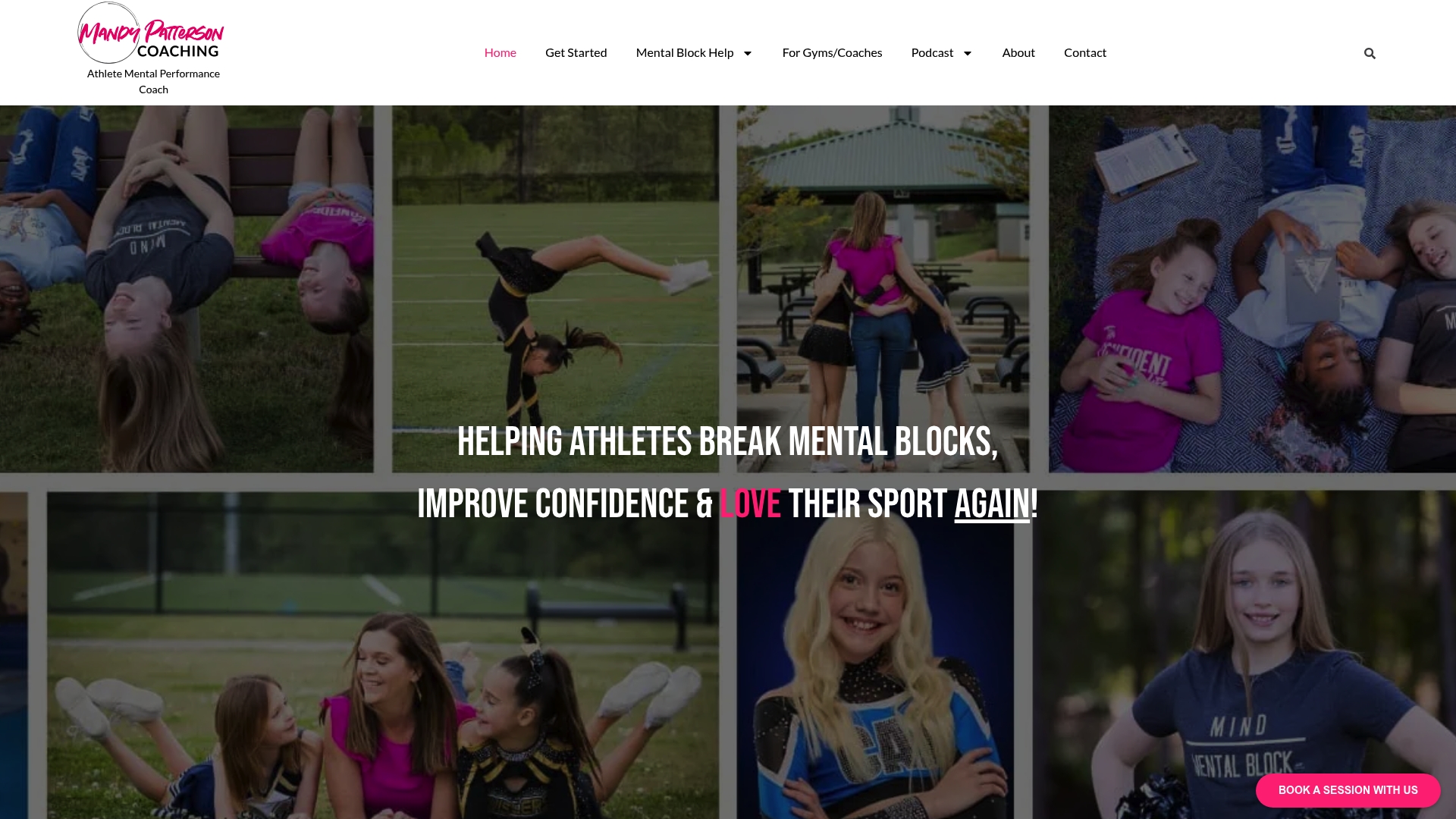
According to the company, the program runs three months and focuses solely on cheerleaders and gymnasts. It pairs one to one coaching with structured lessons and a member circle for peer support. The vendor advertises proven success with athletes who struggle to move past fear and performance hesitation.
Core Features
The program combines Personalized 1:1 mental performance coaching with a structured, athlete friendly curriculum that walks athletes through fear management and confidence skills. It includes community support through The Block Breakers Circle, weekly progress tracking, and technique review with video feedback from coaches. Those elements aim to make mental drills practical alongside physical practice.
Key Differentiator
The program centers community alongside individual coaching. That focus on a sport specific peer circle, paired with targeted video feedback, separates it from general youth mental health resources and from solo workbook approaches.
Pros
Experienced coaches bring sport psychology training and athletic backgrounds, which helps translate mental tools into gym floor work. Customized support and weekly assessments plus video technique review let coaches tie mental skills directly to skill progress. The program offers a clear three-month cycle with flexible scheduling and options to continue support for families who need more time, and that reported success is a frequent theme in their marketing.
Cons
- Cost may be prohibitive for some families. Professional mental performance coaching carries a price that not every household can absorb.
- Requires regular commitment and active participation from athletes and parents. Progress depends on practice outside scheduled calls.
- Results depend heavily on the athlete’s willingness to engage. Those who avoid exposure work or mental rehearsal will see limited benefit.
When It May Not Fit
This program is not a match for athletes who want only physical training and refuse to do mental practice. It also does not suit families who cannot commit to weekly tracking and follow through. If an athlete prefers one off consultations instead of an extended program, they should look elsewhere.
Who It's For
Athletes aged nine and up who are stuck in mental blocks and willing to practice mental skills will get the most from this offering. Parents and coaches who want concrete tools to support anxiety, fear of skills, and perfectionism in gymnastics or cheerleading will find the curriculum practical and sport specific.
Real World Use Case
A gymnast who had avoided her back handspring for months worked with coaches on graded exposures, visualization, and video feedback. After progressing through the program, she landed the skill in practice and regained confidence to add it into routines.
Website: https://mgpcoach.com
Jonathan Fader Performance Coaching and Psychology
At a Glance
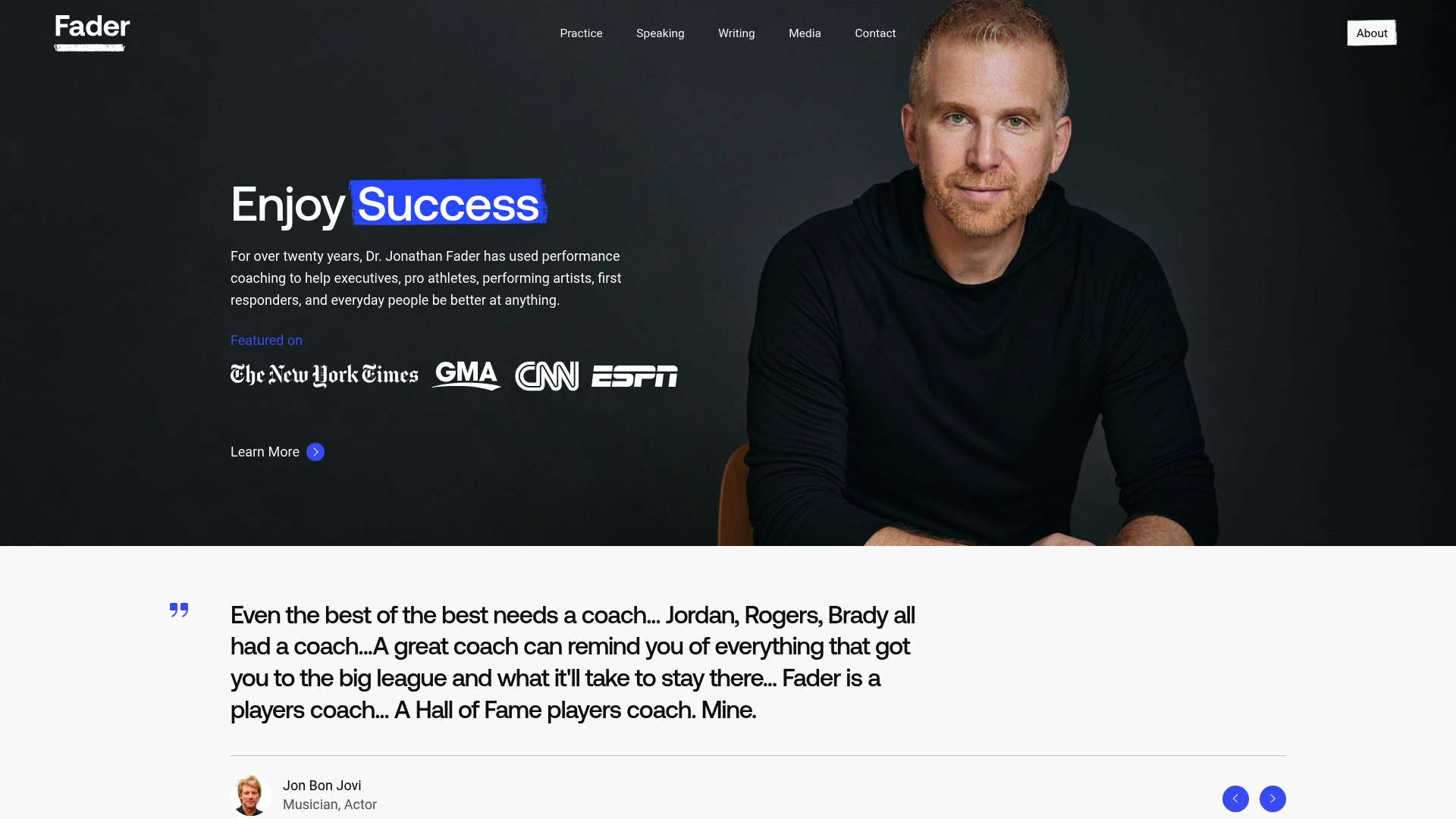
He pairs clinical training with work for professional athletes and first responders to coach performance under real pressure. Fader's materials state his methods are research-backed and use cognitive behavioral therapy and motivational interviewing in sports and organizational settings. Clients include professional teams and corporate groups, and he delivers workshops alongside one on one coaching.
Core Features
Jonathan Fader delivers one on one performance coaching, mental skills training, and psychology consulting for athletes, executives, and teams. He provides resilience, stress management, motivation, confidence, and focus training while running workshops such as Connected Coaching and MI skills development. He also accepts speaking engagements and collaborates with groups like Strata Performance and Union Square Practice on clinical work.
Key Differentiator
The main differentiator is the combination of direct team experience with clinical training applied to both individual performance and organizational dynamics. That mix produces interventions tailored for field performance and for leaders managing stress under pressure. The emphasis on translating clinical methods into practical drills sets his work apart for teams and leaders.
Pros
Used by professional athletes, executives, and first responders, his practice shows depth of field experience and sector credibility. He pairs teachable mental skills with clinical techniques so coaches and team staff can implement follow-up practice between sessions. Offerings span coaching, workshops, speaking, and writing, which helps organizations add single workshops or longer retained support.
Cons
-
Not a software product. There is no app or platform for self guided practice.
-
Services skew to organizations and professionals. Casual athletes seeking low commitment options may find the fit poor.
-
Pricing and scope are customized and not publicly listed. That can slow budget approvals for teams that need fixed rates.
When It May Not Fit
If you want an app, daily guided exercises, or a library of on demand modules, this practice will not meet that need. If you need transparent published rates to compare vendors quickly, the customized pricing model can be a barrier. Clients with small budgets who need self paced tools will likely be better served by digital platforms.
Who It's For
Athletes and teams that need high touch coaching and clinical oversight will get the most from his work. High performers, squad leaders, sports psychologists, and corporate teams facing acute stress or performance stalls match well. Organizations seeking workshops on communication and resilience can contract short engagements or longer retained consulting.
Real World Use Case
A corporate sales team booked a half day workshop on communication and stress resilience to address burnout and missed targets. Fader led skill drills, group exercises, and follow up coaching for team leads which improved day to day communication patterns. That engagement shows how clinical methods can translate into behavioral change at scale for a professional group.
Pricing
Pricing is customized per engagement and not listed publicly. The practice charges per session or contract depending on client needs and scale. Estimates are provided after an initial consultation.
Website: https://jonathanfader.com
Dylan Colbert Performance Psychology Services
At a Glance
Starts at €60 for psychological tune-up sessions, with a Psychological Scout Report at €150 and a Performance Plan at €450. As one of the mentaltraininginc.com alternatives, the service centers on online assessments and follow through that feed into tailored training. The vendor advertises scientifically-validated assessment tools and strategies to inform those plans.
Core Features
The service delivers a Psychological Scout Report built from psychometric assessments and a bespoke Performance Optimization Plan that translates results into practice drills. Ongoing Psychological Tune-up Sessions keep recommendations active and adapt them over time. Consultations run via Zoom to keep sessions flexible and accessible.
Key Differentiator
According to the company, the offering pairs empirically-validated psychometric assessments with individually tailored, science-backed performance strategies delivered by a research psychologist. That approach ties test results directly to actionable practice elements and ongoing adjustments by a credentialed clinician.
Pros
The approach uses evidence-based methods and a formal assessment that clarifies specific mental strengths and weaknesses. Programs are highly personalized, which helps athletes move from assessment to concrete drills with clear practice targets. Delivery over Zoom makes the service accessible across time zones, and the lead clinician brings academic and applied experience that supports translation of research into training.
Cons
- Buyer intent required. The service expects clients who commit to targeted performance work rather than casual check-ins.
- Not a replacement for clinical therapy. The offering focuses on optimization, not treatment for mental health disorders.
- Cost can be higher than general coaching because reports and tailored plans are priced separately.
When It May Not Fit
Athletes looking for general counseling or crisis support should pick a clinical therapy provider instead. Teams that need an on-site program with daily coaching support may find the online, assessment-driven model less suitable. People unwilling to follow through on homework and drill work will not get full value from the assessments and plans.
Who It's For
Performance-oriented athletes and performers who want assessments that point to specific practice targets. Professionals who prefer a research-informed structure and remote delivery will get the most from this service. Coaches seeking a diagnostic report to inform training blocks can also use the outputs directly.
Real World Use Case
A pro cyclist completes the Psychological Scout Report to map attention and emotional regulation patterns. The report feeds a Performance Optimization Plan that prescribes focused breathing drills and imagery tasks for pre-race routines. Regular tune-up sessions via Zoom monitor progress and adjust drills as competition demands change.
Pricing
Pricing starts at €60 for psychological tune-up sessions. The Psychological Scout Report is listed at €150 and the Performance Optimization Plan at €450. Reports and plans are priced individually, and ongoing sessions are billed per appointment.
Website: https://drdylancolbert.com
A Path to Change Counseling

At a Glance
Offers EMDR sessions to musicians, actors, and dancers by telehealth and in office across Florida, South Carolina, Delaware, Massachusetts, and Vermont. The practice reports using EMDR, which the vendor describes as an evidence based therapy recognized by major health organizations. Therapists create individualized plans that target performance anxiety, trauma, and confidence for live work.
Core Features
Clinicians combine EMDR with targeted performance therapy to process traumatic memories and reduce stage anxiety. Sessions run via telehealth and in office to accommodate touring schedules and local care needs. Intake includes assessment of performance triggers and personalized goal setting for shows or auditions.
Key Differentiator
The clinic centers therapy on artistic performance, treating stage readiness as a clinical goal alongside trauma resolution. That approach pairs EMDR with experience in addiction and performance coaching to prepare clients for live events. The performance focus shapes session targets around auditions, rehearsals, and competition settings.
Pros
Specialized services for performers mean the material in sessions directly reflects stage stressors and career pressures. Remote appointments widen access for out of state performers while in office options serve local clients. The lead clinician lists EMDR certification and a background in addiction and peak performance, which supports work on both trauma and readiness for high stakes events.
Cons
- In person services are limited to Florida, South Carolina, Delaware, Massachusetts, and Vermont, restricting hands on care for performers outside those states.
- The practice concentrates on performance anxiety and trauma, so general mood disorders or complex psychiatric needs may require a different clinician.
- Website does not list session fees or clear pricing, requiring direct contact for cost and insurance details.
When It May Not Fit
Not a fit for people seeking broader mental health care or medication management. If you need in person therapy and do not live in the listed states, access will be telehealth only. Clients who want published rates or a detailed fee schedule may find the website sparse and must request pricing by contact.
Who It's For
Performers and artists who struggle with stage fright, performance anxiety, or trauma and prefer therapy tailored to live work. Musicians, actors, and dancers who value EMDR based processing and flexible telehealth sessions will find the clinical focus relevant. Clients who want a therapist familiar with the pressures of performance schedules will benefit most.
Real World Use Case
A professional musician facing severe pre show panic completed targeted EMDR sessions that mixed telehealth and periodic in office appointments. Therapy focused on specific memories, rehearsing triggers in controlled settings, and rebuilding confidence for live concerts. Progress was assessed through reported reductions in anticipatory panic and by rehearsing performance routines under therapist guidance.
Pricing
Pricing is not listed on the website. Prospective clients must contact the practice to request a fee schedule and to discuss insurance options. Ask about sliding scale availability or payment arrangements during the initial intake contact.
Website: https://apathtochange.com
Complete Team MST Program
At a Glance
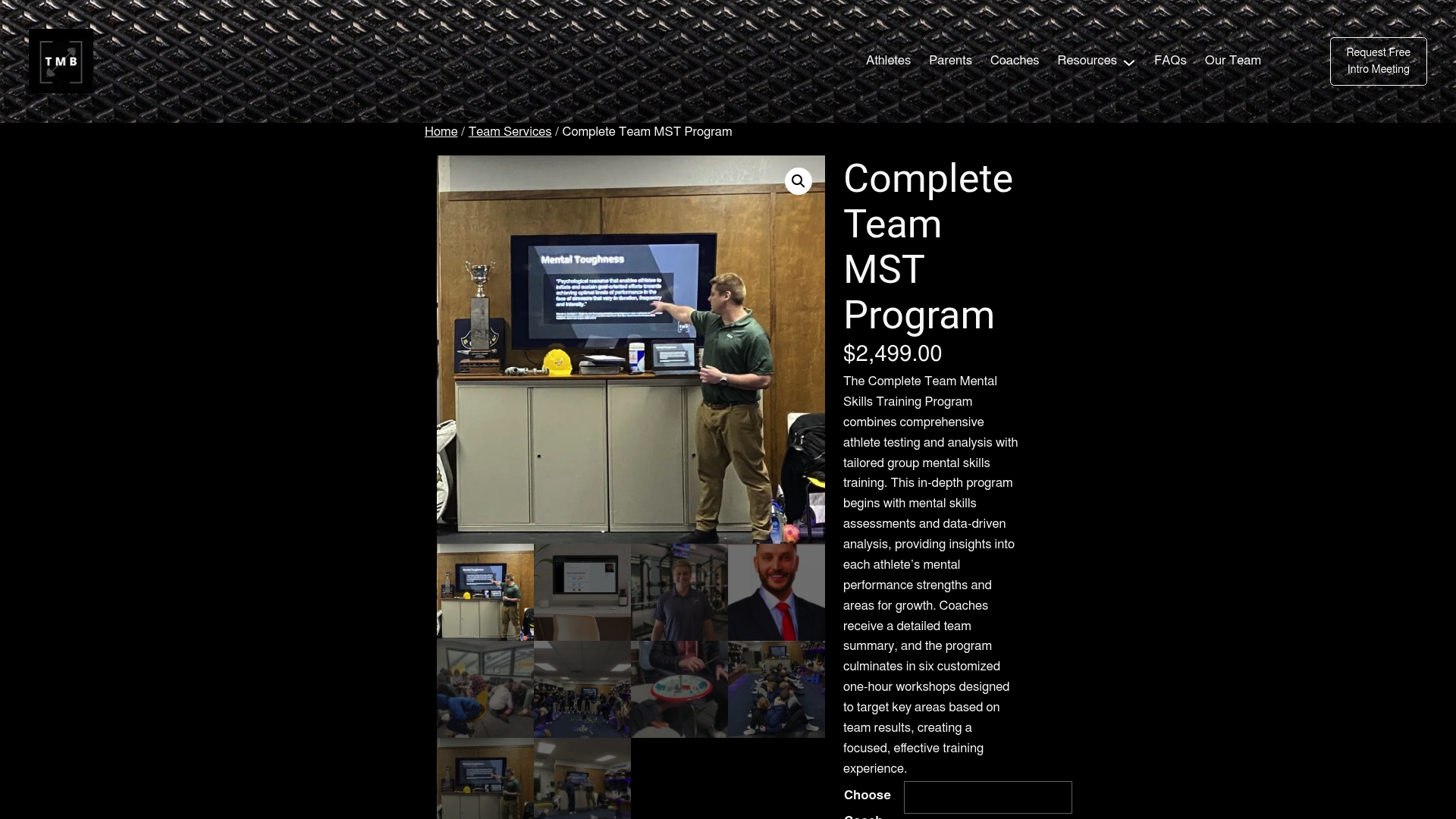
The program delivers six customized one-hour workshops built from athlete testing and team analysis. It pairs individual assessments with a detailed team summary for coaches. Workshops run virtually or in person and focus on resilience, focus, stress management, and confidence.
Core Features
The offering combines mental skills assessments with team and individual data analysis to reveal strengths and gaps. Coaches receive a detailed team summary that translates findings into actionable workshop themes. The six workshops adapt content to the team profile and aim to improve cohesion and mental toughness during training and competition.
Key Differentiator
The program uses comprehensive athlete testing to shape every workshop and drill, not a one-size-fits-all curriculum. That emphasis on team-level data means practice topics and scenarios reflect measured weaknesses. Teams that want training explicitly tied to assessment results will find this approach distinct.
Pros
The package pairs assessment and delivery in a single program, so coaches get clear, measurable starting points and follow-up sessions. The detailed team summary helps coaching staff prioritize mental skills to address during practices. Workshops are tailored to the team profile and come with flexible delivery options, so travel constraints or remote schedules do not block participation.
Cons
- Higher cost relative to simpler programs at $2,499. This makes it less accessible for smaller budgets.
- Requires active participation and commitment from athletes and staff for the program to work.
- Results hinge on follow-through and practice after the workshops, so gains may fade without continued effort.
When It May Not Fit
Teams that cannot commit to a multi-session program or that lack buy-in from key players will struggle to get value. Groups seeking a single workshop without prior assessment will find the approach heavier than needed. Programs with no plan for post-workshop practice may see limited sustained change.
Who It's For
Coaches and sports teams that want structured, assessment-led mental skills work will benefit most. This fits teams willing to invest in testing and follow a recommended schedule. Ideal clients plan to integrate workshop learnings into regular training.
Real World Use Case
A college basketball team completes psychological assessments, reviews a team report with coaches, and attends six tailored workshops over a season. Sessions target concentration under pressure and recovery from setbacks. The coach uses the team summary to set practice scenarios that mirror competitive stressors.
Pricing
$2,499 covers assessments, a detailed team report, and six customized one-hour workshops delivered virtually or in person. The package starts with athlete testing, and team level analysis. Coaches receive a clear summary that highlights strengths and areas to target for collective mental skills growth.
Website: https://thementalbarbell.com/product/complete-team-mental-skills-training-program
Comparison of alternatives
Navigating the expansive array of strategies for enhancing athletic mental performance highlights distinct methodologies by each program. Evaluating these choices reveals unique strengths that cater to varying needs among athletes and teams aiming to optimize their mental resilience and focus.
Neuroscience-Backed Programming Versus Generalized Coaching
Robertsneurotraining.com distinguishes itself by anchoring its Alpha Imprinting training in QEEG-based assessments, allowing a uniquely tailored approach for measurable neural performance improvement. Meanwhile, Jonathan Fader's practice integrates clinical psychological methods refined for professional teams, emphasizing motivational interviewing and field application of cognitive behavioral approaches. For organizations needing systemic behavioral optimization under competitive environments, Fader's framework presents value.
Athlete-Specific Curriculums in Targeted Youth coaching
Programs like Mind Over Mental Block deliver exceptional value with their youth-oriented structure that interweaves group support and sport-specific skill building. This contrasts with the clinical depth of Dylan Colbert's service, which prioritizes scientifically-validated assessments for athlete development. Together, these exemplify the spectrum of coaching depth and reach, suitable for families and high-performance evaluators alike.
Best fit
- If you seek neuroscience-aligned training integrating measurable brain health improvement techniques, choose Performance Neuro Training by Dr. Paige Roberts.
- For expertise in developing resilience amidst professional teams and young athletes in specific fields such as gymnastics, Jonathan Fader Performance Coaching and Mind Over Mental Block excel.
- For mental skill optimization using quantifiable assessments feasible online, consider choosing Dr. Dylan Colbert Performance Psychology Services.
Our pick
Given the focus of methodology grounded in neural feedback tailored over validated metrics and its accessibility via telehealth for elite demographics, Performance Neuro Training by Dr. Paige Roberts stands out. Robertsneurotraining's adherence to quantifiable delivery with optional in-depth neuroimaging accentuates its class-leading status. For those exploring recalibration of mental acuity with granular precision, it's an selection.
Clarity of features and alignment with measurable outcomes are essential when comparing sports performance psychology coaching options.
| Product | Core Feature | Key Differentiator | Pricing | Notable Limitation |
|---|---|---|---|---|
| Robertsneurotraining | Alpha Imprinting and QEEG tracking | Individualized neuroscientific assessments | $4,495 | Requires commitment to a multi-week program |
| Mind Over Mental Block | Coaching and structured curriculum | Incorporates peer support circle | Price not published | Progress requires consistent athlete and parent effort |
| Jonathan Fader Coaching | Cognitive behavioral therapy and workshops | Clinical methods tailored for teams | Price not published | Lacks app or platform for self-guided practice |
| Dylan Colbert Psychology | Psychometric assessments and coaching | Evidence-based and research-informed plans | €60–€450 | Not designed for mental health disorder treatment |
| Complete Team MST Program | Customized workshops and team summaries | Assessment-based session tailoring | $2,499 | Higher cost, emphasizes team participation |
When Mental Blocks and Performance Anxiety Hold You Back
Athletes face mental challenges such as panic, anxiety, and trauma responses that stop them from performing at their best. Robertsneurotraining uses neuroscience to retrain the nervous system and clear these obstacles with a protocol called Alpha Imprinting. This method targets mental blocks and performance anxiety that often follow injury or past stress.

If you want measurable progress backed by brain data and have the commitment to a 10-week program, turn to Robertsneurotraining for focused mental resilience and energy optimization. Learn more about this performance neuro training at Robertsneurotraining and see how it can help athletes, executives, and teams improve mental clarity and reaction time under pressure.
FAQ
What key benefits does Robertsneurotraining offer?
Robertsneurotraining provides a unique blend of neuroscience assessment and protocol adjustments tailored to individual athletes. The program utilizes QEEG brain scans to create personalized training plans that enhance performance by addressing specific neural patterns. Athletes focused on optimizing their mental capabilities should consider this specialized approach to peak performance.
How does Mind Over Mental Block Program compare to Robertsneurotraining?
The Mind Over Mental Block Program excels in individual coaching and community support for athletes, especially cheerleaders and gymnasts. It focuses on overcoming fear and performance hesitation while providing a tailored curriculum. In contrast, Robertsneurotraining uses Alpha Imprinting and QEEG assessments for a broader application in elite sports performance, making it ideal for a wider range of athletes seeking measurable improvements.
What is the pricing for Robertsneurotraining compared to Jonathan Fader's coaching?
Robertsneurotraining's flagship 10-week program costs $4,495, providing comprehensive features like neurofeedback and light therapy devices. Jonathan Fader’s performance coaching services, while effective, vary in pricing and are customized per engagement, which may lead to higher costs depending on the specific needs and scales of organizations. Athletes seeking fixed pricing may find Robertsneurotraining more straightforward.
Is Robertsneurotraining suitable for teams and organizations?
Yes, Robertsneurotraining has tailored modules for teams and organizations that focus on collective training methods. The approach adapts neuroscience techniques to group settings, promoting enhanced mental fitness among all members. Teams looking to integrate structured mental training into their programs will find this offering particularly useful.
How does the Complete Team MST Program provide value compared to Robertsneurotraining?
The Complete Team MST Program delivers six customized one-hour workshops based on team assessments to improve mental skills collectively. While this program offers group-focused workshops, Robertsneurotraining emphasizes individual brain mapping through QEEG scans to provide a more personalized training experience. Teams seeking structured mental skills training without the extensive individual assessments may prefer the Complete Team MST Program.