

Comparing sports performance psychology programs that target both neurotraining and on-field results is confusing with so many niche methods on the market. Most competitors either require high-cost multiweek commitments or do not offer fully integrated clinical and performance coaching for athletes, teams, and coaches. This comparison makes it possible to weigh cost, delivery formats, and fit for specific sports needs across four leading alternatives to neurotrainingeducation.com.
Table of Contents
- Performance Neuro Training by Dr. Paige Roberts
- Sports Psyched
- The Golf Brain Coach
- Skadi Sport Psychology
- Comparison of alternatives
Performance Neuro Training by Dr. Paige Roberts

At a Glance
The flagship program runs ten weeks and costs $4,495. The program combines nervous system reset protocols with telehealth delivery for global access. Dr. Paige Roberts leads the work and holds certifications in neuro coaching, light therapy, hypnotherapy, and NLP.
Core Features
The program uses neuroscience-grounded protocols for trauma reprogramming and nervous system reset, including customized sessions and group work. It pairs Alpha Imprinting with diagnostic tools such as brain scans and light therapy. Programs are tailored to athletes, performers, and high-output professionals and deliver sessions by telehealth worldwide.
Key Differentiator
According to the company, Alpha Imprinting reprograms the nervous system like a computer to reset trauma responses and optimize flow states. That protocol targets subconscious programming rather than only conscious talk therapy. The method frames nervous system change as repeatable session-based training instead of one-off counseling.
Pros
The vendor advertises proven success with professional and Olympic-level athletes. The offering bundles nervous system work with physical adjuncts such as brain scans and light therapy, which helps translate mental gains into on-field readiness. Dr. Roberts brings over 21 years of experience and a mix of clinical and applied certifications, which supports work with teams and individual elite performers. Telehealth delivery keeps scheduling flexible for traveling athletes.
Cons
- Focus on trauma desensitization and subconscious reprogramming may not suit those seeking purely physical or traditional mental training approaches.
Who It's For
Elite athletes, coaches, performers, and high achievers who want neuroscience-informed mental optimization and trauma recovery. Teams and professionals rehabbing from sports injuries or concussions will find the session structure relevant. People focused only on technique without nervous system work will likely prefer a different program.
Unique Value Proposition
The program packages a ten-week, session-based protocol that pairs Alpha Imprinting with brain scans and light therapy. That configuration shifts work away from talk-only therapy toward nervous system recalibration you can schedule and track. For athletes returning from injury, the format fits rehab timelines and team coordination.
Real World Use Case
A professional skier used the program to address performance anxiety after a traumatic injury. The regimen combined Alpha Imprinting sessions, diagnostic scans, and targeted light therapy. The athlete reported regained confidence, improved reaction times, and measurable performance gains during the following season.
Pricing
The flagship 10-week program is priced at $4,495. Additional options such as brain scans, device consults, or supplemental sessions vary by need and are quoted separately.
Website: https://robertsneurotraining.com
Sports Psyched

At a Glance
Sports Psyched reports a method called CMDT: The Mind + Movement® that trains perception, decision-making, and movement together in game-like contexts. The program mixes neurofeedback, psychometrics, and on-field cognitive-motor dual-task drills. That mix aims to transfer mental skills directly to high-pressure sports scenarios.
Core Features
Sports Psyched combines cognitive-motor dual-task training with individualized assessment and training plans, and it offers both virtual and in-person sessions. The curriculum uses realistic stress simulation to rehearse decision-making and emotional regulation under pressure, and it layers neurofeedback and psychometric assessments to track progress. Programs include Get Psyched, Game Ready, Fusion Golf, 1v1 coaching, and Enterprise solutions for team and youth development.
Key Differentiator
The vendor advertises integration of sport psychology, neurofeedback, and on-field dual-task training to support real-world performance transfer. That focus on simultaneous mental and physical skill training is less common among standard mental skills programs. The approach aims to shorten the gap between practice and competition by simulating chaotic, sport-specific conditions.
Pros
Sports Psyched centers training on simultaneous mental and physical demands, so athletes practice decision-making while moving. The program is customizable for different sports and for individual athletes, teams, and organizations, and it includes both individual coaching and enterprise-level team work. Its emphasis on realistic stress simulation makes training feel directly applicable to game situations rather than abstract mental drills.
Cons
- Limited detailed pricing information is available to compare costs across program tiers.
- Specific third-party validation or published outcome studies are not specified by the vendor.
- Full programs may require a substantial time commitment to reach observable changes.
- Delivery may need a specialized trainer or coach, which can limit access for remote or resource-constrained teams.
When It May Not Fit
This option may not fit teams seeking a low-commitment, drop-in mental skills course because programs can require sustained engagement. It may not suit organizations that cannot secure a trained CMDT practitioner, since implementation quality affects results. Programs with primarily online delivery needs may find accessibility details limited compared with fully remote platforms.
Who It's For
Athletes, coaches, and sports organizations that want training designed to work while athletes move and make choices perform best here. Teams preparing for high-pressure competition and programs aiming to embed mental skills into daily practice will find the curriculum relevant. Youth programs seeking an organizational solution can consider the Enterprise offerings.
Real World Use Case
A college football team uses CMDT sessions to recreate late-game chaos while players perform position-specific movement patterns and cognitive challenges. Coaches track psychometric shifts and neurofeedback markers across sessions. The team reports steadier decision-making and calmer emotional responses in close games after integrating the modules into weekly practice.
Pricing
Pricing is not listed on the public site. The vendor presents programs as informational and custom, so teams should expect quotes tailored to program scope, session format, and trainer involvement. Prospective clients need to contact the provider for specific rates and package options.
Website: https://sportspsyched.com
The Golf Brain Coach
At a Glance
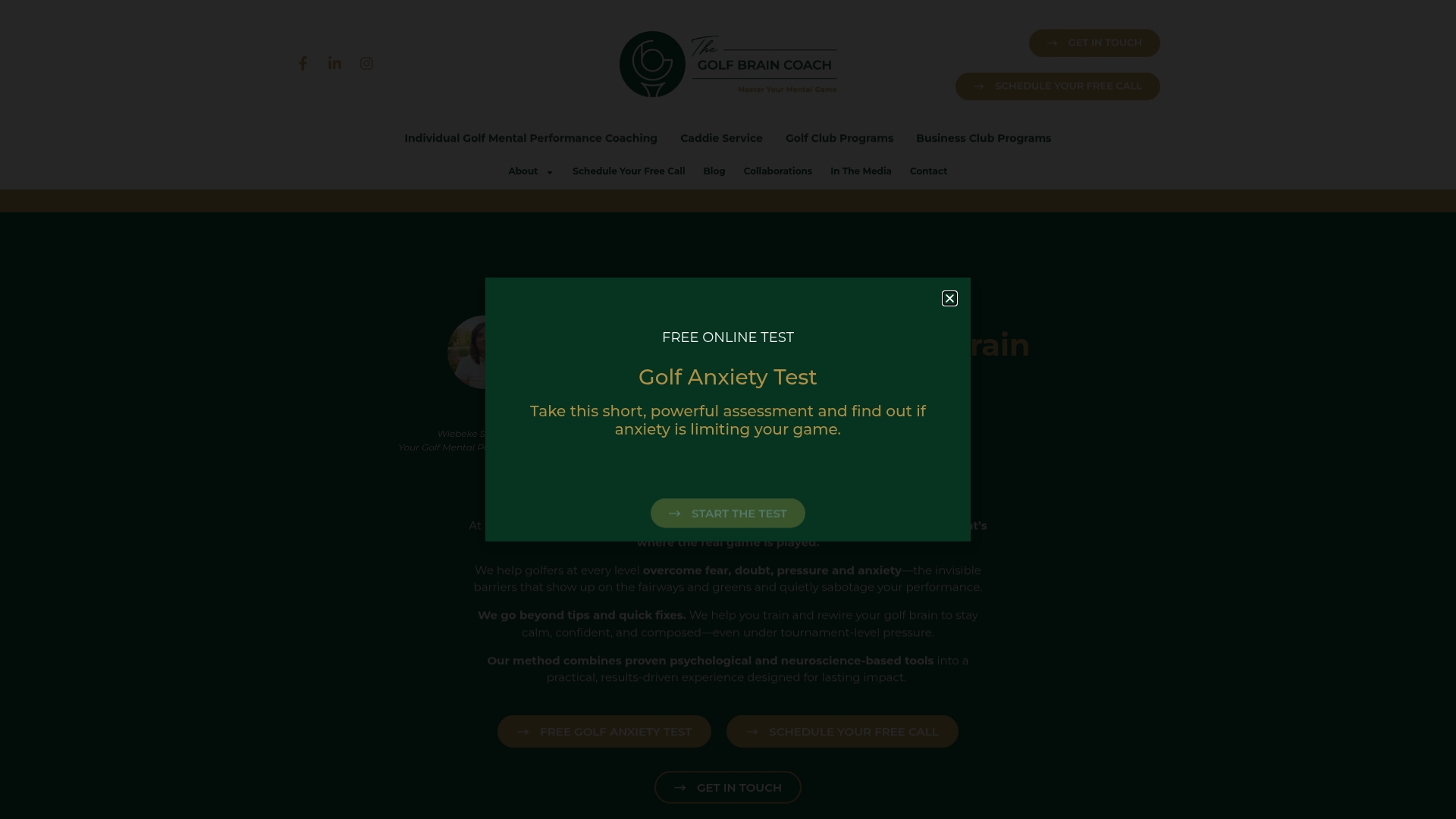
The program combines EMDR therapy with certified caddie support for on-course coaching and mental training. Led by Wiebeke Seymortier and Johan Bancken, the team delivers online and in-person sessions. The offering centers on practical routines that golfers can use during competition.
Core Features
The Golf Brain Coach pairs neuroscience-based mental training with narrative psychology and nephrology to manage pressure and sharpen focus. The service includes EMDR, personalized 1-on-1 coaching available online, live, or hybrid, and real-time caddie coaching during rounds. Sessions focus on pre-shot routines, anxiety reduction strategies, and reframing self-talk.
Key Differentiator
The program blends clinical techniques with on-course application to move mental work out of the practice tee and into competition. That direct link between therapeutic methods and live caddie support helps golfers apply new mental patterns while under tournament pressure.
Pros
The vendor advertises deep, lasting mental transformation using psychological and neuroscience tools, and that claim aligns with its emphasis on multiweek therapeutic work. Coaches tailor plans to individual goals, so athletes receive specific pre-shot routines and mental scripts. The addition of a certified caddie-coach brings immediate, course-level feedback that many mental coaches do not offer.
Cons
- The service focuses on the mental game and does not address technical swing mechanics. This leaves clubs needing a separate swing coach for physical changes.
- Results depend heavily on the golfer's commitment and regular practice of the assigned techniques. Occasional sessions alone are unlikely to produce durable change.
- EMDR sessions can be intensive and may require multiple meetings, which increases time and scheduling demands.
When It May Not Fit
Golfers seeking a short, single-session fix will find this approach misaligned with their needs. Teams that want swing diagnostics, shot-tracking tech, or physical coaching will need to pair the program with technical services. Players unwilling to practice mental routines between sessions will likely see limited progress.
Who It's For
Competitive amateurs and touring professionals who struggle with pre-shot anxiety, yips, or tournament pressure will benefit most. Club managers and player development directors looking to add mental skills work for members can integrate these services into existing coaching offerings. Business professionals who use golf for performance under pressure will also find the techniques applicable.
Real World Use Case
A competitive amateur works with a coach to rewire pre-shot thoughts and reduce tournament panic. The coach uses EMDR in early sessions and then practices the new routine on course with the caddie-coach. Over several events the player reports steadier routines and fewer panic episodes during high-stakes holes.
Pricing
Not applicable. The site describes services and formats but does not list standard pricing or packaged fees.
Website: https://thegolfbraincoach.com
Skadi Sport Psychology
At a Glance
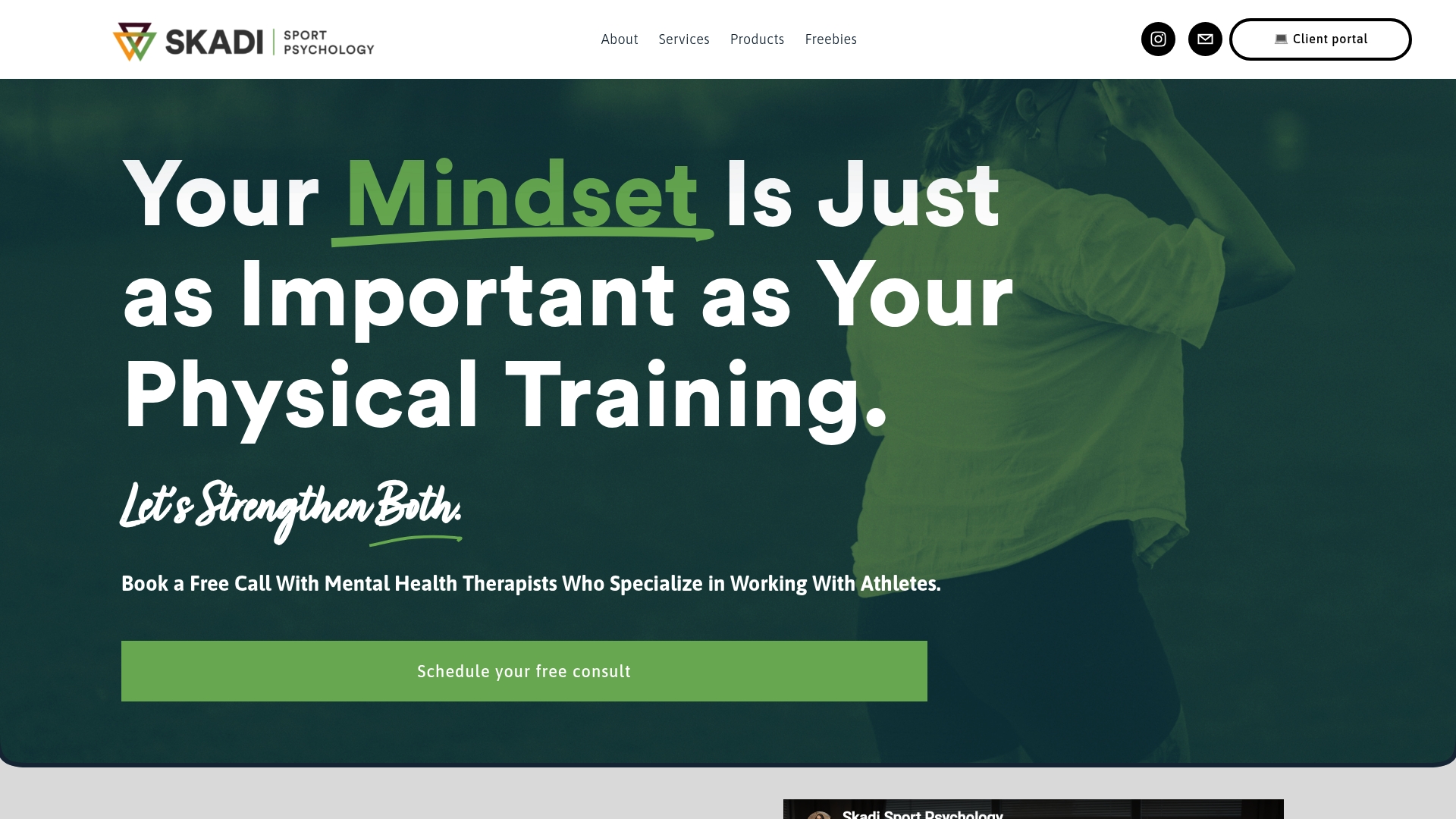
Currently full for adult performance coaching over 30, with a waitlist for new clients. Among neurotrainingeducation.com alternatives, Skadi Sport Psychology blends clinical therapy and sport-focused coaching for athletes age 10 and up. The practice offers both virtual sessions and in-person therapy in Minneapolis, and it maintains a community focus through outreach and social justice work.
Core Features
Skadi combines mental health therapy and performance coaching with regular assessment and progress monitoring to track change over time. The team maintains personalized resource wiki pages for clients and assists with insurance benefit checks and claims filing support. Sessions run virtually or in person, and providers bring lived athletic experience to clinical work.
Key Differentiator
The vendor emphasizes integrated therapy and coaching led by clinicians who have personal athletic backgrounds. That mix lets clinicians translate sports-specific triggers into therapy goals and practiceable mental skills. The result is a single provider relationship that handles injury recovery, anxiety management, and performance planning.
Pros
Skadi shows deep clinical focus on athlete mental health, combining therapy for depression, anxiety, and trauma with goal-oriented performance coaching. Team members report personal athletic experience, which helps them read sport-specific cues and design drills that map to practice and competition. The clinic supports access by checking insurance benefits and by offering virtual care alongside in-person visits in Minneapolis.
Cons
- Currently full for adult performance coaching over 30, with a waitlist for new clients. This limits immediate access for that demographic.
- Public materials provide limited detail on the specific therapy models or step-by-step coaching curricula. That makes it hard to compare methods directly with other providers.
- No integrations or digital tool details are listed, so there is little clarity about client portals or community forum functionality.
When It May Not Fit
If you need immediate adult performance coaching and are older than 30, the waitlist makes Skadi a poor short-term choice. If you require a clearly documented, manualized protocol or visible digital platform features, the public information will likely feel thin. Teams seeking an integrated online community or explicit third-party tool integrations may find the offering incomplete.
Who It's For
Athletes, coaches, and parents who want clinical mental health care tied directly to performance work will find Skadi relevant. Youth athletes and families near Minneapolis benefit from the in-person option plus virtual continuity. People who value clinicians with athletic experience and help navigating insurance will see concrete advantages.
Real World Use Case
A college swimmer with race-day panic can get short-term therapy to reduce catastrophic thinking and ongoing performance coaching to rehearse focus routines. The clinician uses assessments to set measurable goals, shares targeted wiki resources for practice nights, and helps file insurance claims for therapy sessions. Over time, the athlete works on exposure to race triggers in session and applies mental skills during training.
Website: https://skadisportpsychology.com
Comparison of alternatives
Roberts Neuro Training provides unique value in delivering remote neuroscience-informed sports psychology solutions, while competitors bring distinct practical and therapeutic approaches. Each offers specialized features, making the choice dependent on specific performance needs and priorities.
Neuropsychology methodologies
Roberts Neuro Training uses Alpha Imprinting combined with relevant diagnostics, such as brain scans and light therapy. This protocol differs by targeting subconscious trauma responses and flow state optimization, beneficial for rehabilitation and performance enhancement. Sports Psyched employs CMDT methodology, integrating cognitive-motor dual-task drills and neurofeedback. This model supports performance under game-like situations. The Golf Brain Coach applies therapeutic strategies, such as EMDR, with practical tournament routines, delivering direct support during competitions. Skadi Sport Psychology offers therapy connected to athletics, with resources to aid access via insurance claims, fostering long-term commitments to mental health.
Applicability scenarios
Each service matches different user profiles. For athletes rehabbing post-injury or dealing with sustained trauma, Roberts Neuro Training provides structured telehealth protocols globally. Sports Psyched suits players seeking decision-making practice under pressure, including organizations requiring training scalability. The Golf Brain Coach fits golfers aiming for precise competitive mental routines, facilitated by live coaching. Skadi serves youth athletes and nearby residents preferring direct in-person sessions.
Best fit
- Roberts Neuro Training suits athletes needing neuro-optimized recovery and performance coaching delivered globally.
- Sports Psyched benefits teams and players training cognitive and physical skills for competitive edge.
- Golfers requiring on-course mental coaching for tournaments will find The Golf Brain Coach effective.
- Athletes in Minneapolis seeking accessible mental health and performance therapy can utilize Skadi Sport Psychology.
Our pick
Roberts Neuro Training excels due to its distinctive Alpha Imprinting protocol, paired with diagnostic tools and accessible telehealth delivery. For athletes recovering from injuries or requiring trauma-focused methods, this program aligns well. Those prioritizing other focal areas—such as reaction simulation or live tournament mentoring—may find alternatives more suitable for their immediate needs.
For athletes and high performers seeking tailored mental optimization programs, the following table provides a concise comparison of available options.
| Provider | Key Features | Best Suited For | Pricing | Main Limitation |
|---|---|---|---|---|
| Robertsneurotraining | Alpha Imprinting protocols, telehealth, tailored to professionals | Elite athletes recovering from injury | $4,495 | May not suit individuals seeking traditional physical or mental training only |
| Sports Psyched | CMDT method, neurofeedback, sport-specific drills | Teams preparing for game-ready stress scenarios | Price not published | Programs require sustained engagement and trained facilitator availability |
| The Golf Brain Coach | EMDR-based mental coaching with on-course application | Golfers dealing with competition anxiety | Price not published | Focus on mental coaching only; no integration with swing mechanics |
| Skadi Sport Psychology | Clinical therapy and sports coaching combined | Youth athletes and therapy-needing professionals | Price not published | Adult coaching currently full; waitlist applies |
Addressing Nervous System Barriers to Peak Athletic Performance
Athletes face challenges like panic, anxiety, and trauma responses that limit their ability to perform at their best. Robertsneurotraining specializes in retraining the nervous system using Alpha Imprinting to clear mental blocks and reduce performance anxiety. This neuroscience-based approach helps athletes move beyond traditional mental skills by targeting subconscious patterns and restoring flow during competition.
Robertsneurotraining's Performance Neuro Training offers a 10-week program guided by Dr. Paige Roberts that combines brain scans and light therapy with nervous system reset protocols. This method supports professionals, elite athletes, and coaches recovering from injury or past trauma to regain confidence and optimize energy. Learn more about this approach at Robertsneurotraining and see if their neurotraining solutions fit your needs for mental resilience and performance enhancement.
Visit Robertsneurotraining to assess how Alpha Imprinting can reset your nervous system and improve your competitive edge.
FAQ
How does Robertsneurotraining support athletes in mental optimization?
Robertsneurotraining provides tailored programs that combine nervous system reset protocols with telehealth delivery. The program specifically addresses trauma reprogramming and performance enhancement for athletes, ensuring personalized attention and adjustment throughout the 10-week program.
What is the difference between Sports Psyched and Robertsneurotraining?
Sports Psyched effectively integrates cognitive-motor dual-task training with individualized assessments to improve athletes' performance in high-pressure situations. In contrast, Robertsneurotraining focuses on trauma reprogramming and nervous system resets, which may appeal more to athletes dealing with past injuries or psychological barriers.
How does Robertsneurotraining's pricing compare to other alternatives?
The 10-week program at Robertsneurotraining is priced at $4,495, which includes personalized sessions and a structured approach to trauma recovery. Other alternatives may offer varied pricing structures, but many do not provide the same depth in trauma-focused training.
Can I access Robertsneurotraining from anywhere?
Yes, Robertsneurotraining offers telehealth sessions, which allow athletes from around the world to participate in the program. This global access enables users to follow the tailored protocols regardless of their location.
What unique benefit does Robertsneurotraining offer for team coordination?
Robertsneurotraining provides flexible scheduling, making it suitable for traveling athletes and teams who need to sync their mental training with their competitive schedules. This adaptability helps teams integrate mental performance work into their ongoing routines.