

Neuroscience-based training is the design and application of physical and mental skill development grounded in brain science to improve performance and mental resilience. Known formally as brain-informed performance training, this approach uses principles like neuroplasticity, neurofeedback, and sensory-motor integration to change how athletes think, react, and recover under pressure. If you are an athlete dealing with performance anxiety or a coach looking to get more from your athletes' mental capacity, understanding what neuroscience based training actually does to the brain is the starting point. This guide covers the core methods, the evidence behind them, and how to put them to work.
What is neuroscience based training and how does it work?
Neuroscience-based training is defined as brain-informed skill development that targets executive functions, working memory, and neuroplasticity rather than relying on willpower or repetition alone. The brain changes structurally and functionally in response to targeted stimulation. That is the core mechanism coaches need to understand.
Three primary systems are trained:
- Neuroplasticity: The brain's ability to rewire itself in response to repeated, deliberate stimulation. Training that targets this system produces lasting changes in how athletes process stress, fatigue, and decision-making.
- Autonomic regulation: The nervous system's control over arousal states. Athletes who train this system can shift between high-alert and recovery states faster and more reliably.
- Sensory-motor integration: The connection between what the brain perceives and what the body executes. Improving this link directly reduces reaction time and movement error.
The distinction between neuroscience-based training and standard mental skills coaching is precision. Standard coaching uses psychology principles. Neuroscience-based training uses measurable brain activity, specific frequency targets, and physiological feedback to confirm the nervous system is actually changing. That specificity is what separates a real program from one that simply uses brain science as branding.
What are the main neuroscience training methods used in athletics?
Four neuroscience training methods dominate applied sport settings in 2026: neurofeedback, brain endurance training, neuro-athletic training, and neurostimulation.

Neurofeedback uses EEG equipment to measure brainwave activity in real time. Athletes train specific frequency bands, most commonly SMR (12–15 Hz) and alpha (8–12 Hz), to improve focus, reduce anxiety, and sharpen decision-making. A 2026 systematic review in football confirmed neurofeedback improved cognitive skills in players, though evidence on technical and tactical skill transfer remained limited. The technology works. The protocol details determine whether it works for your athlete.
Brain endurance training (BET) combines cognitively demanding tasks, such as Stroop tests or Go-No-Go tasks, with physical exercise. The goal is to train the prefrontal and cingulate regions that govern effort allocation and cognitive control. Athletes who complete BET protocols consistently show improved endurance performance and better cognitive function under fatigue. This is not about doing harder workouts. It is about teaching the brain to sustain output when it most wants to quit.
Neuro-athletic training (NAT) targets visuomotor and proprioceptive systems through sensory-driven exercises. A single NAT session improved flexibility, balance, sprint time, and basketball skills in youth male basketball players, with effects lasting approximately 30 minutes post-session. NAT is best used as a pre-competition readiness protocol rather than a long-term adaptation tool.
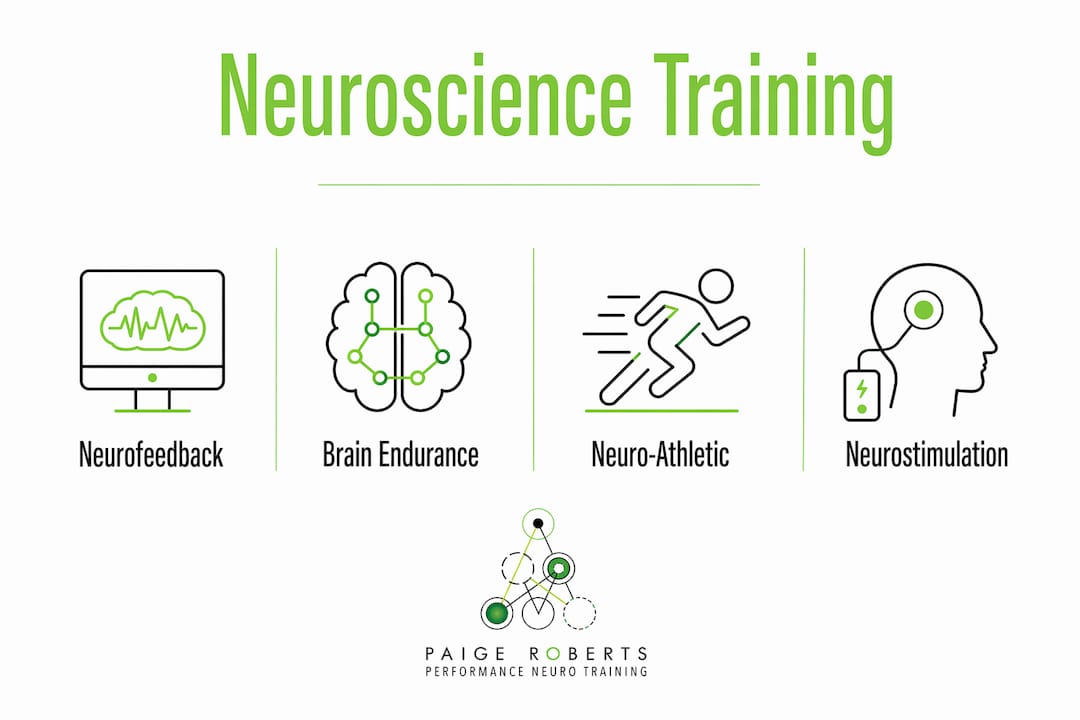
Neurostimulation techniques, including transcranial direct current stimulation (tDCS), apply low-level electrical currents to specific brain regions to modulate excitability. These tools are still largely experimental in sport contexts and require clinical oversight.
Pro Tip: When selecting a neuroscience training method, match the tool to the outcome. Use neurofeedback for anxiety and focus, BET for fatigue tolerance, and NAT for immediate pre-game readiness. Mixing all three without a clear goal produces noise, not results.
What scientific evidence supports neuroscience based learning in sport?
The evidence base for neuroscience-based learning in sport is growing fast, but it is not uniform. The strongest findings come from BET and psychological interventions. Neurofeedback shows real promise with important caveats.
"A 2026 meta-analysis on golf putting neurofeedback found a strong overall effect but reported very high heterogeneity (I²=94%), meaning outcomes varied dramatically depending on protocol details like electrode placement and frequency band targeted." — Effects of EEG neurofeedback on golf putting
That heterogeneity is the critical finding. Targeting the Cz electrode site with SMR produced positive results. Targeting Mu or theta frequencies produced negative effects in the same population. The method works, but the wrong protocol can actively hurt performance. Coaches must treat neurofeedback as a precision instrument, not a general wellness tool.
BET evidence is more consistent. Systematic reviews confirm that combining Stroop and Go-No-Go tasks with physical training over multiple weeks improves both endurance performance and cognitive output under fatigue. The mechanism is neurophysiological. BET trains the brain's effort-regulation networks directly, which is why the gains transfer to competition settings.
For anxiety reduction, the Mindfulness-Acceptance-Commitment (MAC) framework has the strongest data. A meta-analysis of 46 trials found MAC significantly reduced competitive anxiety with a large effect size (SMD of 1.33). That effect size is clinically meaningful. It means athletes who complete MAC-based programs experience anxiety reductions comparable to pharmacological interventions, without the side effects.
| Method | Primary Benefit | Evidence Strength | Key Limitation |
|---|---|---|---|
| Neurofeedback (EEG) | Focus, anxiety reduction | Moderate | High protocol variability |
| Brain Endurance Training | Fatigue tolerance, endurance | Strong | Requires precise task sequencing |
| Neuro-Athletic Training | Immediate readiness | Moderate | Effects last ~30 minutes |
| MAC Framework | Competitive anxiety | Strong | Requires trained facilitator |
How does neuroscience training address mental obstacles in athletes?
Mental obstacles in athletes, including panic, performance anxiety, and trauma responses, are not psychological weaknesses. They are nervous system states. That distinction changes everything about how you train them.
Neuroscience-based approaches target the specific neural networks driving these states rather than asking athletes to think their way out of them. Here is how each major obstacle maps to a training intervention:
- Performance anxiety: Neurofeedback targeting alpha and SMR bands reduces the hyperarousal states that trigger anxiety. The athlete learns to recognize and shift their brainwave state before competition, not just manage symptoms after they appear.
- Mental fatigue: BET directly trains the prefrontal cortex to sustain decision-making quality under cognitive load. Athletes who complete BET protocols show improved effort tolerance in late-game situations where untrained athletes typically decline.
- Trauma responses and mental blocks: Nervous system reprogramming approaches, including Alpha Imprinting techniques, target the autonomic patterns that lock athletes into freeze or avoidance states following injury or high-stress events.
- Competitive anxiety: MAC-based interventions reduce competitive anxiety with measurable effect sizes, making them a first-line tool for coaches working with athletes in high-pressure environments.
The MAC framework is particularly compatible with neuroscience-based training because it targets the same neurocognitive mechanisms. Acceptance-based techniques reduce the brain's threat-detection response, which directly lowers cortisol and sympathetic nervous system activation. That is not a metaphor. It is a measurable physiological change.
Pro Tip: For athletes recovering from injury, address the nervous system first before returning to full physical training. A body that is physically healed but neurologically stuck in a threat state will underperform and re-injure. Mental reprogramming after injury is not optional. It is part of the return-to-play protocol.
What are best practices for coaches applying neuroscience techniques?
Practical application of neuroscience techniques requires structure, sequencing, and ongoing evaluation. The following steps reflect what the research and real-world programs like the UK's RAF DELTA project have demonstrated works at scale.
- Educate coaches before athletes. The RAF DELTA program trained 1,200+ personnel by prioritizing instructor education first. Coaches who understand neuroscience principles apply them consistently. Coaches who do not will undermine even well-designed protocols.
- Assess individual baselines. Neurofeedback protocol efficacy depends on each athlete's baseline brainwave profile. A protocol that works for one athlete can produce negative effects in another. Baseline EEG assessment is not optional.
- Sequence cognitive and physical tasks deliberately. BET requires precise task sequencing relative to physical exercise. Cognitive tasks placed before physical work train pre-fatigue decision-making. Tasks placed during physical work train fatigue tolerance. The order determines the adaptation.
- Distinguish readiness from adaptation goals. NAT protocols produce acute sensory-motor improvements lasting approximately 30 minutes. Use them pre-competition for readiness. Use neurofeedback and BET in training blocks for lasting adaptation.
- Evaluate and adjust continuously. High heterogeneity in neurofeedback outcomes means coaches must track results and adjust protocols. A program that is not being measured is not being managed.
One common pitfall is treating neuroscience-based training as a one-size-fits-all add-on. The ethical boundaries of neuroscience coaching are clear: these methods support performance and well-being but do not replace clinical mental health care. Coaches who encounter athletes with clinical anxiety, PTSD, or trauma histories should refer to qualified practitioners before applying neuroscience training protocols independently.
Why i think most coaches are still missing the point on brain training
Most coaches I work with come in thinking neuroscience-based training means adding a meditation app or a breathing drill before practice. That misses the point entirely. The brain is not a soft add-on to physical training. It is the control system. Everything the body does runs through it.
What I have seen consistently at Robertsneurotraining is that athletes who plateau physically are almost always limited neurologically. Their nervous systems are stuck in patterns formed during past injuries, high-pressure failures, or chronic stress. No amount of physical conditioning breaks those patterns. You have to go to the source.
The research confirms this, but the research also shows that protocol precision matters enormously. The golf putting neurofeedback data with 94% heterogeneity is not a reason to avoid neurofeedback. It is a reason to stop treating it casually. The coaches who get results are the ones who assess first, design specifically, and measure continuously.
My honest view is that the field is at an inflection point. The evidence is strong enough to act on. The tools are accessible enough to use. What is still missing in most programs is the education and the discipline to apply these methods with the rigor they require. That is the gap Robertsneurotraining was built to close.
— Paige
How Robertsneurotraining can help you train your brain for performance
Athletes and coaches ready to move beyond guesswork in mental performance training have a direct path forward with Robertsneurotraining.
Robertsneurotraining, led by Dr. Paige Roberts, applies neuroscience-informed methods including the proprietary Alpha Imprinting protocol to help athletes clear mental blocks, reduce performance anxiety, and achieve consistent flow states in competition. The program serves athletes from youth levels through professional major leagues, with documented results from Olympic Medalists. Whether you are recovering from a sports injury, working through a mental block, or building a team mental performance program, explore neuroscience-informed coaching at Robertsneurotraining to find the right fit for your goals.
Key takeaways
Neuroscience-based training works because it targets the brain's actual control systems, not just the symptoms of underperformance.
| Point | Details |
|---|---|
| Definition is precise | Neuroscience-based training targets neuroplasticity and nervous system regulation, not just mental habits. |
| Method selection matters | Match the tool to the goal: neurofeedback for focus, BET for fatigue tolerance, NAT for pre-game readiness. |
| Protocol details determine outcomes | EEG neurofeedback studies show 94% heterogeneity, meaning wrong protocols can harm performance. |
| Mental obstacles are nervous system states | Anxiety, trauma responses, and mental blocks require nervous system intervention, not willpower. |
| Coach education scales results | The RAF DELTA program proved that training instructors first produces consistent, organization-wide gains. |
FAQ
What is neuroscience based training in simple terms?
Neuroscience-based training is physical and mental skill development designed around how the brain learns and adapts. It uses tools like EEG neurofeedback, brain endurance protocols, and sensory-motor exercises to produce measurable changes in nervous system function.
How does brain endurance training differ from regular mental training?
Brain endurance training combines cognitively demanding tasks like Stroop tests with physical exercise to train the prefrontal cortex's ability to sustain effort under fatigue. Standard mental training typically uses psychological strategies without targeting the underlying neural networks directly.
How long do the benefits of neuro-athletic training last?
Single-session neuro-athletic training produces acute sensory-motor improvements lasting approximately 30 minutes post-session. Long-term adaptation requires repeated sessions within a structured training block.
Can neuroscience training reduce competitive anxiety?
Yes. A meta-analysis of 46 trials found that MAC-based psychological interventions, which target the same neurocognitive mechanisms as neuroscience training, reduced competitive anxiety with a large effect size (SMD of 1.33).
Is neuroscience based training safe for all athletes?
Neuroscience-based training methods are generally safe when applied by trained practitioners. Coaches should not use these protocols as substitutes for clinical mental health care, particularly with athletes who have trauma histories or diagnosed anxiety disorders.