
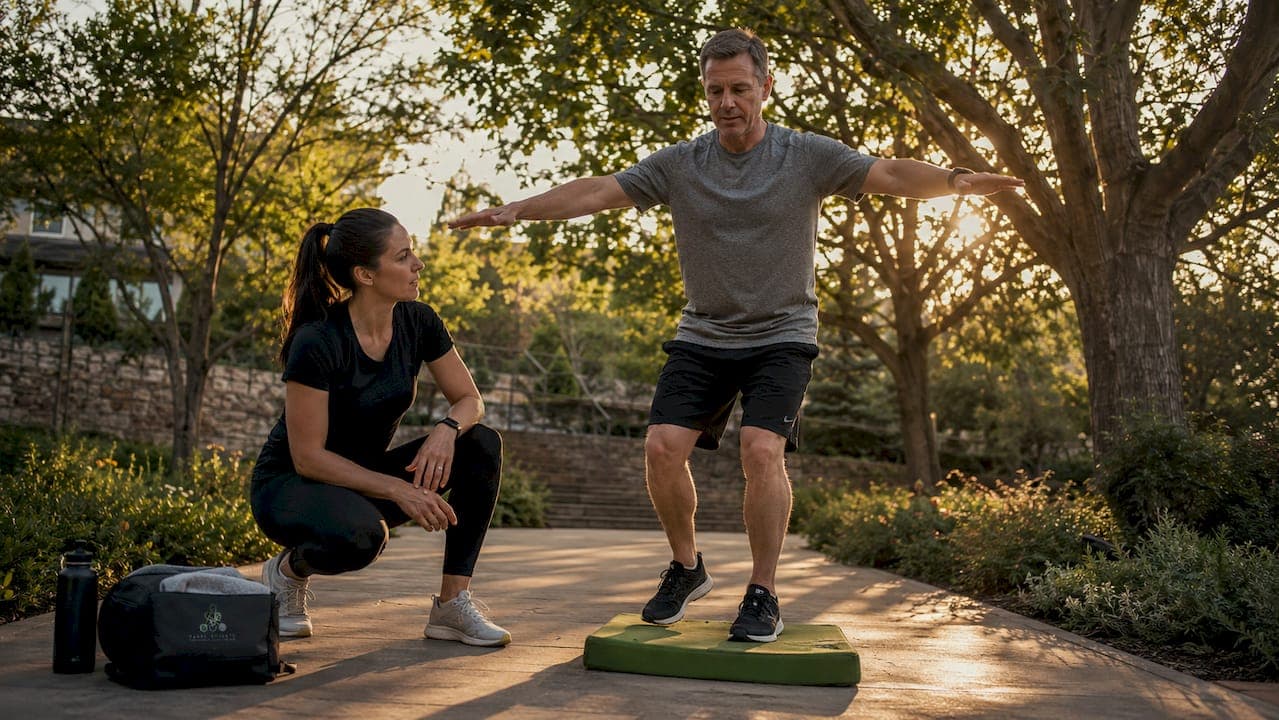
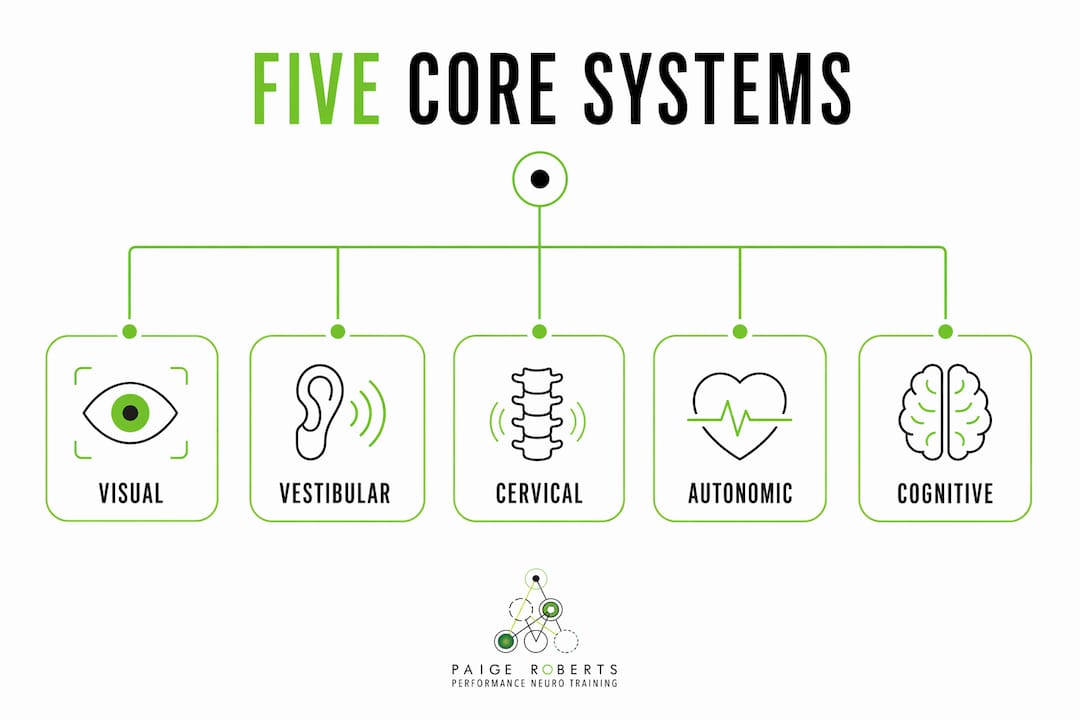
Nervous system retraining is defined as a targeted rehabilitation process that recalibrates disrupted neurological systems after a concussion, going well beyond passive rest to restore real function. The informal phrase "nervous system retraining concussion explained" describes what clinicians formally call systems-based concussion rehabilitation. This approach targets five core physiological and cognitive systems: visual, vestibular, cervical, autonomic, and cognitive. Each system interacts with the others, which is why persistent symptoms stem from multiple interacting systems rather than a single problem. Treating the brain as a network, not a collection of isolated complaints, is the foundation of effective recovery.
What are the five core systems targeted in nervous system retraining after concussion?
Nervous system retraining targets five physiological and cognitive systems: visual, vestibular, cervical, autonomic, and cognitive. Each system plays a distinct role in how you feel, move, and think after a head injury. Understanding what each one does helps you make sense of symptoms that might otherwise seem random or unrelated.
Visual system
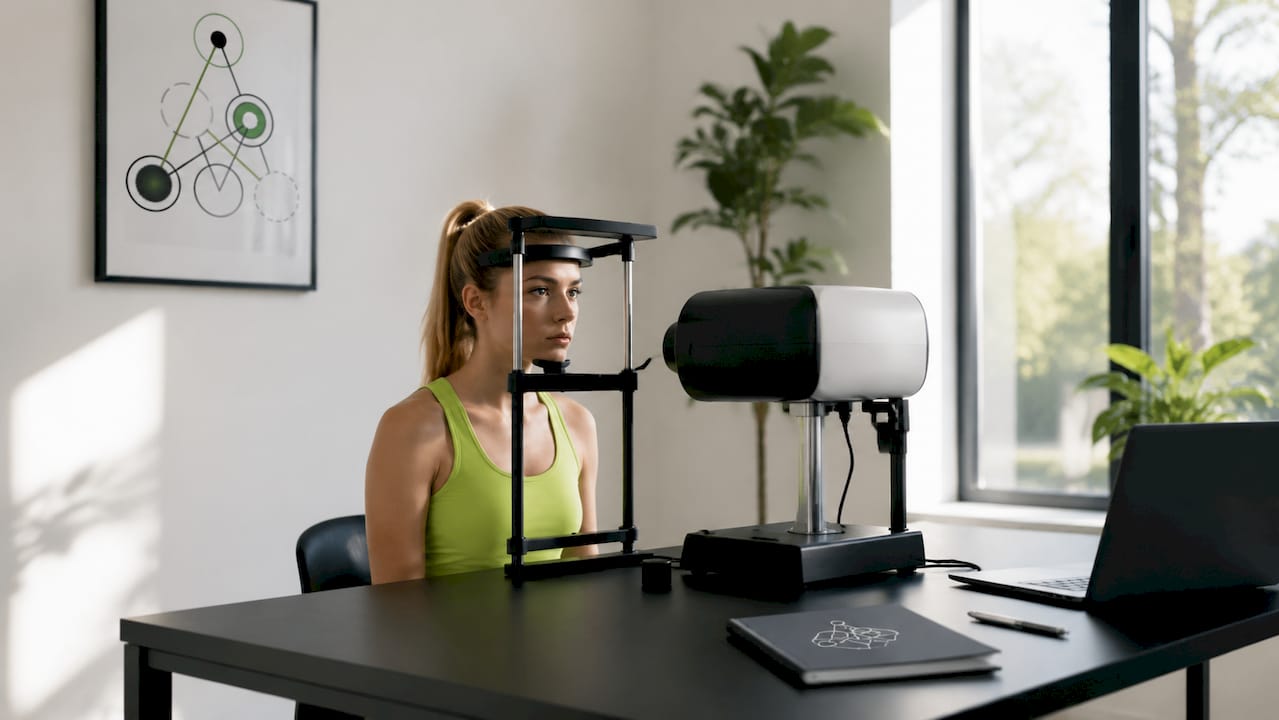
The visual system controls eye tracking, focus, and the ability to shift gaze quickly. After a concussion, many people struggle to read, use screens, or follow moving objects without triggering headaches or dizziness. These are signs of disrupted oculomotor function, not eye damage. Targeted exercises that practice smooth pursuit, saccades, and near-to-far focus shifts retrain the brain to process visual information accurately again.
Vestibular system
The vestibular system governs balance and spatial orientation. Concussion frequently disrupts the signals between the inner ear and the brain, producing dizziness, nausea, and a feeling of unsteadiness. Vestibular habituation training uses controlled exposure to movements that provoke mild symptoms, gradually teaching the brain to recalibrate its balance signals. Avoiding all movement actually slows this recalibration.
Cervical spine
The neck is often overlooked in concussion recovery, but cervical irritability directly amplifies headaches, dizziness, and cognitive fog. The cervical spine houses sensory receptors that feed position and movement data to the brain. When those receptors are disrupted by whiplash-type forces, the brain receives conflicting signals. Manual therapy and targeted neck mobilization reduce this interference and are a standard part of multi-system sports injury recovery.
Autonomic nervous system
The autonomic nervous system regulates heart rate, blood pressure, breathing, and activity tolerance. Concussion frequently shifts this system into a state of chronic dysregulation, making physical or mental exertion feel disproportionately exhausting. Heart-rate-guided aerobic exercise and breathing techniques address this directly. The parasympathetic nervous system lowers stress responses, and practices that stimulate vagal tone, such as box breathing, reduce sympathetic overactivity and build emotional resilience.
Cognitive system
Attention, memory, and processing speed all take a hit after concussion. The cognitive system does not operate in isolation. When the visual and vestibular systems are misfiring, cognitive load increases because the brain is working harder just to maintain basic orientation. Cognitive retraining exercises, pacing strategies, and gradual return to mental demands all help restore processing capacity without overwhelming a still-sensitive system.
The overlap among these five systems explains why single-symptom treatments often fall short. A person with dizziness may actually need cervical, vestibular, and autonomic work simultaneously. Treating the nervous system as a network is what separates systems-based rehabilitation from generic rest-and-wait approaches.
How does neuroplasticity drive recovery after a concussion?
Neuroplasticity is the brain's ability to reorganize itself by forming new neural connections in response to experience and targeted input. After a concussion, this capacity is the engine of recovery. Early after concussion, the brain is more malleable to change, but targeted treatment can achieve improvements even with long-term symptoms. That means recovery is not a fixed window. It is a process that responds to the right kind of input at any stage.
The most important shift in concussion science over the past decade is the move away from prolonged rest. Rest beyond 24–48 hours can prolong recovery by increasing brain hypersensitivity. Graded exposure, meaning intentional engagement with triggers at manageable doses, retrains nervous system tolerance instead of reinforcing avoidance.
Effective neuroplasticity-based rehabilitation follows four principles:
- Stimulate the affected network. Exercises must target the specific systems disrupted, not just general wellness activities.
- Repeat the load. Consistent, repeated practice is what drives structural change in neural pathways.
- Adjust intensity. Sessions should stay just below the symptom threshold, not push through pain.
- Increase tolerance gradually. Each week, the goal is a slightly higher capacity, not a dramatic leap.
Pro Tip: Track your symptom level on a 0–10 scale before and after each session. If symptoms spike more than 2 points and stay elevated for over an hour, the load was too high. Reduce intensity the next day, not the next week.
True nervous system recovery requires regulating and restoring capacity before progressing to intense activities or performance goals. Skipping this foundation is the most common reason people plateau in recovery.
What practical techniques are used in concussion rehabilitation?
Knowing the theory matters, but the techniques are where recovery actually happens. The following interventions are used in systems-based concussion rehabilitation, often in combination.
-
Eye tracking and accommodation exercises. Smooth pursuit drills, saccade training, and near-to-far focus shifts retrain oculomotor control. These are typically done for 5–10 minutes daily, starting with slow, controlled movements and progressing to faster, more complex patterns.
-
Vestibular habituation training. Head movements in specific planes, gaze stabilization exercises, and balance challenges on unstable surfaces gradually reduce dizziness. The goal is controlled exposure, not avoidance.
-
Neck mobilization and manual therapy. A clinician trained in cervical assessment identifies restricted segments and uses hands-on techniques to restore normal movement. This directly reduces headache frequency and dizziness driven by cervical dysfunction.
-
Resonance breathing and autonomic regulation. Resonance breathing is an effective non-pharmacological rehabilitation tool, with low-intensity aerobic exercise recommended after 24–72 hours of initial rest. Twenty-minute sessions at 70% of maximum heart rate help recalibrate neuro-autonomic function. Box breathing (inhale 4 counts, hold 4, exhale 4, hold 4) activates the parasympathetic system and reduces the chronic fight-or-flight state common after concussion.
-
Sub-symptom threshold aerobic exercise. Heart-rate-guided walking or cycling keeps exertion below the point where symptoms worsen. This builds cardiovascular and autonomic resilience without triggering setbacks.
-
Cognitive training. Attention exercises, working memory tasks, and processing speed drills are introduced gradually. Pacing, meaning planned rest breaks during mental tasks, prevents cognitive overload and supports consistent progress.
-
Symptom monitoring and pacing. Keeping a daily log of symptoms, activity levels, and sleep quality gives both the patient and clinician a clear picture of what is working. Pacing prevents the boom-and-bust cycle that derails many recoveries.
Pro Tip: Do not combine multiple new exercises on the same day. Introduce one technique at a time so you can identify which intervention is helping and which is triggering symptoms.
The neuroscience principles behind concussion rehabilitation confirm that combining body-based and cognitive interventions produces better outcomes than either approach alone. Cognitive therapy alone often plateaus because shallow breathing and tense posture require targeted body interventions for lasting recovery.
How can you monitor progress during concussion rehabilitation?
Most people recover from concussion within 7–14 days, but persistent symptoms beyond that window signal the need for specialized, systems-based intervention. Knowing what to track and when to escalate care makes a significant difference in long-term outcomes.
Signs that warrant specialist reassessment
- Symptoms that worsen rather than plateau after graded activity
- Dizziness or nausea that persists more than two weeks post-injury
- Significant heart rate spikes with minimal exertion
- Sleep disruption that does not improve with basic sleep hygiene
- Cognitive fog that interferes with work or school despite pacing
What to track week by week
A simple symptom journal works well. Record your top three symptoms each morning on a 0–10 scale, note your activity level for the day, and flag any triggers. After two weeks, patterns emerge. You will see which activities consistently spike symptoms and which ones your system tolerates well. This data guides your clinician's decisions about when to progress and when to pull back.
The role of the nervous system in recovery means that autonomic dysregulation often shows up as fatigue, mood shifts, or sleep problems before it shows up as obvious physical symptoms. Tracking these secondary signals catches problems early.
When to slow down
Progression should pause when any of the following occur: symptoms spike more than 2 points above baseline and stay elevated for over 24 hours, sleep quality drops sharply after a new exercise is introduced, or anxiety or emotional reactivity increases noticeably. These are signals that the nervous system needs more time at the current load before advancing.
Multidisciplinary care, meaning a team that includes a physiotherapist, neurologist, and a nervous system specialist, produces the best results for persistent concussion symptoms. No single provider can address all five systems with equal depth. The neurological training benefits post-concussion are clearest when the rehabilitation plan is coordinated across disciplines.
Key Takeaways
Systems-based nervous system retraining is the most effective approach to concussion recovery because it targets all five disrupted systems simultaneously rather than treating symptoms in isolation.
| Point | Details |
|---|---|
| Five systems drive recovery | Visual, vestibular, cervical, autonomic, and cognitive systems all require targeted retraining after concussion. |
| Prolonged rest slows healing | Rest beyond 24–48 hours increases brain hypersensitivity; graded exposure rebuilds tolerance faster. |
| Neuroplasticity works at any stage | Targeted input drives neural reorganization even in long-term or persistent concussion cases. |
| Track symptoms weekly | A daily 0–10 symptom log reveals patterns and guides safe progression through rehabilitation. |
| Multidisciplinary care is the standard | Coordinating physiotherapy, neurology, and nervous system specialists produces the best outcomes. |
What I've learned from treating the nervous system as a whole
Most people come to me after months of chasing individual symptoms. They have seen a specialist for dizziness, another for headaches, and a third for cognitive fog. Each appointment addresses one piece, but nobody is looking at the full picture. That is the core problem with how concussion care is often delivered.
What I have seen consistently is that the nervous system does not recover in parts. When the autonomic system is stuck in overdrive, the vestibular system cannot recalibrate properly. When the cervical spine is irritated, every cognitive task costs more energy than it should. These systems talk to each other constantly. Treating them as separate problems is like trying to fix a car by replacing one tire while ignoring the alignment.
The other thing I want to be direct about: rest is not the answer beyond the first day or two. I understand why people default to it. Symptoms are frightening, and doing less feels safer. But graded sensory exposure promotes habituation far better than avoidance. The nervous system learns safety through experience, not through withdrawal from it.
My strongest advice is to resist the urge to measure recovery by symptom-free days alone. Real progress shows up as increased tolerance, better sleep, and a wider window of activity before symptoms appear. Those are the metrics that matter. Expect a non-linear path, and build your plan around the nervous system's actual capacity, not the timeline you wish you were on.
— Paige
Robertsneurotraining's approach to nervous system recovery
Robertsneurotraining, led by Dr. Paige Roberts, offers a neuroscience-based program built specifically around the five-system framework described in this article. The program uses Alpha Imprinting to reprogram nervous system patterns that block recovery and performance, addressing the autonomic dysregulation and cognitive disruption that standard rehabilitation often misses.
Diagnostic tools including QEEG brain scans provide a precise baseline of brain activity, allowing the program to target the specific networks most affected by your concussion. Every plan is built around your individual symptom profile, not a generic protocol. If you are managing persistent concussion symptoms and want a personalized, multi-system approach, the full range of neurotraining services is available to review and book.
FAQ
What is nervous system retraining for concussion?
Nervous system retraining for concussion is a systems-based rehabilitation approach that uses targeted exercises to recalibrate the visual, vestibular, cervical, autonomic, and cognitive systems disrupted by a head injury. It goes beyond passive rest to actively restore neurological function through graded exposure and neuroplasticity principles.
How long does concussion recovery take with retraining?
Most people recover within 7–14 days, but those with persistent symptoms benefit from specialized retraining that can produce improvements even months or years after the initial injury. Recovery timelines depend on which systems are affected and how consistently the rehabilitation protocol is followed.
Why is prolonged rest harmful after a concussion?
Rest beyond 24–48 hours increases brain hypersensitivity and slows recovery by reinforcing avoidance rather than rebuilding tolerance. Graded exposure to manageable triggers retrains the nervous system to handle sensory and cognitive input without triggering symptoms.
What does autonomic dysregulation feel like after a concussion?
Autonomic dysregulation typically presents as disproportionate fatigue, heart rate spikes with minimal exertion, sleep disruption, mood instability, and difficulty tolerating light or noise. These symptoms reflect the nervous system's inability to regulate its own stress response after injury.
Can breathing exercises really help concussion recovery?
Resonance breathing and box breathing are evidence-backed, non-pharmacological tools that stimulate vagal tone, reduce sympathetic overactivity, and help recalibrate neuro-autonomic function. They are most effective when combined with heart-rate-guided aerobic exercise and other systems-based interventions.