
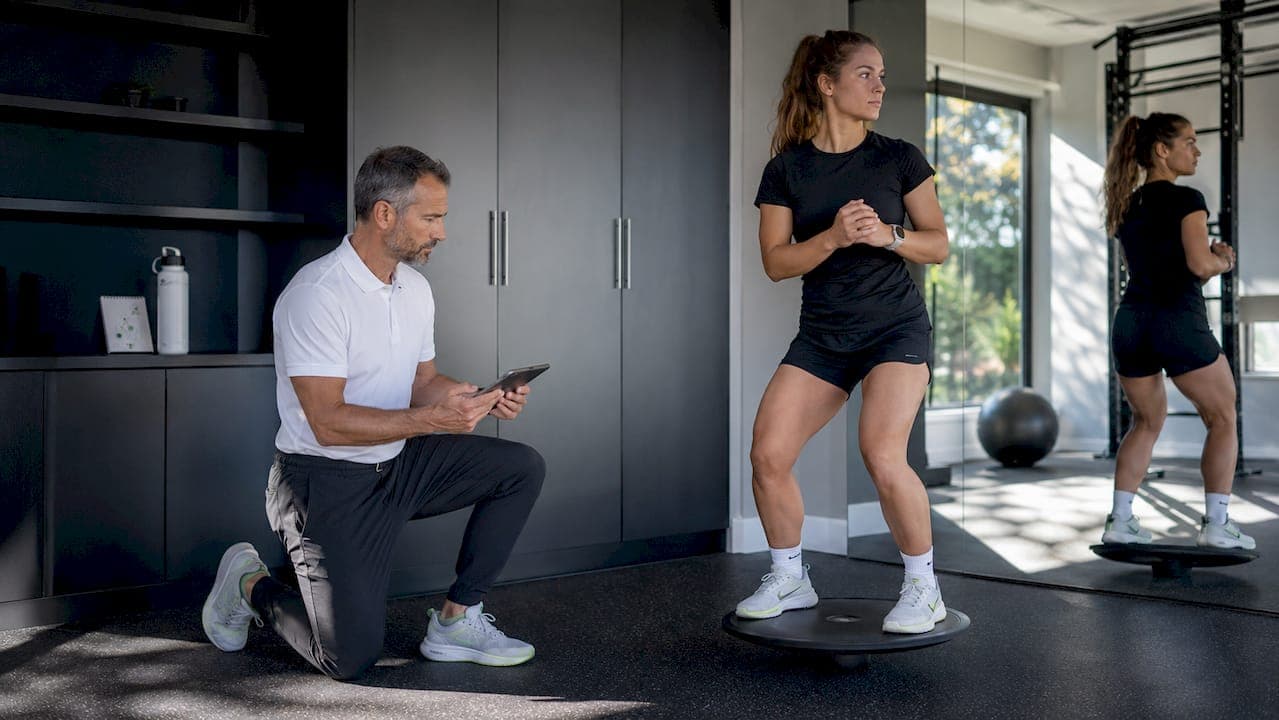
Neurological training post-concussion is defined as active, structured rehabilitation that targets the brain's own repair mechanisms to restore cognitive function, balance, and emotional control after a head injury. The benefits of neurological training post-concussion go far beyond symptom relief. Neuroplasticity drives the entire process, rewiring affected brain networks through targeted stimulation of the visual, vestibular, and autonomic systems. Athletes who commit to this approach recover faster, return to sport stronger, and reduce the risk of long-term cognitive decline. Robertsneurotraining, led by Dr. Paige Roberts, applies this science directly to athletic performance recovery through neuroscience-based nervous system training.
1. Benefits of neurological training post-concussion start with faster recovery
Active rehabilitation enables most athletes over 18 to return to baseline within 10–14 days, with neurological benefits lasting months or years post-injury. That timeline is dramatically shorter than what prolonged rest produces. The key is starting structured neurological exercises within 24–48 hours of injury, once acute symptoms stabilize. Early activation of the brain's repair pathways prevents the neural stagnation that delays recovery.
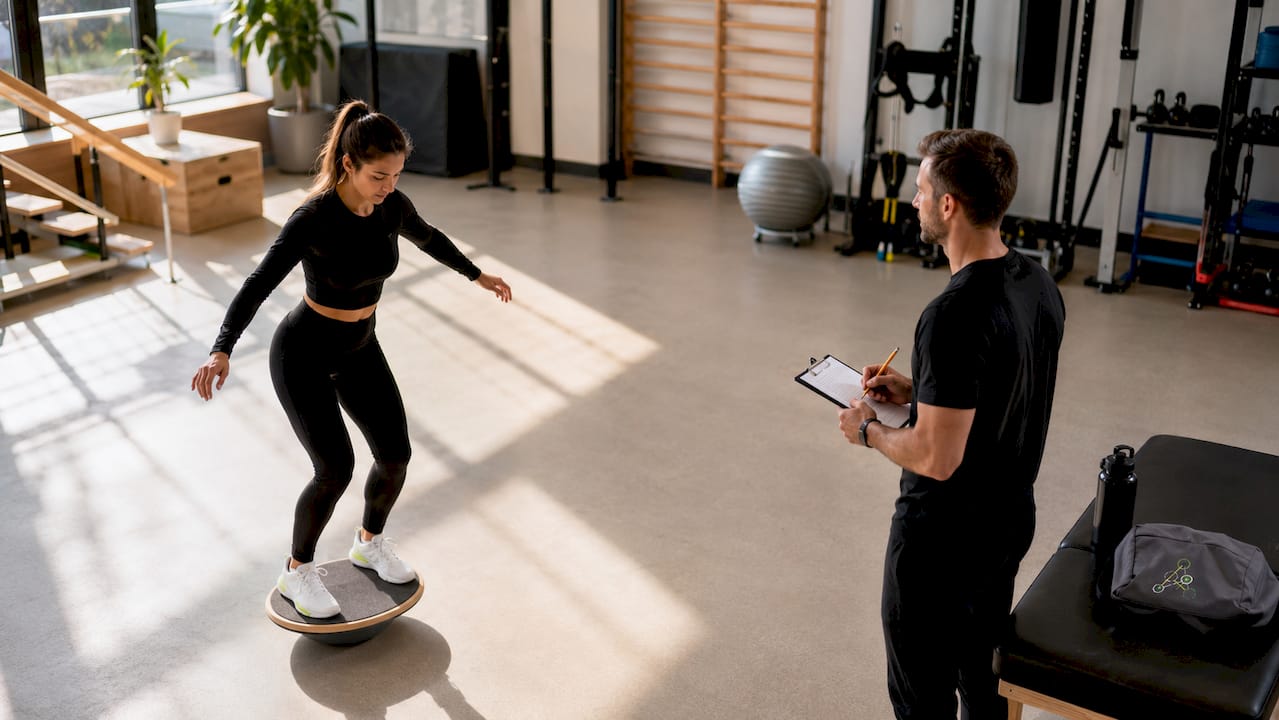
Sustained rehabilitative outcomes have been observed in follow-up scans averaging 8.8 months post-treatment. That means the gains from active training are not temporary. Athletes who engage in guided neurological rehab build lasting functional improvements, not just short-term symptom suppression.
2. Neuroplasticity is the engine behind every recovery gain
Neuroplasticity is the brain's ability to form new neural connections in response to targeted stimulation. After a concussion, disrupted networks in the vestibular, visual, and prefrontal regions need active input to rewire. Passive rest does not provide that input. Targeted neurological exercises stimulate these systems directly, building tolerance and restoring function progressively.
This is why the importance of brain training after concussion cannot be overstated. Every structured drill, whether it is a saccade exercise, a balance task, or a breathing protocol, sends a signal to the brain that accelerates repair. The brain responds to demand. Give it the right demand, and it heals.
3. What are the top neurological training methods used post-concussion?
The most effective post-concussion training methods target specific disrupted systems rather than general fitness. Each method below addresses a distinct neurological deficit.
- Digital cognitive training: 45-minute digital gaming sessions, five days per week for six weeks, produce significantly greater gains in memory and attention than traditional gaming. Structured brain games force the prefrontal cortex and hippocampus to work under controlled load.
- Vestibular and balance exercises: Gaze stabilization drills and single-leg balance tasks retrain the inner ear and cerebellum. These directly reduce dizziness and restore coordination.
- Respiratory modulation: Resonance breathing produces statistically significant reductions in post-concussion symptoms, targeting both emotional and somatic domains. It works by regulating the autonomic nervous system, which is frequently dysregulated after head injury.
- Eye movement exercises: Saccades and smooth pursuit drills rebuild visual tracking pathways. Many athletes experience blurred vision or tracking delays post-concussion that go unaddressed without these exercises.
- Sub-threshold aerobic exercise: Light aerobic activity below the symptom threshold improves cerebral blood flow and autonomic function without triggering setbacks.
- Sport-specific neural drills: Integrating sport-relevant movements into rehab stimulates the exact neural pathways an athlete uses in competition, accelerating functional return.
Pro Tip: Start vestibular exercises in a seated position before progressing to standing. Rushing this progression is the most common reason athletes experience symptom flares during rehab.
4. How neurological training improves cognitive and emotional recovery
Cognitive therapy for concussions works because it forces the brain to process information under structured load, which rebuilds attention networks and working memory. Athletes recovering from concussion frequently report brain fog, slow reaction time, and difficulty concentrating. These are not psychological weaknesses. They are measurable deficits in prefrontal and hippocampal function that respond directly to neurological training.
"Active stimulation of vision, vestibular, and autonomic systems builds tolerance and improves symptoms far more effectively than rest alone." — Clinical consensus on functional neurology in concussion rehabilitation
Emotional recovery follows a similar path. Resonance breathing and autonomic regulation training reduce anxiety and depression symptoms by restoring heart rate variability and calming the sympathetic nervous system. Athletes who combine cognitive and autonomic training report faster mood stabilization and reduced performance anxiety. The benefits of this approach persist long after the acute injury phase ends.
Multidisciplinary programs that combine cognitive exercises, breathing protocols, and physical rehab produce the strongest outcomes. No single method addresses every disrupted system. The combination is what drives full recovery.
5. Rest versus active neurological training: which produces better outcomes?
| Factor | Prolonged rest | Active neurological training |
|---|---|---|
| Recovery timeline | Extended, often weeks to months | 10–14 days for most athletes over 18 |
| Neurovascular coupling | Delays restoration | Accelerates restoration |
| Symptom trajectory | Symptoms may persist or worsen | Statistically significant reductions |
| Cognitive function | Minimal improvement | Measurable gains in memory and attention |
| Return to sport | Delayed, often without objective clearance | Faster, guided by objective biomarkers |
| Risk of prolonged symptoms | Higher with total isolation | Lower with guided progressive loading |
Prolonged rest delays recovery compared to active neurorehabilitation. Clinical consensus shifted away from total isolation years ago. The current standard recommends 24–48 hours of limited rest followed by gradual, symptom-guided active rehab. Athletes who follow the old "dark room rest" protocol often develop secondary issues including deconditioning, anxiety, and heightened symptom sensitivity.
Pro Tip: Track your symptoms on a 0–10 scale before and after each training session. If symptoms increase by more than 2 points and do not resolve within an hour, reduce intensity at the next session.
6. Technology and tools that make neurological training more effective
Functional neurocognitive imaging (fNCI) guides personalized neurological training and has demonstrated sustained recovery benefits in concussion rehabilitation. fNCI identifies which specific brain regions are underperforming, allowing clinicians to target training precisely rather than applying generic protocols. That precision is what separates modern concussion rehab from older approaches.
Traditional symptom reporting creates a performance ceiling that masks real deficits. Multimodal objective biomarkers, including fNCI and cognitive-motor testing, detect hidden impairments that athletes cannot self-report. This matters because athletes frequently underreport symptoms to return to play faster.
Key technology tools currently used in neurological training post-concussion include:
- Computerized cognitive testing (baseline and post-injury comparisons for attention, processing speed, and memory)
- Virtual reality vestibular training (recalibrates misaligned connectivity between vestibular-visual and default mode networks)
- Heart rate variability biofeedback (monitors autonomic regulation during respiratory training in real time)
- fNCI brain imaging (maps regional brain activation to guide and track rehab progress)
- Digital cognitive gaming platforms (structured, progressive cognitive load training for memory and attention)
VR-based training specifically helps recalibrate the misaligned brain connectivity between vestibular-visual and default mode networks that explains persistent post-concussion symptoms. This is one of the most significant recent advances in rehabilitation after head injury.
7. How athletes can integrate neurological training into their recovery routine
Starting neurological training after concussion requires a structured, progressive approach. Jumping into high-intensity drills too early causes symptom flares and sets recovery back. The right sequence matters as much as the exercises themselves.
- Week 1: Begin with sub-threshold aerobic activity (walking, light cycling) and seated vestibular exercises. Keep sessions under 20 minutes.
- Week 2: Add digital cognitive training sessions and standing balance drills. Monitor symptoms before and after each session.
- Week 3 onward: Introduce sport-specific neural drills, eye movement exercises, and resonance breathing protocols. Increase session duration gradually.
Personalized, sport-specific training yields faster functional recovery than generic brain exercises. A basketball player's rehab should include visual tracking drills relevant to court play. A soccer player's program should incorporate heading-related vestibular challenges at a safe, controlled intensity.
Autonomic training through resonance breathing fits into any daily routine. Five to ten minutes of paced breathing at the resonance frequency (typically 5–6 breaths per minute) reduces sympathetic overdrive and supports the nervous system's recovery between sessions.
Pro Tip: Do not skip the breathing component because it feels too simple. Autonomic dysregulation is one of the most underaddressed drivers of persistent post-concussion symptoms, and resonance breathing directly targets it.
Key takeaways
Neurological training post-concussion accelerates recovery by actively engaging neuroplasticity through targeted cognitive, vestibular, respiratory, and sport-specific exercises that outperform prolonged rest on every measurable outcome.
| Point | Details |
|---|---|
| Active rehab beats rest | Athletes return to baseline in 10–14 days with active training versus weeks or months with prolonged rest. |
| Neuroplasticity drives healing | Targeted exercises rewire disrupted brain networks in vision, vestibular, and autonomic systems. |
| Technology improves precision | fNCI and biofeedback tools detect hidden deficits and guide personalized training beyond symptom self-report. |
| Cognitive and emotional gains | Structured brain training improves memory, attention, and mood while reducing anxiety through autonomic regulation. |
| Sport-specific training wins | Personalizing drills to an athlete's sport yields faster functional recovery than generic protocols. |
What I've learned from working with athletes post-concussion
Most athletes I work with arrive believing their concussion is a waiting game. They were told to rest, avoid screens, and let time do the work. By the time they reach me, weeks or months have passed with little improvement, and their confidence in their own brain is shaken.
The uncomfortable truth is that passive rest is not neutral. It allows disrupted neural pathways to stay disrupted. The brain needs input to heal. Every day without targeted stimulation is a missed opportunity for neurological recovery.
What I have seen consistently is that athletes who commit to early, guided, progressive neurological training do not just recover. They come back sharper, more body-aware, and with a deeper understanding of how their nervous system works under pressure. That awareness becomes a competitive advantage. The athletes who go through this process with intention often perform better post-injury than they did before.
The key is individualization. Generic protocols produce generic results. When training maps to the specific disrupted systems and the specific demands of an athlete's sport, recovery accelerates and performance gains follow. That is not a theory. I have watched it happen with athletes across every level of competition.
— Paige
Robertsneurotraining programs for post-concussion athletes
Robertsneurotraining offers neuroscience-based programs built specifically for athletes recovering from concussion and sports-related head injuries.
Dr. Paige Roberts combines QEEG brain scans with targeted neurorehabilitation to identify exactly which brain systems need support. The Alpha Imprinting method reprograms the nervous system at the brainwave level, clearing performance anxiety and mental blocks that persist long after physical symptoms resolve. Athletes from Olympic medalists to professional league competitors have used these protocols to return to peak performance. Explore the full range of recovery services to find the right program for your recovery stage and sport.
FAQ
What are the main benefits of neurological training post-concussion?
Neurological training post-concussion improves memory, attention, balance, emotional regulation, and reaction time by activating neuroplasticity and restoring disrupted brain networks. Active training also reduces symptoms like dizziness, headaches, and anxiety faster than rest alone.
How soon after a concussion can athletes start neurological training?
Current clinical consensus recommends 24–48 hours of limited rest followed by gradual, symptom-guided active rehabilitation. Starting structured neurological exercises early prevents neural stagnation and accelerates recovery.
Is digital cognitive training effective for concussion recovery?
Yes. Structured digital gaming sessions produce significantly greater gains in memory and attention than traditional methods when completed consistently over six weeks. The key is progressive cognitive load, not passive screen time.
Why is prolonged rest no longer recommended after concussion?
Prolonged rest delays neurovascular coupling restoration and can worsen symptoms over time. Active neurological rehab, tailored to symptom tolerance, consistently produces faster and more durable recovery outcomes.
How does breathing training help with post-concussion symptoms?
Resonance breathing regulates the autonomic nervous system, which is frequently dysregulated after concussion. Clinical trials show statistically significant reductions in both emotional and somatic post-concussion symptoms with consistent respiratory modulation practice.