

The nervous system is the master regulator of recovery, controlling every process from tissue repair and inflammation to fear responses and mental resilience after injury or trauma. Clinicians and researchers now use the term autonomic regulation to describe how the nervous system manages healing at a biological level. Understanding the role of nervous system in recovery gives you direct insight into why some people heal faster, why stress slows progress, and what you can actually do about it. Neuroplasticity, the autonomic nervous system, and neurotrophic factors like BDNF are the three mechanisms that determine your recovery trajectory.
How the autonomic nervous system regulates recovery
The autonomic nervous system (ANS) has two branches that operate like a seesaw. The sympathetic nervous system (SNS) activates your fight-or-flight response. The parasympathetic nervous system (PNS) governs rest, digestion, and repair.
When you are injured or under stress, the SNS dominates. Your heart rate rises, inflammation increases, and your body prioritizes immediate survival over long-term repair. That response is useful in the short term. The problem is that recurrent sympathetic surges suppress neurotrophin signaling, promoting maladaptive synaptic pruning that works against healing. In plain terms, staying in stress mode actively damages the neural pathways your body needs to rebuild.
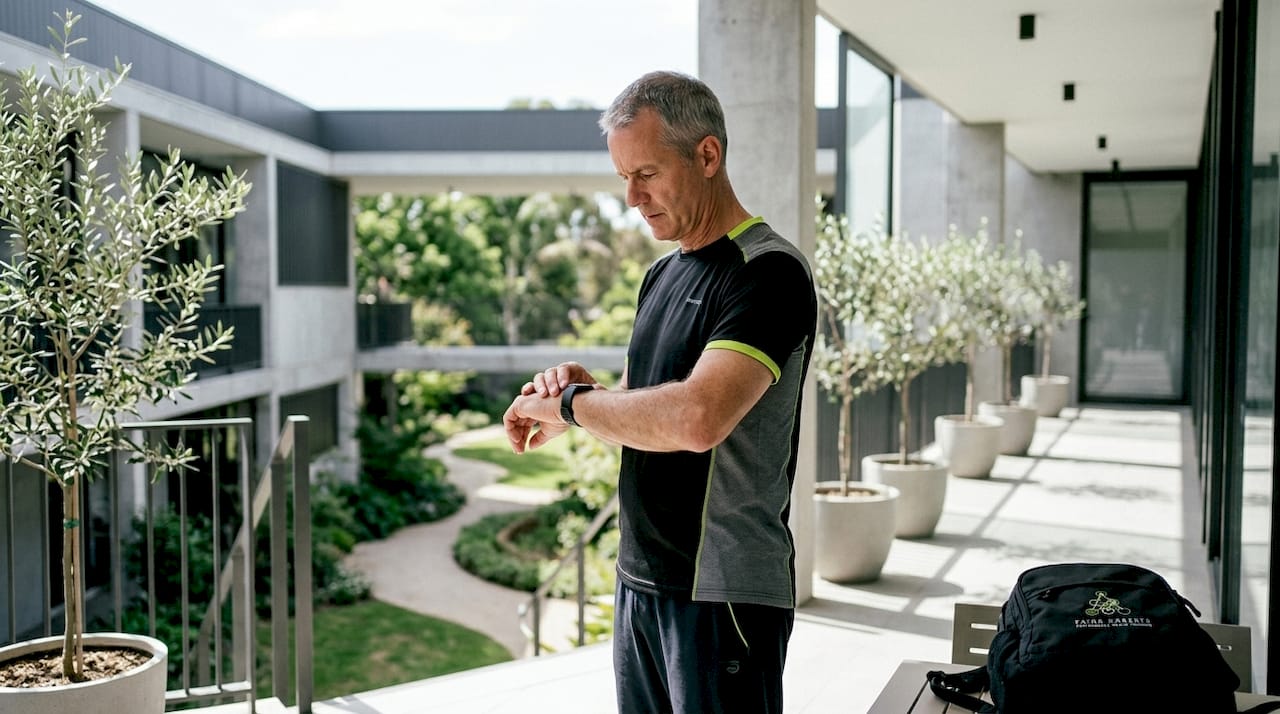
Parasympathetic flexibility is the key variable. When your PNS is active and responsive, it boosts neurotrophic pathways like BDNF-TrkB, which are essential for plasticity and regeneration. BDNF (brain-derived neurotrophic factor) and NGF (nerve growth factor) are proteins that literally grow and maintain neural connections. Without adequate PNS activation, your brain cannot produce enough of these proteins to support recovery.
Autonomic imbalance also affects heart rate variability (HRV), a measurable marker of nervous system flexibility. Low HRV correlates with poor recovery outcomes across both physical injury and psychological trauma. Techniques like HRV biofeedback give you a real-time window into your autonomic state.
Pro Tip: Track your HRV each morning before checking your phone. A consistent downward trend over three or more days signals that your nervous system is not recovering, even if you feel physically fine.
Key signs your ANS is stuck in sympathetic overdrive:
- Persistent muscle tension or jaw clenching
- Poor sleep quality despite physical fatigue
- Heightened anxiety or irritability during rehab
- Slow wound healing or recurring inflammation
- Difficulty concentrating on rehabilitation exercises
What is neuroplasticity's role in injury recovery?
Neuroplasticity is the brain's ability to reorganize its structure and function in response to experience, injury, or training. After a CNS injury, the brain does not simply wait to heal. It actively rewires. The question is whether that rewiring moves toward function or dysfunction.
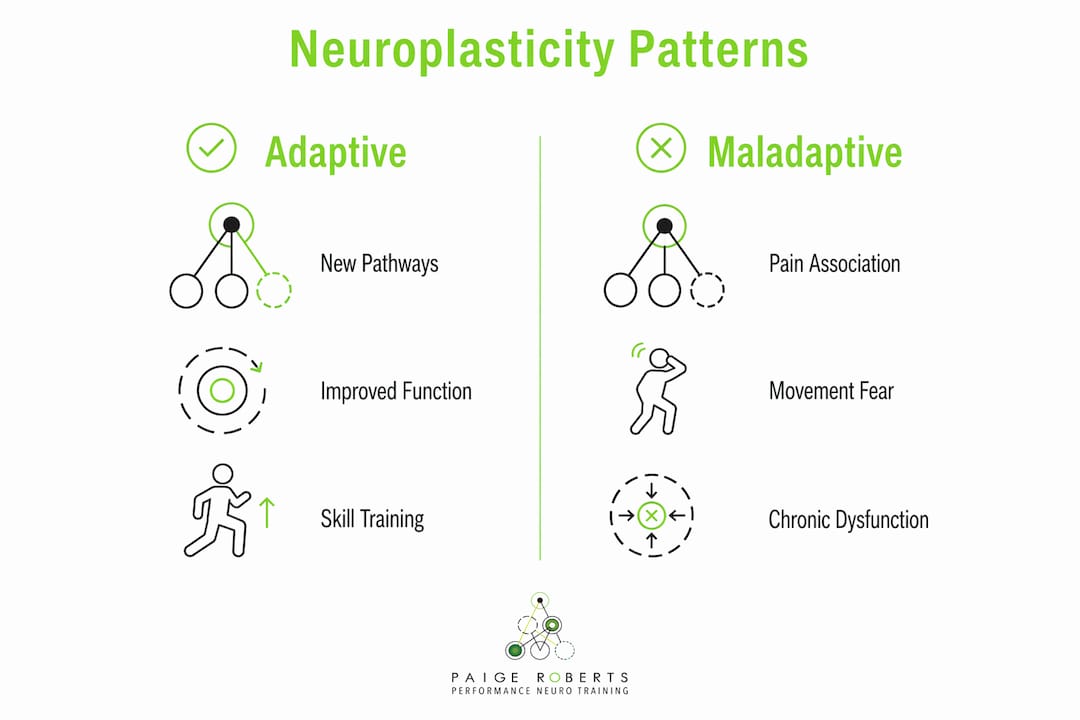
Research confirms that intensive skill-based training can induce structural brain changes even long after the initial injury. This means your window for meaningful recovery does not close as quickly as many people assume. Proteins like Scg2 play a documented role in corticospinal circuit reorganization, helping the brain reroute motor signals around damaged tissue.
The table below compares adaptive versus maladaptive neuroplasticity patterns common in injury recovery.
| Pattern | What it looks like | Recovery impact |
|---|---|---|
| Adaptive plasticity | New motor pathways form around injury site | Functional gains in movement and strength |
| Maladaptive fear response | Brain maps pain as a threat signal | Chronic pain, avoidance behavior, reduced mobility |
| Cortical remapping | Adjacent brain regions compensate for lost function | Partial to full restoration of lost skills |
| Synaptic pruning under stress | Stress hormones eliminate underused connections | Slowed recovery, reduced neural efficiency |
Maladaptive patterns are the hidden obstacle in many recoveries. When the brain repeatedly associates movement with pain or threat, it reinforces those neural circuits. The result is chronic pain, movement avoidance, and performance anxiety that persists long after the physical injury has healed. This is why nervous system reprogramming for athletes addresses more than the physical site of injury.
Rehabilitation techniques that promote adaptive plasticity include task-specific training, mirror therapy, and mental rehearsal. Each of these sends targeted signals to the brain that reinforce functional neural circuits. The goal is to give the nervous system a clear, repeated message: this movement is safe and worth maintaining.
What neuroscience-informed rehab strategies actually work?
Neuroscience-informed rehabilitation treats the nervous system as the primary target, not just the injury site. Three strategies consistently show results across clinical and sports recovery settings.
-
Graded exposure. Controlled reintroduction of feared movements rebuilds confidence and reduces anxiety by teaching the brain that movement is not dangerous. You start with low-threat versions of a movement and progressively increase intensity. This directly counters the maladaptive fear circuits that form after injury.
-
Pain neuroscience education (PNE). Reframing pain as a protective signal rather than a damage signal changes how the brain processes it. When you understand that pain is an output of the nervous system designed to protect you, not always a sign of ongoing harm, your brain becomes less reactive. This reduces the amplification of pain signals and improves rehab participation.
-
Neuromodulation and activity-based rehab. Tools like vagus nerve stimulation (VNS), aerobic exercise, and HRV biofeedback therapeutically harness autonomic tone to amplify activity-dependent plasticity. Aerobic exercise in particular raises BDNF levels, creating a biological window of enhanced neural adaptability immediately after the session.
-
Rehabilitation technology as neural perturbation. Robotics and virtual reality act as perturbations that shape neural circuits, biasing network activity toward functional recovery configurations. VR environments allow graded exposure in a controlled, low-threat setting that the nervous system can process without triggering full sympathetic activation.
-
Integrative emotional and cognitive support. Healing is optimized when retraining addresses emotional, cognitive, and social factors that impact fear, motivation, and confidence. Ignoring the psychological dimension of recovery leaves the most powerful lever untouched.
Pro Tip: Pair any physical rehab session with two minutes of slow diaphragmatic breathing beforehand. This activates the PNS before you begin, making your nervous system more receptive to the adaptive signals you are about to send it.
Daily habits that support nervous system regulation
The nervous system cannot distinguish well between true threats and daily stressors. Work deadlines, poor sleep, and social conflict all trigger sympathetic activation. During recovery, this matters more than most people realize because modern stressors keep the body in an 'on' state, preventing the parasympathetic repair mode your body needs.
Nervous system regulation sets the upstream context for all physical gains. Proper transition from high-alert to rest is as important for HRV and recovery as sleep duration itself. That means the quality of your downtime matters as much as the quantity.
Habits that genuinely shift your nervous system toward parasympathetic recovery:
- Diaphragmatic breathing: Slow, deep breaths activate the vagus nerve directly. A 4-7-8 breathing pattern (inhale 4 counts, hold 7, exhale 8) is one of the fastest ways to shift autonomic state.
- Cold-to-warm contrast exposure: Brief cold showers followed by warmth stimulate vagal tone and improve autonomic flexibility over time.
- Rhythmic movement: Walking, gentle yoga, and swimming communicate distinct signals to the nervous system that promote parasympathetic activation without adding stress load.
- Sleep hygiene: Elevated cortisol from chronic sympathetic activity worsens sleep and inflammation. Protecting sleep onset with a consistent wind-down routine directly reduces cortisol and supports tissue repair.
- Nutrition and hydration: Omega-3 fatty acids support neuroinflammation control. Magnesium supports the GABA system, which is the brain's primary inhibitory neurotransmitter and a key player in calming sympathetic activity.
The most common mistake in recovery is treating passive rest as recovery. Scrolling or zoning out does not shift nervous system state. Without deliberate transition between modes, the brain remains primed for threat, which impedes repair. Active recovery rituals that signal safety to the brain are what actually move the needle. This is a core principle behind nervous system preparation for peak performance at every level of sport and rehabilitation.
Key Takeaways
The nervous system is the upstream regulator of recovery, and shifting from sympathetic dominance to parasympathetic flexibility is the single most important variable in how fast and how fully you heal.
| Point | Details |
|---|---|
| Autonomic balance drives healing | Parasympathetic activation boosts BDNF and NGF, the proteins that rebuild neural connections. |
| Neuroplasticity stays open longer than expected | Skill-based training can reorganize brain circuits months after the original injury. |
| Maladaptive fear circuits block progress | Graded exposure and pain neuroscience education directly retrain threat-based neural patterns. |
| Passive rest is not recovery | Active rituals that signal safety to the brain are required to shift into parasympathetic repair mode. |
| Lifestyle factors are nervous system inputs | Sleep, breathing, nutrition, and rhythmic movement all directly regulate autonomic tone during recovery. |
Why I think we underestimate the nervous system in rehab
Most recovery programs treat the nervous system as a bystander. They focus on the tissue, the joint, the muscle. But after years of working with athletes at every level, from youth competitors to Olympic medalists, I have seen the same pattern repeat: the body heals, but the athlete does not return. The nervous system is still stuck in the injury.
What I have found is that the nervous system is not just involved in recovery. It is recovery. Every physical gain you make in rehab happens because your nervous system allows it. If your brain still maps a movement as dangerous, no amount of physical conditioning will override that signal. The fear circuit wins every time.
The work I do through Robertsneurotraining is built on this understanding. Alpha Imprinting targets the nervous system directly, reprogramming the threat responses that keep athletes locked in anxiety, avoidance, and underperformance. The athletes who see the fastest returns are not the ones who push hardest through pain. They are the ones who learn to create a safe internal environment where the nervous system can reorganize.
My honest advice: stop treating your nervous system like an obstacle to manage and start treating it like the primary system to train. When you do, healing involves nervous system retraining at every level, and the results reflect that shift.
— Paige
Train your nervous system with Robertsneurotraining
Recovery does not end when the physical injury heals. The nervous system patterns formed during injury, including fear responses, performance anxiety, and trauma loops, persist until they are directly addressed. Robertsneurotraining, led by Dr. Paige Roberts, uses a neuroscience-based approach to retrain those patterns at the source.
The Alpha Imprinting method targets the autonomic nervous system to clear mental blocks, reduce anxiety, and restore the state of flow that athletes need to perform. Whether you are recovering from a sports injury, processing past trauma, or working to rebuild confidence after setbacks, Robertsneurotraining offers a structured path back to full performance. Olympic medalists and professional athletes across major leagues have used this approach to achieve measurable gains. Explore nervous system optimization and find out what targeted neurotraining can do for your recovery.
FAQ
What is the role of the nervous system in recovery?
The nervous system regulates every biological process involved in healing, including inflammation, tissue repair, pain signaling, and neuroplasticity. Autonomic balance between the sympathetic and parasympathetic branches determines how efficiently those processes run.
How does stress slow down recovery?
Chronic sympathetic activation suppresses neurotrophic signaling, raises cortisol, worsens sleep, and keeps the brain in threat mode. All of these effects directly impair the tissue repair and neural reorganization that recovery depends on.
What is neuroplasticity and why does it matter for injury recovery?
Neuroplasticity is the brain's ability to reorganize its structure and connections in response to training or injury. Research shows that intensive skill-based training can drive structural brain changes even months after the initial injury, which means recovery windows stay open longer than most people expect.
Can breathing exercises actually help nervous system recovery?
Yes. Diaphragmatic breathing directly activates the vagus nerve, which is the primary pathway for parasympathetic activation. Consistent breathwork practice improves HRV and shifts the autonomic state toward the repair-permissive conditions the body needs to heal.
What makes neuroscience-informed rehab different from standard physical therapy?
Neuroscience-informed rehab treats the nervous system as the primary target, using graded exposure, pain education, and neuromodulation tools like HRV biofeedback and VNS to retrain maladaptive fear circuits and promote adaptive neural reorganization alongside physical recovery.