
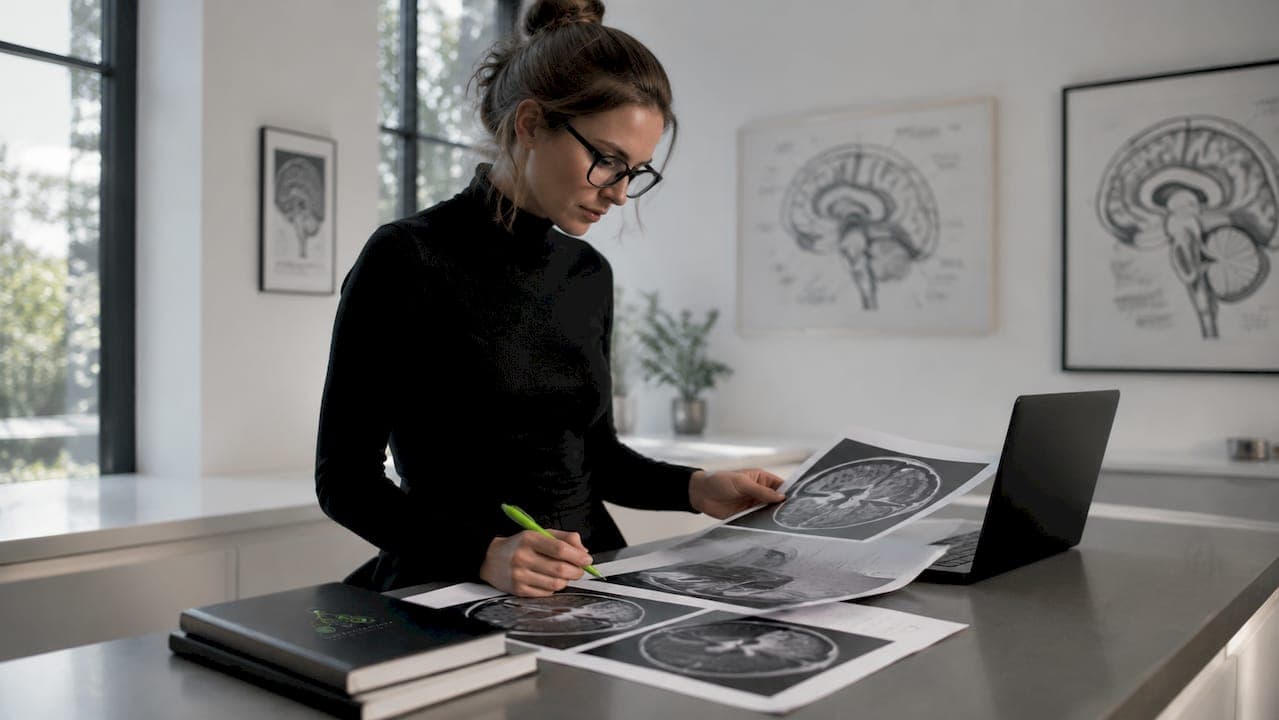
The neuroscience approach to concussion rehabilitation is defined as a targeted method of retraining dysfunctional neural networks to restore brain function, mental resilience, and athletic performance after a head injury. Unlike traditional rest-and-wait protocols, this approach treats concussion as a systems-level brain event requiring active intervention. Neuroplasticity, neurovascular coupling, and vestibular system retraining are the three core pillars driving recovery. Athletes who apply these principles recover faster, reduce the risk of chronic symptoms, and return to competition with stronger mental and physical foundations. Robertsneurotraining applies exactly this model, combining nervous system reprogramming with evidence-based brain training to help athletes perform at their best after injury.
How neuroplasticity drives concussion recovery
Neuroplasticity is the brain's ability to reorganize its neural connections in response to experience, injury, or targeted training. After a concussion, this capacity becomes both the greatest asset and the greatest risk in recovery. Functional neurology shifts the treatment focus from structural damage to dysfunctional neural pathways, using neuroplasticity-based exercises to restore communication between brain regions. That shift matters because standard imaging often shows no visible injury, yet athletes still suffer real, measurable deficits.
The key distinction in post-concussion neuroplasticity is adaptive versus maladaptive change. Adaptive plasticity means the brain builds new, functional pathways to replace damaged ones. Maladaptive plasticity means the brain reinforces avoidance patterns when it avoids certain movements or stimuli, locking in compensatory behaviors that feel protective but actually delay recovery. An athlete who stops turning their head quickly after a concussion may feel safer, but the brain learns to treat that movement as a threat.
Controlled, repeated activity is the mechanism that drives adaptive change. The NERD model describes persistent concussion symptoms as reflex circuit dysfunction causing network entrapment and maladaptive sensorimotor feedback loops. This framework explains why passive rest alone fails. The brain needs targeted input to break those loops and rebuild healthy signaling.
Key principles for promoting adaptive neuroplasticity:
- Introduce controlled challenges that push the brain just beyond its current comfort zone
- Repeat movements and cognitive tasks consistently to reinforce new neural pathways
- Avoid complete rest beyond the first 24–48 hours after injury
- Monitor symptoms closely to stay within the therapeutic window
- Prioritize exercises that address the specific systems disrupted by the concussion
Pro Tip: Track your symptoms on a 0–10 scale before and after each session. If symptoms rise more than 2 points and stay elevated for over an hour, you exceeded the therapeutic window. Scale back intensity, not effort.
What tools and therapies are used in neuroscience concussion rehabilitation?
Neuroscience-based concussion therapy uses a specific set of tools targeting the brain systems most disrupted by head injury. These are not generic physical therapy exercises. Each modality addresses a distinct neural pathway.
Vestibular and ocular motor training
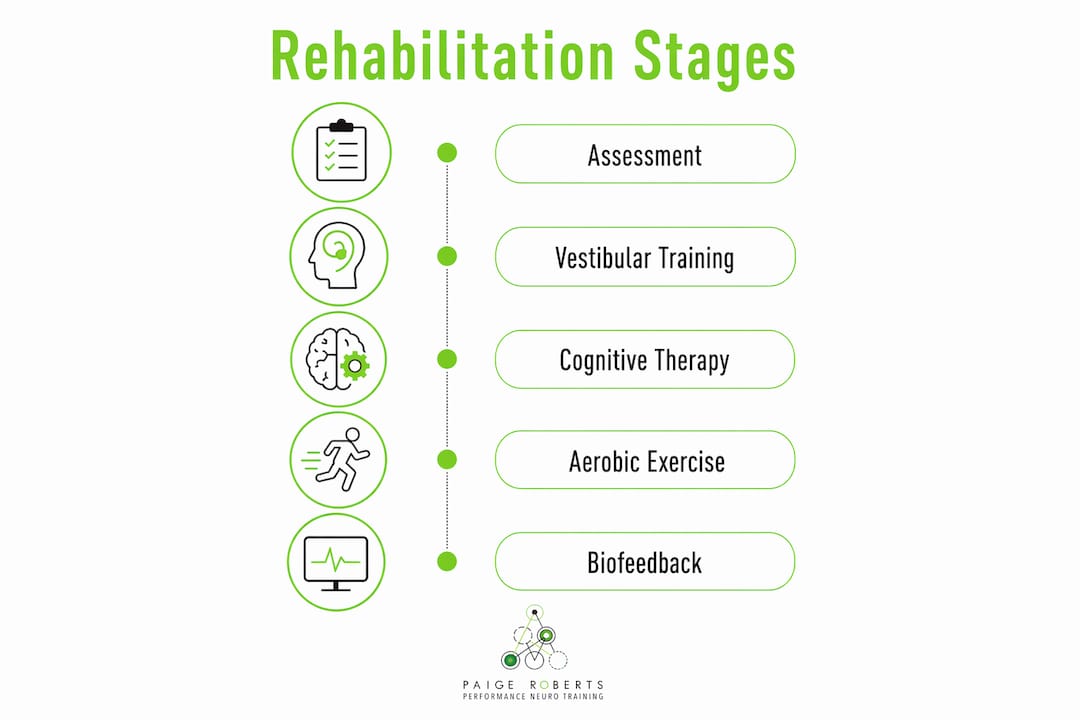
The vestibular system controls balance and spatial orientation. Concussion frequently disrupts the connection between the inner ear, the eyes, and the brain. Vestibular therapy uses gaze stabilization drills, balance challenges, and head movement exercises to retrain this system. Ocular motor training targets the eye movement pathways that control tracking, convergence, and visual processing speed. Athletes who skip this step often return to sport with subtle coordination deficits that impair reaction time and spatial judgment.
Cognitive and aerobic rehabilitation
Sub-symptom threshold aerobic exercise promotes cerebral blood flow regulation and autonomic balance, facilitating adaptive neuroplasticity without triggering symptom flare-ups. This means structured walking, cycling, or light jogging at an intensity that keeps symptoms below threshold. Cognitive rehabilitation techniques layer on top of aerobic work, using dual-task training, working memory drills, and attention exercises to rebuild mental processing speed.
Wearable sensor biofeedback
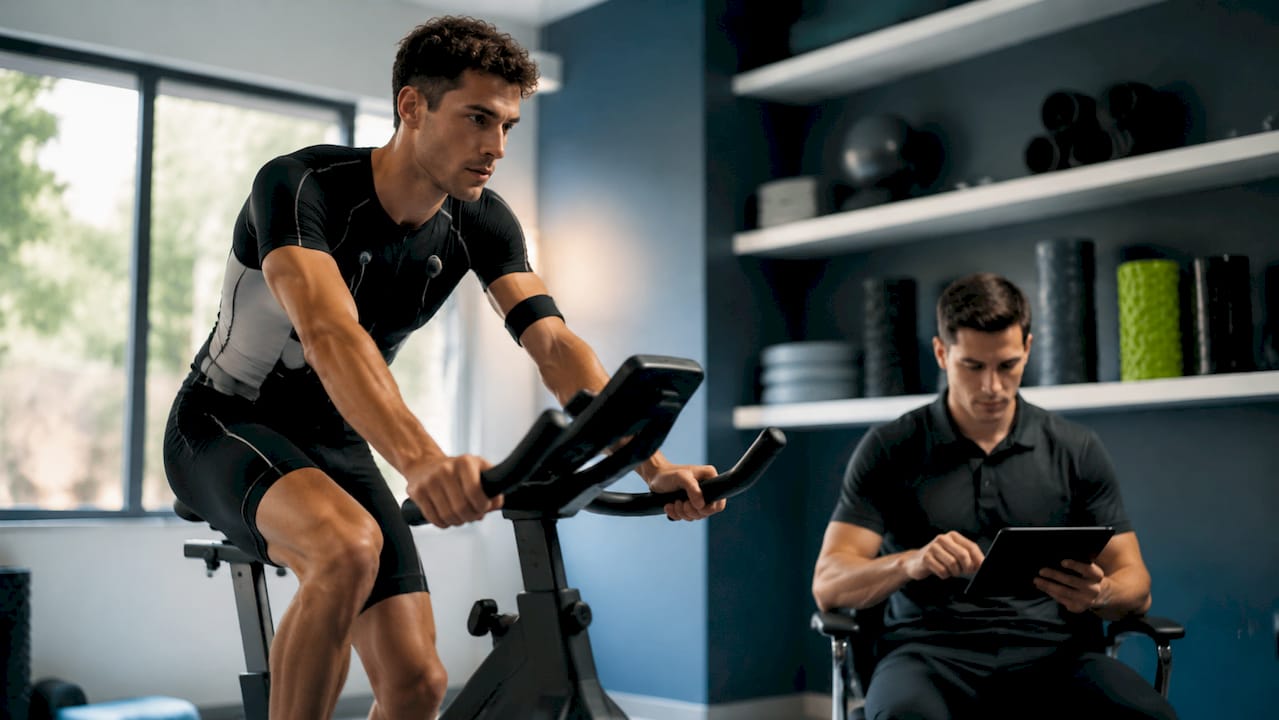
Wearable biofeedback integrated into vestibular and ocular therapy improves athlete responsiveness and supports return-to-sport decisions for mild traumatic brain injury. Real-time data from accelerometers and heart rate monitors tells both the athlete and clinician exactly when the nervous system is being challenged appropriately versus pushed into overload.
Pro Tip: Use wearable data to identify your personal symptom threshold during exercise. Most athletes discover their limit is higher than fear suggests, which builds confidence alongside recovery.
| Therapy type | Target system | Primary benefit |
|---|---|---|
| Vestibular therapy | Inner ear and balance pathways | Restores spatial orientation and stability |
| Ocular motor training | Visual processing and tracking | Improves reaction time and coordination |
| Sub-threshold aerobic exercise | Cerebrovascular and autonomic systems | Promotes blood flow and neuroplasticity |
| Cognitive rehabilitation | Prefrontal and attention networks | Rebuilds processing speed and focus |
| Wearable biofeedback | Autonomic nervous system | Guides safe activity intensity in real time |
What does a neuroscience-based concussion rehabilitation protocol look like?
A structured protocol removes guesswork and gives the brain consistent, progressive input. The following stages reflect the evidence-based sequence used in neuroimaging-guided rehabilitation programs.
- Baseline assessment. Map current symptom severity, vestibular function, ocular motor performance, and cognitive processing speed before any active treatment begins.
- Sub-threshold aerobic activation. Begin with 20–30 minutes of light aerobic activity at an intensity that keeps symptoms below a 2 out of 10. This initiates cerebrovascular regulation without overloading the system.
- Vestibular and vision exercises. Add gaze stabilization, head movement drills, and balance challenges. Start with simple, slow movements and increase speed and complexity over days, not hours.
- Cognitive dual-task training. Combine physical movement with mental tasks, such as reciting sequences while walking or tracking a moving target while performing balance drills. This rebuilds the brain's ability to manage competing demands.
- Mental reprogramming. Address the fear, avoidance, and anxiety patterns that develop after concussion. Techniques like nervous system reprogramming retrain the threat response and rebuild confidence in movement.
- Sport-specific reintegration. Reintroduce sport-specific movements, starting with isolated skills and progressing to full-contact practice only after all previous stages are symptom-free.
Pro Tip: Manage your symptom window, not your symptom absence. Waiting until you feel completely normal before exercising often means waiting too long. Mild, manageable symptoms during controlled activity are a sign the brain is adapting.
| Protocol stage | Key activity | Progression signal |
|---|---|---|
| Aerobic activation | Light cycling or walking | Symptoms stay below 2 out of 10 |
| Vestibular training | Gaze stabilization drills | No dizziness after 10 minutes |
| Cognitive dual-task | Movement plus mental challenge | Task accuracy improves over sessions |
| Mental reprogramming | Nervous system retraining | Reduced anxiety around movement |
| Sport reintegration | Skill drills to full contact | Zero symptom elevation post-session |
Common challenges and mistakes in concussion rehabilitation
The biggest mistake athletes make is treating concussion recovery as a binary state: either resting completely or returning to full training. Both extremes damage recovery. Complete rest can hinder recovery through deconditioning and maladaptive patterns. Pushing too hard triggers symptom flare-ups that set recovery back by days.
Maladaptive compensatory habits are the hidden enemy of concussion recovery. Athletes often develop rigid head movements and visual avoidance behaviors that feel protective but reinforce dysfunctional neural circuits. A soccer player who stops tracking fast-moving objects is training their brain to avoid exactly the skill they need to compete. Neuroscience rehabilitation aims to identify and unlearn these habits through targeted sensorimotor retraining.
Common pitfalls to watch for:
- Returning to screen time or cognitive work too quickly after injury
- Avoiding all physical activity beyond the first 48 hours
- Ignoring vestibular symptoms like dizziness or imbalance as minor inconveniences
- Failing to address anxiety and fear responses that develop around movement
- Measuring progress only by symptom absence rather than functional improvement
Mental resilience is not a soft skill in concussion recovery. It is a neurological necessity. The biopsychosocial model of injury recovery confirms that psychological state directly influences neural healing. Athletes who develop catastrophic thinking about their symptoms activate threat circuits that amplify pain and delay recovery.
"The brain does not distinguish between a physical threat and a perceived one. Fear of movement after concussion creates the same neural suppression as the injury itself. Rehabilitation must address both."
Pro Tip: If your progress stalls for more than two weeks despite consistent effort, reassess your symptom threshold. Most plateaus reflect either under-dosing or a specific system, such as vestibular or cognitive, that needs more targeted attention.
How is technology advancing concussion rehabilitation outcomes?
Emerging technology is changing what is possible in brain injury recovery methods. Virtual reality is the most significant development. RehabXR virtual reality training improves functional brain connectivity within vestibular and default mode networks, with changes correlated to behavioral readiness after mild traumatic brain injury. That correlation matters because it gives clinicians an objective measure of recovery, not just symptom self-report.
Neuroimaging-guided protocols represent another major advance. Enhanced Performance in Cognition (EPIC) neurovascular coupling therapies conducted intensively over 4 days, at 6–8 hours per day, show accelerated symptom improvement in post-concussion athletes. The intensity is the point. Concentrated, guided input drives faster neural reorganization than spread-out, low-dose sessions.
Key technology applications in current concussion rehabilitation:
- VR environments that simulate sport-specific visual and vestibular demands
- QEEG brain scans that map neural activity patterns and guide individualized treatment
- Wearable accelerometers that track head movement quality during rehabilitation drills
- Heart rate variability monitors that assess autonomic nervous system recovery in real time
| Technology | Mechanism | Clinical application |
|---|---|---|
| Virtual reality (VR) | Vestibular and cognitive network stimulation | Accelerates functional connectivity recovery |
| QEEG brain scanning | Maps neural activity and dysregulation | Guides individualized treatment targeting |
| Wearable sensors | Real-time movement and autonomic data | Monitors safe activity intensity |
| Neuroimaging-guided EPIC | Intensive neurovascular coupling therapy | Accelerates post-concussion symptom resolution |
The future of concussion rehabilitation sits at the intersection of personalized brain data and targeted neural training. Athletes who access these tools gain a measurable advantage in both speed and quality of recovery.
Key Takeaways
The neuroscience approach to concussion rehabilitation works because it targets dysfunctional neural pathways directly, using neuroplasticity, vestibular retraining, and mental reprogramming to rebuild brain function from the inside out.
| Point | Details |
|---|---|
| Neuroplasticity drives recovery | Adaptive brain changes require controlled, repeated activity, not passive rest. |
| Maladaptive habits delay healing | Avoidance behaviors reinforce dysfunctional circuits and must be actively unlearned. |
| Symptom window management is critical | Stay within a therapeutic range of mild symptoms to stimulate adaptation without flare-ups. |
| Technology accelerates outcomes | VR, QEEG scans, and wearable biofeedback provide objective data to guide faster recovery. |
| Mental reprogramming is neurological | Fear and anxiety after concussion activate threat circuits that physically slow brain healing. |
What I have learned from working with athletes through concussion recovery
Athletes come to me expecting a physical fix. What surprises most of them is how much of concussion recovery is a nervous system conversation. The brain after a concussion is not broken. It is confused. It has learned to protect itself in ways that no longer serve the athlete, and the work is teaching it something new.
The biggest gap I see in standard concussion protocols is the complete neglect of the mental reprogramming component. Vestibular therapy and aerobic exercise are well-supported and necessary. But an athlete who has developed a fear response to fast head movements, bright lights, or competitive pressure is carrying a nervous system that is primed for threat, not performance. That threat state does not resolve on its own. It needs direct intervention.
What I have found works is treating the nervous system as trainable, not fragile. Athletes who approach rehabilitation as active training, not passive healing, recover with more confidence and fewer setbacks. The mental reprogramming process is not about positive thinking. It is about changing the actual neural signals the brain sends during movement and competition.
Technology like QEEG scans and wearable biofeedback gives athletes proof that their brain is changing. That proof matters. Seeing objective data shift over weeks of training replaces fear with evidence. And evidence is what builds the mental resilience that carries athletes back to peak performance, and beyond it.
— Paige
Robertsneurotraining: neuroscience-based support for concussion recovery
Athletes recovering from concussion need more than rest and generic exercises. Robertsneurotraining offers a personalized approach built on the same neuroscience principles covered throughout this article.
The Energy Optimization Workbook gives athletes a structured, neuroscience-based tool to manage energy, track symptoms, and build mental resilience during recovery. QEEG Brain Scans map your neural activity patterns so treatment targets the exact systems disrupted by your concussion. And Alpha Imprinting, Robertsneurotraining's proprietary nervous system reprogramming method, addresses the fear, avoidance, and performance anxiety that standard rehabilitation leaves untreated. Athletes at every level, from collegiate competitors to Olympic medalists, have used these tools to return stronger than before.
FAQ
What is the neuroscience approach to concussion rehabilitation?
The neuroscience approach to concussion rehabilitation is a targeted method of retraining dysfunctional neural pathways using neuroplasticity-based exercises, vestibular therapy, cognitive training, and mental reprogramming. It treats concussion as a systems-level brain event rather than a structural injury requiring rest.
How does neuroplasticity help after a concussion?
Neuroplasticity allows the brain to build new functional pathways to replace damaged ones when given controlled, repeated stimulation. Without targeted activity, the brain can instead reinforce maladaptive avoidance patterns that prolong symptoms.
What is the role of vestibular therapy in concussion recovery?
Vestibular therapy retrains the connection between the inner ear, eyes, and brain that concussion disrupts. Athletes who complete vestibular rehabilitation recover balance, spatial orientation, and reaction time more fully than those who skip it.
How long does neuroscience-based concussion rehabilitation take?
Recovery timelines vary based on injury severity, symptom complexity, and treatment intensity. Intensive neuroimaging-guided protocols like EPIC show accelerated improvement within a concentrated 4-day treatment period, while full rehabilitation typically spans several weeks of progressive training.
Can mental reprogramming actually speed up concussion recovery?
Yes. Fear and anxiety after concussion activate threat circuits that suppress neural healing. Nervous system reprogramming techniques directly address these patterns, reducing the neurological load that slows recovery and rebuilding the mental resilience athletes need to perform under pressure.