
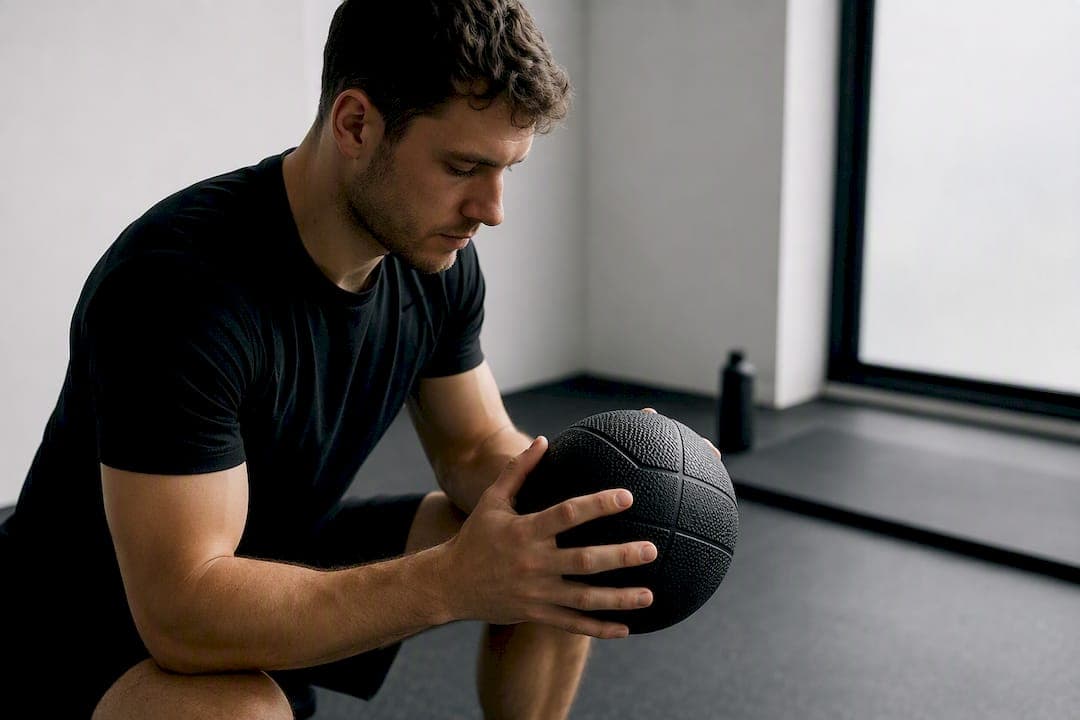
Focus training is best built from short sensory-anchor drills plus purposeful breathwork and weekly simulation sessions. Practice regularly and expect measurable gains within several weeks. The core toolkit is small: sensory anchors, single-task concentration drills, breath control, cue words, and a fast focal-point reset. Add distraction under fatigue once a week, and the gains transfer to competition.
TL;DR:
- Weekly focus training should include micro-sessions with sensory anchors, breathwork, and cue rehearsals, progressively increasing distraction and fatigue.
- Combining cognitive tasks with physical exertion over several weeks enhances neural endurance and improves focus under pressure.
- Focus training often fails if athletes try to grit through tension or focus solely on outcome, making mental reset routines and calm correction essential.
- Focus should be built through repetition and gradual overload, with progress tracking via self-rated focus, attention failures, and routine adherence.
- Deeper blocks from past trauma or injury may require neurotraining approaches like Alpha Imprinting instead of standard drills.
Table of Contents
- What Does Focus Training for Athletes Actually Look Like?
- How Do You Build a Weekly Focus Training Plan?
- Does Brain Endurance Training Actually Improve Focus Under Pressure?
- Why Focus Training Fails (and How to Reset Fast)
- A Note From Dr. Paige Roberts on Combining Drills With Neuroscience
- Ready to Train Your Focus at the Nervous System Level?
- Sources
What Does Focus Training for Athletes Actually Look Like?
Concentration training for sports isn't a personality trait you either have or lack. It's a skill built through repetition, the same way you'd groove a jump shot or a swing. The drills below take five minutes or less individually, and most athletes stack two or three of them into a single warm-up.
1. Sensory awareness drill (2 to 5 minutes). Before a session, pick one sensory channel and track it exclusively: a hitter feels the bat's weight shift through the swing, a runner counts foot strikes on a specific surface, a tennis player notices only grip pressure at contact. This isn't relaxation. It's training the brain to lock onto one input while everything else gets filtered out.
2. Grid or timer concentration drill. Harvard-affiliated neuropsychologists recommend a single-task monitoring exercise: read attentively for a sustained period, pausing at intervals to check whether your mind wandered, then refocus. Athletes can adapt this directly. Set a timer for 10 minutes of a single drill (dribbling, stick handling, footwork), and every 2 minutes ask "was I actually here?" Progress by extending the interval or adding a second stimulus, like background noise.
3. Purposeful breathing. A 4 count inhale, 6 count exhale pattern slows heart rate and pulls attention out of a spiraling head. Some athletes prefer breath counting instead, silently counting each exhale up to 10, then restarting. Either version belongs in a pre-performance routine, not just a panic response. Practicing it when calm is what makes it usable when you're not.
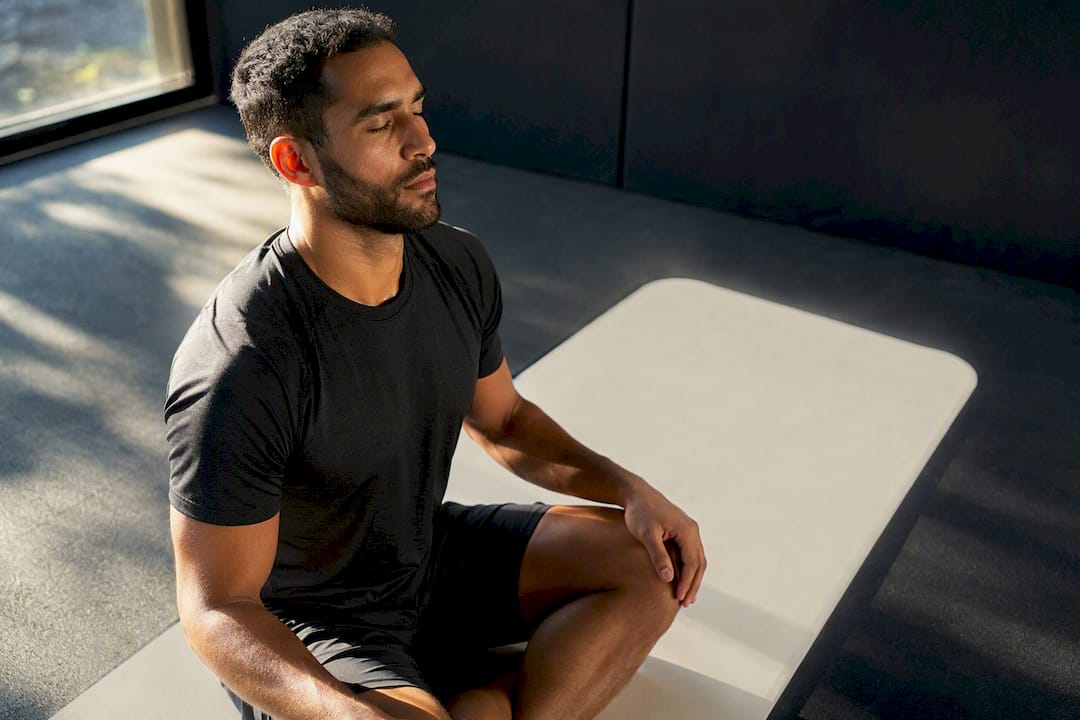
4. Cue words and physical triggers. A cue word only works if it's tied to something physical, a grip adjustment, a specific glance, a foot tap. "Relax" or "focus" alone are too vague to anchor attention under pressure; they're just noise. Pick one word paired with one action, and rehearse the pairing in practice until it's automatic.
5. Three-point focal reset. Coaching literature outlines a simple reset sequence: pick three focal points, take a breath at each one, close your eyes, and image the next play. It takes under 15 seconds and works because it forces narrow, external attention right when a mind tends to drift internal.
- Sensory anchor: one channel, full attention, 2 to 5 minutes
- Grid drill: single task, timed checks, progressive difficulty
- Breathwork: 4:6 pattern or breath counting, built into your routine
- Cue word: one word, one physical action, rehearsed until automatic
Pro Tip: Attach your cue word to a rehearsed physical motion before you ever need it in a game. A cue you've never practiced under low stakes will not hold up under high stakes.
How Do You Build a Weekly Focus Training Plan?
A drill you only do once means nothing. Focus training for athletes works like strength training: frequency and progressive overload matter more than any single session's intensity.
Sample weekly structure:
- Monday through Friday: 10 to 15 minute micro-sessions folded into warm-ups (sensory anchor plus breathwork plus cue rehearsal)
- One simulation session per week: full-speed practice with an added distraction (crowd noise, an official's whistle, a scoreboard clock)
- Post-session log: 60 seconds noting attention lapses and what triggered them
Progression isn't complicated. Once a drill feels easy, increase the distraction load, add it under physical fatigue near the end of practice, or shorten recovery between reps so the brain has less time to reset. This is how you build actual endurance instead of a skill that only shows up when you're fresh.
What to track:
- Self-rated focus, 1 to 5, logged right after each session
- Coach-observed attention failures per rep (missed cues, late reactions, blown assignments)
- Routine adherence, did the athlete actually run the cue and breath sequence, or skip it under stress
Coaches embedding this into team practice should build in five minutes at the start of every session for the micro-drills, run one simulation block weekly with a real distraction variable, and reinforce process goals out loud, calling out execution ("stay on your mark, watch the release") rather than outcome ("don't mess this up"). Process-focused language keeps attention anchored in the present rep instead of drifting toward the scoreboard.
Does Brain Endurance Training Actually Improve Focus Under Pressure?
The research backing this is more specific than most coaching advice admits. A 2025 study in Nature found that combining high-intensity cognitive tasks with physical exertion improved attentional consistency and anxiety regulation in high-stakes conditions. Translation: the brain's ability to stay locked in doesn't just depend on rest and calm reps. It's trained by practicing focus while fatigued and distracted, which is exactly the condition athletes face in the fourth quarter or the ninth inning.
A PMC systematic review reinforces this across multiple trials, linking attentional training methods to measurable gains in cognitive control and sport performance outcomes.
Combining a sport-specific skill with a simple cognitive load, counting backward by sevens while running a footwork drill, for example, and increasing that load or the accompanying fatigue over several weeks, builds the kind of neural endurance that shows up when a game gets tight.
Safety checklist for simulation sessions:
- Keep cognitive tasks simple enough that form doesn't collapse (counting, naming, simple recall)
- Increase physical fatigue gradually across weeks, not within a single session
- Track a measurable outcome (attention failures per rep, self-rated focus) so progress is visible, not assumed
- Pull back intensity if technique breaks down before mental fatigue does
Athletes carrying a history of injury, panic responses, or performance anxiety often hit a ceiling here that drills alone can't move past. That's the gap Robertsneurotraining was built to close, working directly with the nervous system rather than layering another mental trick on top of an unresolved trauma response.
Why Focus Training Fails (and How to Reset Fast)
Most focus training breaks down for the same handful of reasons. Forcing focus is the biggest one, gritting your teeth and trying harder almost always backfires, because attention narrows through calm repetition, not tension. Outcome fixation is another: an athlete thinking about the final score instead of the next rep has already lost the rep in front of them. Overcomplicating cues (three words instead of one, or a cue with no physical anchor) makes them useless exactly when they're needed most. And skipping simulation entirely means an athlete's first exposure to real distraction happens in competition, which is the worst possible time to test a new skill.
Fast in-competition reset, three steps:
- Physical trigger (grip adjustment, foot tap, deep exhale)
- Breath, one slow cycle
- Focal-point reset: three points, eyes closed briefly, image the next play
Pro Tip: Rehearse your reset sequence after a deliberately bad rep in practice, not just after good ones. That's the only way you'll trust it mid-game.
Coaches play a real role here too. How a coach responds right after an athlete's mistake sets the tone for whether that athlete stays present or spirals. A calm, process-focused correction rebuilds focus faster than criticism ever will. When mistakes trigger disproportionate anxiety, freezing, or a pattern that drills and coaching cues can't touch, that's usually a sign the block sits deeper than technique, and a mental performance coach or a neurotraining approach becomes worth considering.
A Note From Dr. Paige Roberts on Combining Drills With Neuroscience
The drills above work, and I recommend athletes start there. But some blocks don't respond to a breathing pattern or a cue word, because they're not skill gaps. They're nervous system responses left over from an injury or a past stressor that the body never fully cleared. Alpha Imprinting was built for that layer specifically, reprogramming the automatic response so an athlete's daily practice actually sticks instead of getting overridden by panic under pressure. Use the drills every day. If something deeper keeps resurfacing despite consistent practice, that's worth a closer look.
— Paige
Ready to Train Your Focus at the Nervous System Level?
The drills in this guide build real skill, but for athletes whose focus keeps collapsing under pressure despite consistent practice, the block often isn't about technique at all. Robertsneurotraining works directly with the nervous system through Alpha Imprinting, a protocol designed to clear the panic and trauma responses that no cue word or breathing pattern can fully override.

The approach scales to what an athlete actually needs. Some start with the Energy Optimization Workbook to structure daily practice around the same principles covered here. Others move into the full 10-week Energy Optimization Program or 1:1 Performance Neuro Training when panic, past injury, or performance anxiety is clearly capping results despite solid mental preparation. Sport-specific applications exist too, including programs built around tennis and lacrosse, where the demands on split-second attention are distinct. If your focus training has plateaued, book a consultation to find out which level of support fits where you actually are.
Sources
- Tips to improve concentration - Harvard Health
- Nature: brain endurance training study (2025)
- PMC review on attention training
- Ground Rules: Focus Training — ABCA Magazine (2025)