
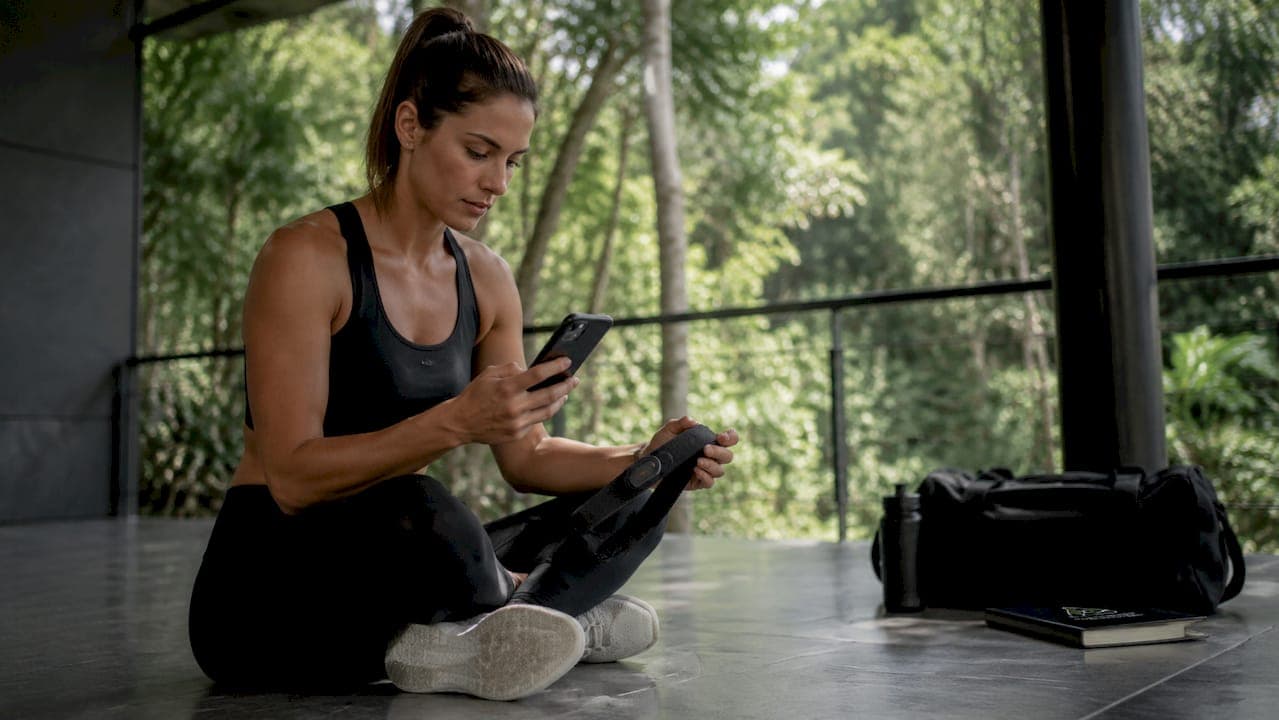
An integrated nervous system training program is a structured method for improving autonomic regulation, reducing performance anxiety, and building resilience through measurable physiological and psychological techniques. Athletes who train the nervous system directly, rather than relying solely on mental pep talks or generic relaxation routines, gain a measurable edge in competition. Tools like the Polar H10 chest strap, the HRV4Training app, and RMSSD metrics make this approach concrete and trackable. A 2026 systematic review confirmed that HRV-guided training improves performance outcomes in endurance athletes when paired with subjective wellness measures. This article gives you the tools, structure, and techniques to build that program from the ground up.
What does an integrate nervous system training program actually require?
Every effective nervous system optimization program starts with measurement. You cannot regulate what you cannot see. The two most widely used metrics are RMSSD (root mean square of successive differences) and LnRMSSD (the natural log of RMSSD). Both reflect vagal tone, which is the degree to which your parasympathetic nervous system is active and available for recovery. Higher RMSSD generally signals better recovery and lower autonomic stress load.
Objective HRV data alone is not enough. Perceived recovery status (PRS) scores, which athletes self-report on a 1–10 scale each morning, add context that raw numbers miss. An athlete might show a normal RMSSD but report feeling flat, fatigued, or anxious. That gap between objective and subjective data is often where performance problems hide.
Common tools for monitoring nervous system health:
- Polar H10 chest strap: The gold standard for accurate beat-to-beat interval recording during rest and exercise
- HRV4Training app: Captures morning HRV via smartphone camera using photoplethysmography, no chest strap required
- Elite HRV app: Pairs with Bluetooth chest straps and provides trend analysis over time
- WHOOP band: Continuous wrist-based HRV tracking with recovery scoring built in
- Perceived Recovery Status (PRS) scale: A validated subjective tool athletes complete alongside HRV each morning
Pro Tip: Measure HRV at the same time every morning, lying down, before caffeine or conversation. Even minor changes in posture or timing introduce enough variability to make trend data unreliable.
| Metric | Type | What It Measures |
|---|---|---|
| RMSSD | Objective | Parasympathetic activity and short-term HRV |
| LnRMSSD | Objective | Normalized HRV for statistical comparison |
| PRS Score | Subjective | Athlete's self-rated recovery and readiness |
| Sleep Duration | Objective | Total sleep as a proxy for recovery quality |
| Cortisol (morning) | Biomarker | Stress hormone baseline and daily variation |
Which techniques actually reduce performance anxiety?
Coherent paced breathing is the most evidence-supported technique for immediate parasympathetic activation. It involves inhaling and exhaling at a rate of roughly five to six breath cycles per minute, which resonates with the body's natural cardiovascular rhythms. A 2026 RCT with 22 athletes showed that coherent breathing increased RMSSD, reduced the inflammatory marker IL-1β, extended sleep duration, and stabilized cortisol compared to controls in a simulated competition setting. Those are not small effects. They represent a measurable shift in stress physiology from a breathing practice alone.
Slow-paced breathing, a related but distinct technique, works well for daily stress reduction outside of competition contexts. A 4-day longitudinal study with 67 subjects practicing five-minute guided slow-paced breathing three times daily showed immediate reductions in perceived stress and increases in vagally mediated HRV. Three five-minute sessions per day is a low time cost for that level of physiological return.
Pro Tip: Do not save breathing practice for competition day only. Daily repetition is what builds the parasympathetic response into an automatic skill. One session before a big game does almost nothing without weeks of prior practice behind it.
Beyond breathing, tailoring interventions to anxiety type matters more than stacking multiple techniques. A 2026 systematic review found that matching the intervention to whether an athlete experiences cognitive anxiety (racing thoughts, worry) or somatic anxiety (physical tension, nausea) produces better outcomes than applying a one-size-fits-all protocol.
Recommended interventions by anxiety type:
- Cognitive anxiety: Mindfulness-based stress reduction, cognitive restructuring, attention control training
- Somatic anxiety: Progressive muscle relaxation, biofeedback, coherent paced breathing
- Mixed anxiety: Combination of biofeedback with brief mindfulness anchoring
- Trauma-based responses: Structured nervous system reprogramming, such as the Alpha Imprinting method used at Robertsneurotraining
How do you structure nervous system training into daily and competition routines?
A practical integrated program combines a daily minimum dose of regulation exercises with brief acute protocols on competition days. The daily component builds baseline autonomic tone over weeks. The competition-day component manages acute anxiety in the hours before performance. Neither works well without the other.
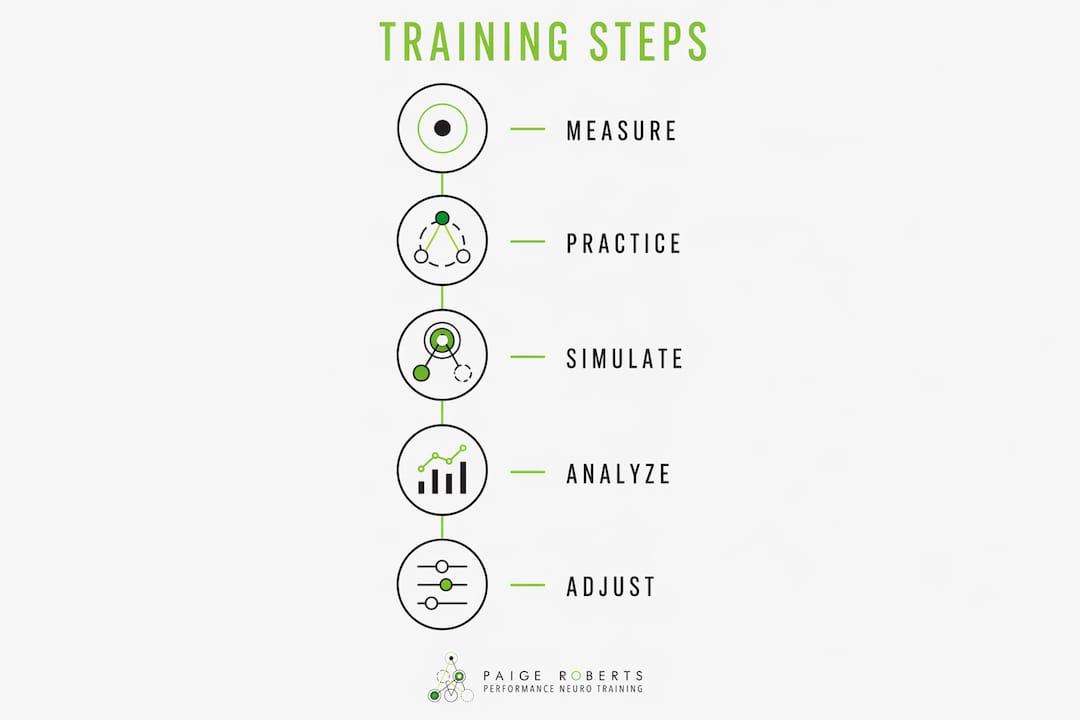
Implementation steps for coaches and athletes:
- Establish a morning HRV baseline using a Polar H10 or HRV4Training app for at least two weeks before making any program changes.
- Add daily breathing practice of five minutes of slow-paced or coherent breathing, three times per day, at consistent times.
- Log subjective readiness using a PRS score each morning alongside HRV to build a dual-data picture of recovery.
- Introduce rehearsal under pressure by practicing breathing and regulation techniques during training sessions at high arousal, not just at rest.
- Design a competition-day protocol of ten to fifteen minutes of coherent breathing two hours before performance, followed by a brief attention-focusing routine.
- Review weekly trends in HRV and PRS to adjust training load and recovery emphasis.
| Strategy | Daily Practice | Competition Day |
|---|---|---|
| Goal | Build baseline autonomic tone | Manage acute pre-performance anxiety |
| Duration | 3 × 5 minutes of breathing | 10–15 minutes, 2 hours before event |
| Metric tracked | Morning RMSSD trend | Subjective anxiety and readiness rating |
| Primary technique | Slow-paced breathing | Coherent paced breathing |
| Adjustment trigger | HRV drop below 7-day average | Anxiety score above athlete's threshold |
Research shows the highest transfer to competition occurs when athletes rehearse regulation skills under escalating arousal, not just in calm environments. This means practicing your breathing protocol during a hard training set, not only in a quiet room before bed.
Pro Tip: Simulate competition pressure in practice deliberately. Ask a teammate to watch, add a clock, or raise the stakes in some way. Regulation skills trained only in calm conditions often fail under real competitive stress.
How do you use HRV and readiness data to personalize the program?
HRV trends tell a different story than single readings. One low RMSSD morning means little. A five-day downward trend signals accumulated autonomic fatigue that needs a response. A 2026 sprint athlete study confirmed that RMSSD decreases with high training load and rebounds with rest, making it a reliable marker for guiding load management decisions when combined with PRS scores.
Measurement discipline is non-negotiable. HRV data quality depends on consistent conditions. Motion artifacts, irregular sleep timing, and alcohol consumption all distort readings enough to mislead program decisions. Coaches who treat HRV as a casual check-in rather than a disciplined protocol end up with noisy data that cannot support real decisions.
Common scenarios and suggested responses:
- Low HRV + high fatigue score: Reduce training intensity, add an extra breathing session, prioritize sleep
- Low HRV + normal fatigue score: Check for measurement error first; if confirmed, treat as early recovery signal
- Normal HRV + high fatigue score: Trust the subjective data; the athlete may be approaching burnout before HRV reflects it
- High HRV + low fatigue score: Green light for high-intensity training or competition preparation
- Post-concussion or post-injury: Autonomic recovery often lags behind physical clearance; monitor nocturnal RMSSD separately
Integrating HRV with recovery and wellness tracking gives coaches a fuller picture than either data stream alone. The goal is not to chase a perfect number. The goal is to spot trends early enough to act before performance suffers.
Pro Tip: Use a rolling 7-day HRV average as your baseline, not a fixed population norm. Every athlete's autonomic nervous system operates in a personal range. Comparing an athlete to themselves is far more useful than comparing them to a reference chart.
Key takeaways
An integrated nervous system training program works because daily breathing practice builds baseline autonomic resilience while HRV monitoring and tailored anxiety interventions make the program measurable and adjustable.
| Point | Details |
|---|---|
| Measure before you regulate | Establish a two-week HRV baseline using RMSSD and PRS scores before changing any training variables. |
| Match technique to anxiety type | Cognitive anxiety responds to mindfulness; somatic anxiety responds to coherent breathing and biofeedback. |
| Daily practice builds the skill | Three five-minute breathing sessions per day produce measurable HRV and stress reductions within days. |
| Rehearse under pressure | Practice regulation techniques during high-arousal training to ensure they transfer to competition. |
| Combine objective and subjective data | HRV trends plus PRS scores together reveal what neither measure shows alone. |
What i've learned working with athletes on nervous system training
Most athletes come to nervous system training looking for a quick fix before a big competition. That mindset is the first thing I address. A single coherent breathing session the morning of a race will not undo months of accumulated stress physiology. What it will do is provide a small, real benefit on top of a foundation that has been built through consistent daily practice.
The athletes I have seen make the biggest gains are the ones who treat nervous system regulation the same way they treat physical conditioning: as a daily discipline with progressive overload. They do not skip their breathing practice because they feel fine. They understand that the calm they feel on competition day is the product of weeks of repetition, not a lucky morning.
I also push back hard against the idea that more techniques equal better results. A 2026 systematic review on competitive anxiety interventions confirmed what I have observed in practice: depth beats breadth. An athlete who has mastered one coherent breathing protocol and practiced it under pressure will outperform an athlete who has dabbled in five different techniques without committing to any of them.
The other thing coaches often underestimate is the recovery side of this work. Nervous system training is not just about calming down before competition. It is about building a system that recovers faster, adapts better, and stays regulated under sustained pressure. That requires monitoring, patience, and a willingness to adjust the program when the data says something is off.
— Paige
How Robertsneurotraining supports your nervous system program
Robertsneurotraining, led by Dr. Paige Roberts, offers a neuroscience-based program built specifically for athletes dealing with performance anxiety, mental blocks, and trauma responses that standard sports psychology does not address. The program incorporates HRV-informed training, coherent breathing protocols, and the proprietary Alpha Imprinting method to reprogram the nervous system at a deeper level than surface-level relaxation techniques.
Olympic medalists and professional league athletes have used Robertsneurotraining to clear the autonomic patterns that were holding their performance back. If you are ready to build a nervous system program that is measurable, structured, and tailored to your anxiety profile, Robertsneurotraining is the place to start. Coaches can also explore proven methods for coaches to learn how to apply these techniques across an entire team.
FAQ
What is an integrated nervous system training program?
An integrated nervous system training program is a structured approach that combines HRV monitoring, breathing-based regulation techniques, and tailored psychological interventions to improve autonomic balance, reduce performance anxiety, and build athletic resilience over time.
How long does it take to see benefits from nervous system training?
A 4-day study showed measurable HRV increases and stress reductions within days of starting slow-paced breathing practice. Sustained benefits in cortisol stability and sleep quality develop over several weeks of consistent daily practice.
What is the best HRV metric for athletes?
RMSSD is the most widely used and validated HRV metric for athletes because it directly reflects parasympathetic activity and responds reliably to changes in training load and recovery status.
How do i know which anxiety technique to use?
Match the technique to the anxiety type. Cognitive anxiety responds best to mindfulness and attention control. Somatic anxiety responds best to coherent paced breathing and biofeedback, as confirmed by a 2026 systematic review on competitive anxiety interventions.
Can nervous system training help after a sports injury?
Yes. A 2026 study in concussed athletes showed that parasympathetic withdrawal measured by reduced nocturnal RMSSD persists beyond medical clearance, making structured nervous system monitoring and regulation a necessary part of return-to-sport protocols.