
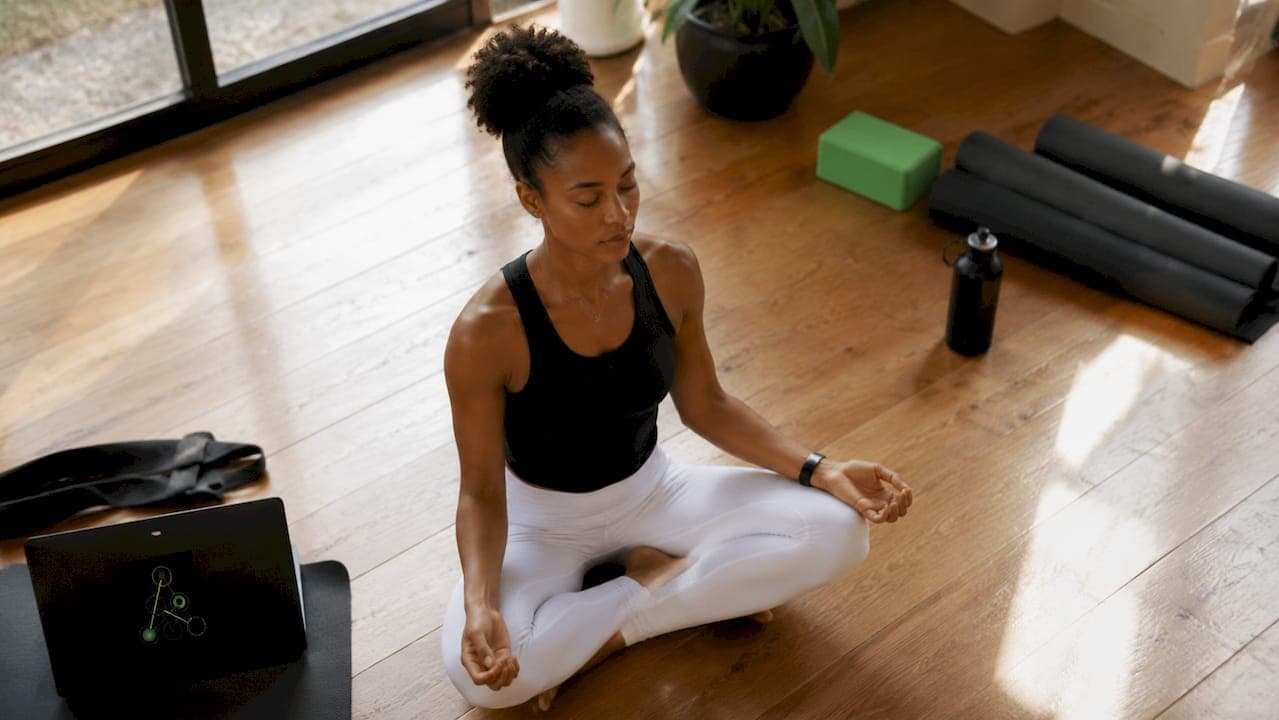
To reprogram your nervous system for sports means training your brain-body connection to shift out of anxiety and into peak performance on demand. This is not a mindset trick. It is a physiological process grounded in neuroplasticity, the brain's ability to rewire itself through repeated, targeted input. Methods like breathwork, neurofeedback, cold exposure, and sensorimotor drills each target different parts of the autonomic nervous system. The result is better decision-making under pressure, faster recovery between efforts, and the kind of composure that holds when competition gets hard. Robertsneurotraining, led by Dr. Paige Roberts, has built an entire program around this science.
How to reprogram your nervous system for sports
The nervous system controls every physical output you produce as an athlete. Speed, coordination, reaction time, and even confidence under pressure all run through it. When stress or past trauma dysregulates that system, performance breaks down at the source. Reprogramming it means giving the brain new, repeated experiences that replace old threat responses with regulated, high-performance states.

The industry term for this process is autonomic nervous system regulation, sometimes called nervous system reprogramming in applied sports contexts. Both terms describe the same goal: shifting the nervous system from a reactive, threat-driven state into a flexible, responsive one. Robertsneurotraining's Alpha Imprinting method targets this shift directly, helping athletes clear mental blocks and access flow states during competition.
Neuroplasticity in sports is the biological mechanism that makes this possible. Program designs refined over 15 years show that integrating brain-based training with strength and conditioning produces measurable gains in athletic performance. That timeline matters. Reprogramming is not a one-session fix. It requires consistent, layered input across weeks and months.
What tools do athletes need to get started?
Before any reprogramming protocol begins, a baseline nervous system evaluation is the first step. This means assessing heart rate variability (HRV), stress reactivity, and movement quality under pressure. Without a baseline, you cannot measure progress or identify which part of the system needs the most attention.
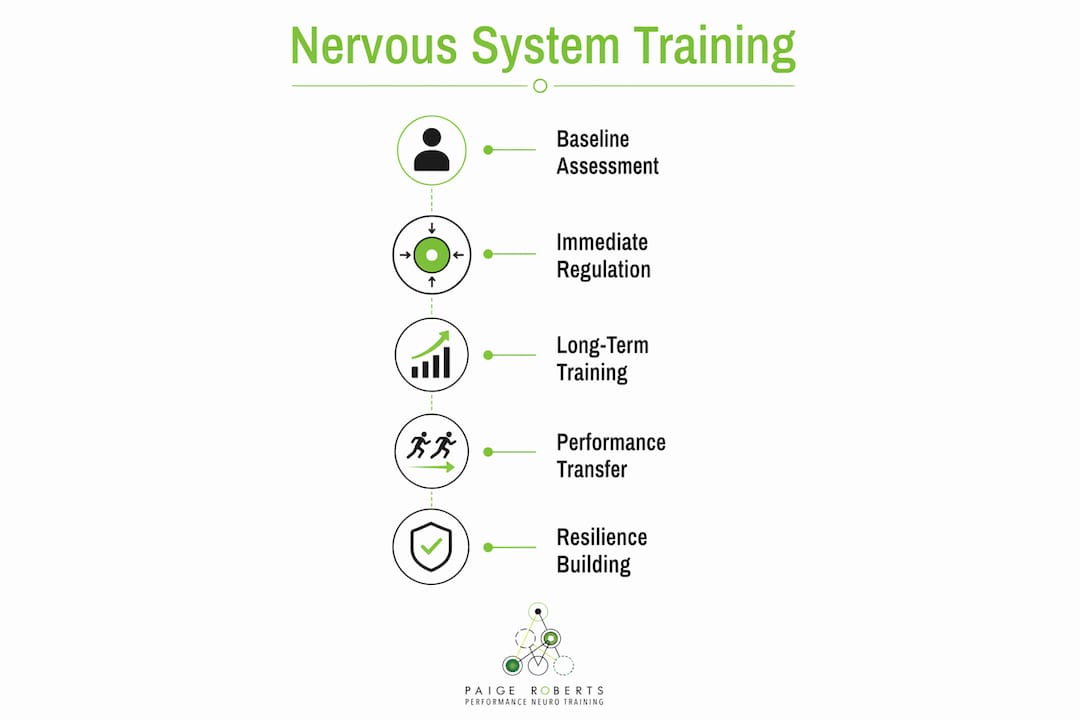
Higher resting HRV correlates with better recovery, coordination, and performance consistency under pressure. HRV reflects autonomic flexibility, which is the nervous system's ability to shift gears between activation and recovery. A heart rate monitor capable of HRV tracking, such as a Polar H10 or Whoop strap, gives you real data to work with from day one.
The table below compares the most common nervous system reprogramming tools and what each one requires to use effectively.
| Method | Primary Target | Equipment Needed |
|---|---|---|
| HRV Biofeedback | Autonomic flexibility | Heart rate monitor, HRV app |
| Neurofeedback | Cognitive regulation | EEG headset, trained practitioner |
| Cold water face immersion | Dive reflex, parasympathetic | Cold water basin or cold shower |
| Resonance frequency breathing | Vagal tone, stress response | Timer or guided audio |
| Vestibular and vision drills | Brain-to-body coordination | Balance board, vision training tools |
Mental readiness is also a prerequisite. Athletes who enter nervous system training while still in acute crisis, whether from injury, trauma, or burnout, need stabilization first. A stable training environment, consistent sleep, and basic recovery habits form the foundation that makes every other tool more effective.
Pro Tip: Start each training session with two minutes of slow nasal breathing before any physical warm-up. This primes the vagus nerve and signals the nervous system that the environment is safe, which makes every drill that follows more effective.
How to regulate your nervous system during training and competition
Immediate regulation techniques are the tools you reach for when anxiety spikes before a game or stress builds mid-competition. These are not long-term fixes. They are fast-acting inputs that shift the autonomic nervous system toward calm within seconds to minutes.
Cold water face immersion triggers the dive reflex when the face is submerged for 15–30 seconds. This reflex activates the parasympathetic nervous system rapidly, slowing heart rate and reducing the physiological stress response. It is one of the fastest manual resets available to an athlete. A cold water basin in a locker room or a cold shower before competition works well.
The physiological sigh is equally fast. It involves a double inhale through the nose followed by a long, slow exhale through the mouth. This technique deflates over-inflated air sacs in the lungs and rapidly lowers carbon dioxide buildup, which is a key driver of anxiety. For sustained calming, 4:6 ratio breathing (four-second inhale, six-second exhale) activates the vagus nerve and builds HRV in real time.
Here is when and how to apply these techniques:
- Use the physiological sigh in the locker room or on the bench when you notice your chest tightening or thoughts racing.
- Apply 4:6 breathing during warm-up or between sets to keep the nervous system primed rather than reactive.
- Use cold face immersion before high-stakes events when you have access and time, ideally 20–30 minutes before competition.
- Avoid using these tools as a substitute for long-term training. They manage the state; they do not change the baseline.
Common mistakes athletes make with these techniques include holding the breath during cold immersion, breathing too fast during the exhale phase, and applying them only in crisis rather than as a regular practice. Consistency is what builds the neural pathway.
Pro Tip: Pair 4:6 breathing with a body scan. After each exhale, briefly notice one physical sensation without judgment. This combination of breathwork and somatic awareness builds interoceptive awareness, which is the ability to read and steer your own arousal state in real time.
What long-term nervous system training builds sports resilience?
Long-term nervous system training targets four core areas: vision processing, vestibular control, reaction speed, and motor coordination. Each one feeds directly into athletic performance. Vision training sharpens how quickly the brain processes spatial information. Vestibular work improves balance and body awareness under dynamic conditions. Reaction drills build faster neural pathways between perception and movement.
Neurotraining integrated with strength and conditioning over 15 or more years of program refinement shows that brain-based training produces a competitive edge that physical training alone cannot replicate. The brain-to-body communication pathway is the limiting factor for most athletes, not muscle strength or cardiovascular capacity.
The table below outlines key long-term training approaches and their primary nervous system targets.
| Training Approach | Nervous System Target | Performance Outcome |
|---|---|---|
| Vision processing drills | Visual cortex, reaction pathways | Faster decision-making, better tracking |
| Vestibular balance training | Inner ear, proprioception | Improved coordination under pressure |
| Neurofeedback with movement | Cognitive regulation, motor control | Reduced anxiety, better focus |
| HRV biofeedback training | Autonomic flexibility | Faster recovery, composure under stress |
| Sensorimotor integration drills | Motor cortex, reflex arcs | Cleaner technique under fatigue |
Neurofeedback in football players shows potential for cognitive and decision-making improvements, but a systematic review of seven studies covering 133 players found no standardized protocols for consistent gains. This means neurofeedback works best when it is individualized and integrated with sport-specific movement, not delivered as a standalone lab session.
Coaches play a critical role here. Individualized training plans that account for an athlete's stress history, injury background, and competition schedule produce far better outcomes than generic protocols. The nervous system training methods that transfer to real performance are the ones built around the athlete's specific demands.
How do you avoid pitfalls that block performance transfer?
The most common mistake in nervous system training is passive neurofeedback without sport-specific movement. Lab-based passive neurofeedback lacks performance transfer unless it is coupled with sport-relevant perturbation and closed-chain movement drills that replicate real physical demands. Sitting still while watching a screen does not prepare the nervous system for a contested play or a high-pressure moment.
A second major pitfall is stoicism. Many athletes believe that suppressing stress is the goal. It is not. Composure is a skill of regulation, not the absence of stress. High arousal is manageable when the nervous system is trained to work with it rather than against it. Athletes who learn to steer their arousal rather than shut it down perform more consistently under pressure.
Signs that nervous system training is not transferring to actual performance:
- Technique breaks down under competition pressure despite clean execution in practice.
- Anxiety spikes in the final minutes of a game even after weeks of breathwork practice.
- Recovery between training sessions feels slower than expected given the workload.
- Mental blocks return after periods of stress or travel disruption.
- Emotional reactivity increases rather than decreases over the training cycle.
Neglecting lifestyle rhythm is the third pitfall. Quick breathing resets serve as immediate tools but must be integrated with consistent daily lifestyle rhythms for enduring nervous system stability. Sleep quality, nutrition timing, and social recovery all feed the autonomic system. Without those foundations, even the best neurotraining protocol loses its effect.
Pro Tip: Balance acute regulation tools with long-term resilience work by scheduling one dedicated nervous system session per week that includes dynamic movement, such as a pre-competition warm-up with vestibular and vision components, rather than relying solely on breathwork before events.
Key takeaways
Reprogramming the nervous system for sports requires combining immediate regulation tools with long-term neurotraining, lifestyle consistency, and sport-specific movement integration.
| Point | Details |
|---|---|
| Start with a baseline assessment | Measure HRV and stress reactivity before choosing any reprogramming protocol. |
| Use immediate tools strategically | Apply physiological sighs and 4:6 breathing during training and pre-competition, not only in crisis. |
| Integrate movement with neurofeedback | Passive neurofeedback without dynamic drills fails to transfer to real athletic performance. |
| Target the four core areas | Vision, vestibular control, reaction speed, and motor coordination form the foundation of long-term neurotraining. |
| Build lifestyle rhythms | Sleep, nutrition, and recovery habits sustain every nervous system intervention you apply. |
Why i think most athletes are training the wrong thing
Most athletes I work with arrive focused on managing their anxiety. They want it gone. They want to feel calm. What I have found, after years of working with athletes from youth sports to Olympic competition, is that the goal is not calmness. The goal is range.
The nervous system is not a dial you turn down. It is a system you teach to move fluidly between high activation and deep recovery. Athletes who suppress arousal become brittle under real pressure. Athletes who learn to ride it, to recognize what high activation feels like and stay functional inside it, are the ones who perform when it counts.
What surprises most people is how physical this work is. Breathwork alone is not enough. The nervous system needs to be trained in motion, under load, in conditions that mimic competition. That is why Robertsneurotraining's Alpha Imprinting method pairs neurological reprogramming with the athlete's actual sport context. The brain learns what it practices. If you only practice regulation while sitting still, that is the only place it will work.
The other thing I want coaches to hear: this is not soft work. Mental reprogramming for athletes is as measurable and trainable as a squat max. You can track it with HRV, assess it with performance data, and build it systematically. The athletes who treat it that way are the ones who stop leaving performance on the table.
— Paige
Train your nervous system with Robertsneurotraining
Robertsneurotraining offers a neuroscience-based program designed specifically for athletes who want to move past performance anxiety and mental blocks for good. Dr. Paige Roberts built this program around the Alpha Imprinting method, which targets the nervous system at the source of the problem rather than managing symptoms on the surface.
Athletes across professional leagues and Olympic programs have used Robertsneurotraining to recover from injury-related trauma, rebuild confidence, and reach performance levels they could not access through physical training alone. The program covers HRV monitoring, breathwork protocols, sensorimotor integration, and individualized coaching. If you are ready to stop fighting your nervous system and start training it, explore the full program and find the approach that fits your sport and your goals.
FAQ
What does it mean to reprogram your nervous system for sports?
Reprogramming the nervous system for sports means using targeted techniques like breathwork, neurofeedback, and sensorimotor drills to replace threat-based stress responses with regulated, high-performance states. The process relies on neuroplasticity, the brain's ability to form new neural pathways through repeated, specific input.
How long does nervous system reprogramming take for athletes?
Meaningful changes in autonomic flexibility typically emerge over weeks of consistent practice, while durable performance transfer requires months of integrated training. Research-backed program designs refined over 15 years show that brain-based training integrated with strength and conditioning produces the most lasting results.
Does neurofeedback actually improve athletic performance?
Neurofeedback shows potential for cognitive and decision-making improvements, but a systematic review of 133 football players found no standardized protocols for consistent gains. It works best when paired with dynamic, sport-specific movement drills rather than delivered as a passive, lab-only session.
What is the fastest way to calm your nervous system before competition?
Cold water face immersion for 15–30 seconds triggers the dive reflex and activates the parasympathetic nervous system rapidly. The physiological sigh, a double nasal inhale followed by a long exhale, also produces fast calming and can be used anywhere without equipment.
How do coaches integrate nervous system training into practice?
Coaches can build nervous system work into existing sessions by adding vestibular balance drills, vision processing exercises, and HRV-monitored recovery blocks alongside traditional conditioning. Proven coaching methods emphasize individualized plans that account for each athlete's stress history and competition schedule.