

Most athletes notice real gains in focus, confidence, or anxiety control within 3 to 6 sessions, and deeper performance shifts, especially around trauma, panic, or chronic mental blocks, typically take 8 to 12 or more. Meta-analytic evidence backs both ends of that range. The exact number depends on your goal, the method used, and whether you're chasing a skill fix or resolving something rooted in past injury or stress.
TL;DR:
- Most athletes see mental performance improvements within 3 to 6 sessions, but resolving trauma or chronic blocks often requires 8 to 12 or more sessions.
- Reassessment at session 4 is crucial for skill or block resolution, and if no progress is seen by then, the approach should change.
- Typical sessions last 30 to 90 minutes, with shorter durations for quick skill reinforcement and longer for deep work like trauma resolution.
- Between-session practice is vital, as gains tend to solidify weeks later, especially once the athlete consistently practices the assigned drills or mental cues.
- Costs vary based on provider credentials, assessments, and session type, with individual sessions generally costing a moderate fee, and specialized protocols like QEEG adding extra charges.
Table of Contents
- How Many Sessions Are Needed: Timelines and Typical Packages
- What Does a Typical Session Look Like?
- Techniques and Approaches You May Experience
- What Happens After Sessions: Practice and Real Progress
- Costs, Billing, and Insurance: What to Actually Budget For
- How to Choose a Sports Psychology Provider
- Performance Neuro Training's Approach: A Neuroscience-Based Example
- When to Try a Short Block vs. Commit to Deeper Work
- Ready to Start? Here's the Practical Next Step
- Sources
- FAQ
How Many Sessions Are Needed: Timelines and Typical Packages
Session counts split roughly into three bands. Short-term work, 3 to 6 sessions, tends to target a specific skill: pre-shot routines, self-talk cleanup, or a single competition-anxiety trigger. Medium-length work, 8 to 12 sessions, usually addresses layered issues like performance anxiety tied to a past injury or a slump that has psychological and technical roots tangled together. Ongoing maintenance, monthly or biweekly check-ins during a competitive season, keeps gains from eroding once the intensive work is done.
Research on intervention "dosage" backs up this spread. Study designs in the literature range from 4 sessions of 30 to 40 minutes up to 16 sessions spread across four months, and there's no single protocol that fits every athlete's session structure. What matters more than the number is the reassessment point.
- Skill practice or a single mental block: 3 to 6 sessions, reassessed at session 4
- Anxiety, past trauma, or a performance slump: 8 to 12 sessions, reassessed every 3 to 4 sessions
- Post-injury or concussion recovery: open-ended, tied to physical clearance milestones
- Maintenance during competition: 1 to 2 sessions monthly
If you're not seeing any shift by session 4 or 5, that's the signal to change the approach, not just add more sessions.
What Does a Typical Session Look Like?
Sessions generally run 30 to 90 minutes. Shorter sessions suit quick check-ins or skills reinforcement; longer ones fit deep work like imagery rehearsal or processing a specific competitive setback. The length usually settles once your provider understands your goal.
A standard session flows in a predictable order:
- Quick intake or goal check, what happened since last time, what's on deck this week
- Core skill work, this is where imagery, self-talk retraining, or a technique specific to your issue gets practiced
- Rehearsal, walking through a competition scenario mentally, sometimes with breathing or biofeedback support
- Homework assignment, a specific drill or mental cue to practice before the next session
Telehealth sessions have become standard for athletes who travel or train remotely, and they work just as well for talk-based and imagery work. In-person sessions matter more when biofeedback equipment or hands-on techniques like brainspotting are involved. Confidentiality works the same either way: session notes stay private, and any coordination with a coach or team happens only with your explicit permission.
Pro Tip: Ask your provider up front whether notes get shared with coaching staff. A good provider will have a clear answer, not a vague one.
Techniques and Approaches You May Experience
The toolkit varies by provider, but most sports psychology work falls into a few categories. Psychological skills training covers imagery, self-talk retraining, and structured goal-setting, the bread and butter of short-term work. Mindfulness and acceptance-based approaches, often paired with breathing drills or heart rate variability biofeedback, target in-the-moment anxiety and overthinking during performance.
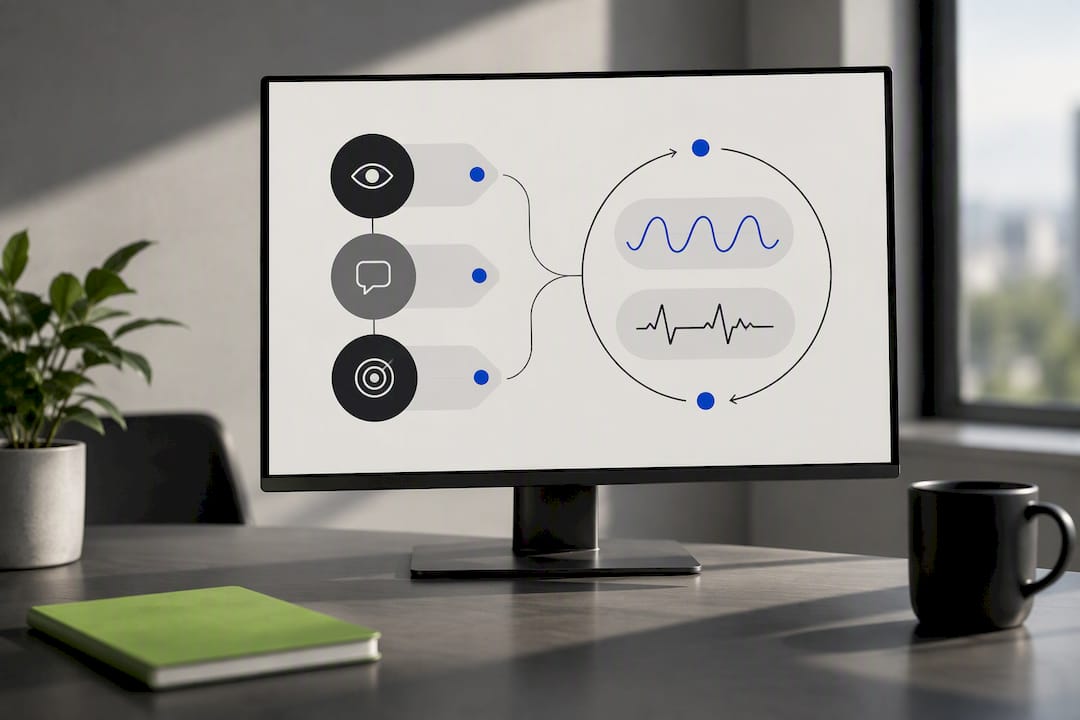
A systematic review and meta-analysis found that psychological skills training, mindfulness, and imagery all produced moderate effects in some analyses, though those effects got shakier once lower-quality studies were removed from the pool. That's worth knowing: these techniques help, but no single one is a guaranteed fix.
Neuroscience-informed methods go a step further. Alpha Imprinting and brainspotting aim to work with the nervous system directly rather than through conscious rehearsal alone, and QEEG brain scans can map activity patterns to personalize a protocol, though assessment quality varies by tool and provider. Matching technique to problem matters: a routine slump often responds to psychological skills training, while a lingering trauma response from a past injury usually needs the neuroscience-based approach.
- Imagery and mental rehearsal, for competition preparation and confidence
- Self-talk retraining and goal-setting, for consistency and focus
- Mindfulness, breathing, and HRV biofeedback, for in-moment anxiety control
- Alpha Imprinting, brainspotting, and QEEG-informed protocols, for trauma and deep mental blocks
What Happens After Sessions: Practice and Real Progress
The between-session homework is where the actual change happens. A meta-analysis found a moderate positive effect at post-test (Hedges' g = 0.57) that grew to a larger effect at short follow-up (Hedges' g = 1.16), suggesting gains often solidify weeks after the sessions end, not during them. That pattern only holds if the practice between sessions actually happens.
Early changes tend to show up as small shifts, sleeping better before competition, catching a negative thought loop before it spirals. Deeper changes, a measurably calmer pre-competition state or a resolved trauma trigger, take longer and show up more reliably at the 8 to 12 session mark.
- Track objective markers: heart rate before competition, performance stats, sleep quality
- Track subjective reports: a simple 1 to 10 confidence or anxiety rating before and after key events
- Reassess the plan every 3 to 6 sessions based on both
Costs, Billing, and Insurance: What to Actually Budget For
Specialized sports psychology work runs on a private-pay model in most cases. Full insurance coverage is uncommon, though some providers issue a superbill, a receipt with diagnostic and procedure codes you submit to your insurer for possible out-of-network reimbursement, though approval isn't guaranteed.
What drives the price: provider credentials, whether assessments like QEEG scans are included, individual versus team format, and regional cost of living all shift the number significantly.
- Individual sessions typically fall within a moderate price range varying by credentials and location
- Team or group workshops price differently than 1:1 work, often as a flat engagement fee rather than per-person
- Assessment-driven protocols, like QEEG brain scans, add a separate one-time cost on top of ongoing sessions
- Budgeting tip: ask whether a multi-week program bundles sessions at a lower effective rate than paying per visit
How to Choose a Sports Psychology Provider
Picking the right provider matters more than picking the "best" technique. Start with a short list of direct questions before you commit money or time.
- What's your license or credential, and what sports have you worked with directly?
- What's a realistic timeline for my specific goal, and how will we know it's working?
- Do you coordinate with coaches or medical staff, and only with my consent?
- What does a typical session actually involve, step by step?
Watch for red flags: vague promises of guaranteed performance gains, pressure to sign a long-term contract before a single session, or claims that sound more like marketing than clinical language. Favor providers who point to published research on their methods, state their scope clearly (performance coaching versus licensed therapy), and post pricing you can see before you book.
Pro Tip: A provider who can explain why a technique works, not just that it works, is usually the one worth trusting with harder problems.
Performance Neuro Training's Approach: A Neuroscience-Based Example
This practice builds its programs around training the nervous system directly rather than relying only on talk-based skills work. The centerpiece is the 12-Week Energy Optimization Program, which pairs the proprietary Alpha Imprinting protocol with structured coaching to clear mental blocks tied to injury and past stress. Brain scans can be used to map nervous system patterns to personalize protocols, and brainspotting sessions target trauma responses that talk therapy alone often can't reach.
Testimonials from athletes describe measurable performance shifts after working through the Alpha Imprinting process, evidence that a neuroscience-first approach can reach problems that standard mental skills training leaves untouched.
- Energy optimization programs for deep, structured work
- Brain scans for personalized protocol design
- Group and team sessions using neuroscience-based methods
- Light therapy consults as a complementary in-home protocol
This maps directly onto the session types discussed earlier: shorter engagements for skill polish, longer neuroscience-driven blocks for anxiety, trauma, or concussion recovery.
When to Try a Short Block vs. Commit to Deeper Work
Start low-pressure: a short block during a routine training phase, not the week before a championship, builds trust in the tools before you need them under pressure. Reserve longer, clinically informed work for trauma, panic, or concussion recovery. Align session timing with your physical coaching calendar so mental and physical training reinforce each other instead of competing for attention.
— Paige
Ready to Start? Here's the Practical Next Step
A short block of 1:1 sessions works well if you're polishing one specific skill. But if performance anxiety, a past injury, or a stuck pattern keeps resurfacing across seasons, that usually points to something a few skills-based sessions won't fully resolve, and it's where a structured, neuroscience-based program earns its cost.
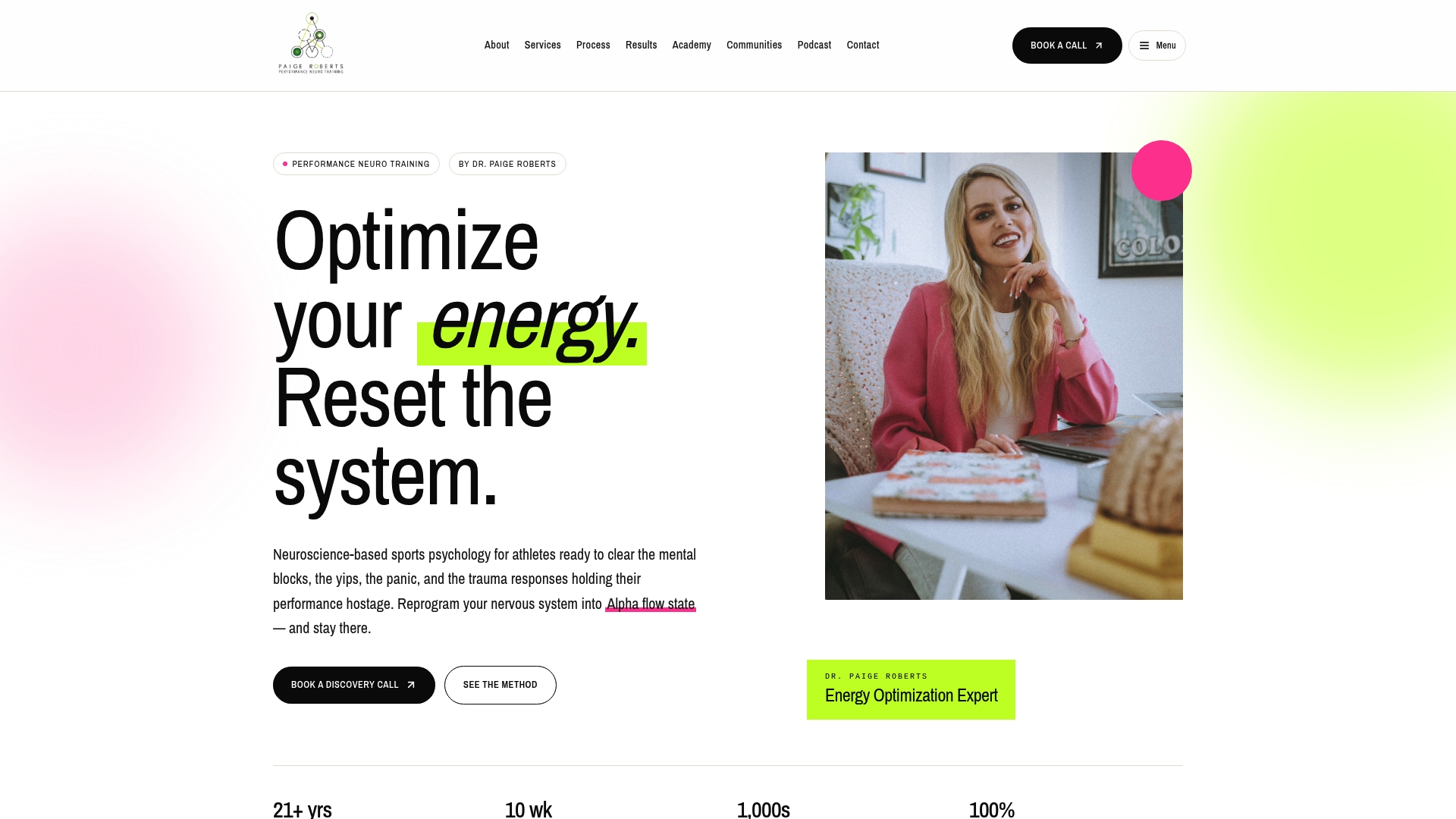
Robertsneurotraining's 12-Week Energy Optimization Program is built for exactly that gap: athletes who've tried standard mental skills work and still hit the same wall in competition. The program combines Alpha Imprinting with structured coaching from Dr. Paige Roberts, who has over 21 years of direct work with Olympic and professional athletes. If you want to know whether a nervous system pattern is driving your performance issue before committing to a full program, start with a QEEG brain scan to see what's actually happening under the surface. Booking starts on the services page, where you can review program details and schedule an initial consult directly.
Sources
- Effects of psychological and psychosocial interventions on sport performance: a meta-analysis
- Effects of psychological interventions to enhance athletic performance: A systematic review and meta-analysis
This article is general information, not a substitute for advice from a qualified doctor. Consult a qualified healthcare professional about your own circumstances before acting on anything here.
FAQ
Is There Real Demand for Sports Psychologists?
Yes, demand has grown steadily as more teams and individual athletes recognize mental performance as trainable, not fixed. Professional leagues, Olympic programs, and even youth academies now regularly staff or refer athletes to sports psychology providers.
What Classes or Training Do You Need for Sports Psychology?
A career in sports psychology typically requires a graduate degree in psychology or kinesiology with a sports psychology focus, plus supervised clinical hours for licensure. Performance-coaching roles that don't involve clinical treatment may require different credentials, so it's worth asking any provider directly about their specific license and scope.
What Are the 4 C's of Sports Psychology?
The "4 C's" commonly cited in coaching and sport psychology are confidence, commitment, control, and concentration, the four mental qualities most training programs try to build. Different programs define and weight these slightly differently, so treat it as a general framework rather than a fixed clinical standard.
What Skills Does a Sports Psychology Provider Need?
Strong providers combine clinical or coaching credentials with direct sports experience, since understanding competition pressure firsthand shapes better technique selection. Look for someone who can explain specific mental performance techniques clearly and match them to your actual problem rather than applying the same protocol to everyone.
How Much Does Performance Neuro Training Cost?
Pricing depends on the program: the 12-Week Energy Optimization Program and Group & Team Alpha Imprinting sessions are each listed at $4,500, while QEEG Brain Scans run $1,500 and One on One Mentoring is $300 per session. Full current pricing for all programs is listed on the site.