

Stress inoculation training (SIT) is a cognitive-behavioral intervention designed to build psychological resilience by teaching coping skills before high-pressure situations occur. Developed by psychologist Donald Meichenbaum in the 1970s, SIT draws on cognitive-behavioral therapy principles to shift how you perceive and respond to stress. The method works through three structured phases: conceptualization, skills acquisition, and application with progressive exposure. Athletes, military personnel, first responders, and clinical patients all use SIT to reduce anxiety, manage PTSD symptoms, and perform under pressure. Understanding how stress inoculation training works gives you a concrete framework for building mental toughness that holds up when it matters most.
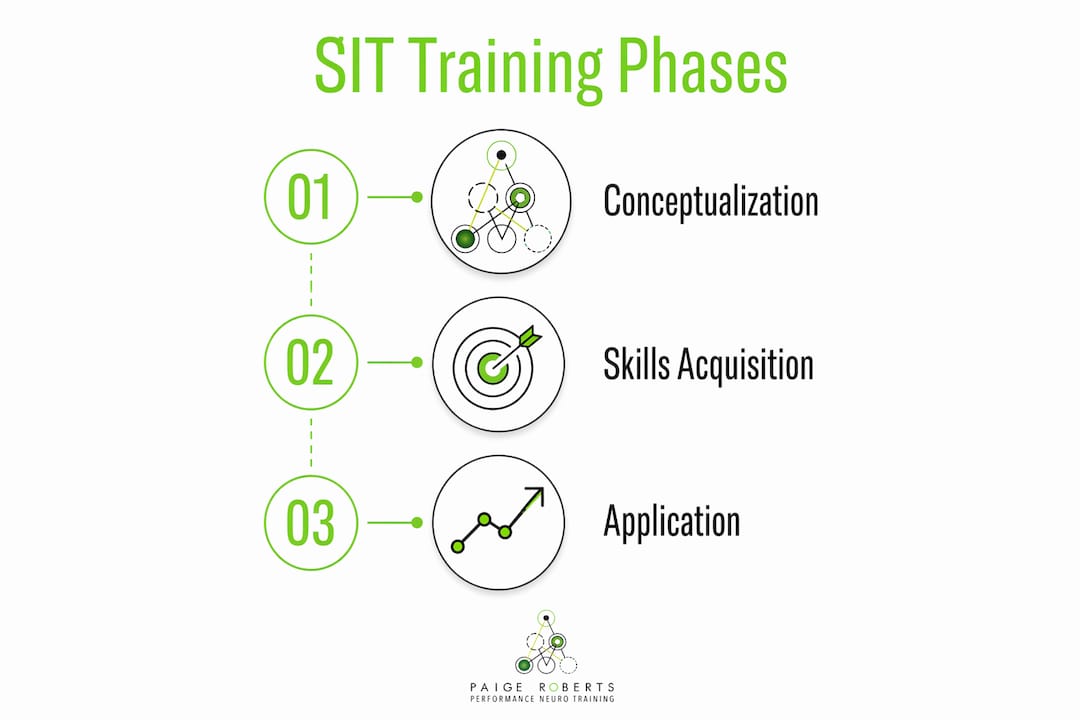
What are the three main phases of stress inoculation training?
SIT is structured in three phases: conceptualization, skills acquisition, and application with progressive real-world exposure. Each phase builds directly on the last. Skipping ahead undermines the whole process.
Phase 1: Conceptualization
The conceptualization phase focuses on understanding your personal stress triggers and the thought patterns that make threats feel bigger than they are. You and your therapist work together to identify specific triggers and the cognitive appraisals that amplify your stress response. This is not passive education. You actively map out what sets you off, what you tell yourself in those moments, and how your body reacts. That map becomes the foundation for everything that follows.
Phase 2: Skills acquisition
Skills acquisition is where you learn and rehearse the tools you will use under pressure. The training covers relaxation techniques, cognitive coping self-statements, and problem-focused strategies. Diaphragmatic breathing, progressive muscle relaxation, and guided imagery address the physiological side. Cognitive restructuring and reframing address the mental side. Critically, skills are rehearsed in session until they feel natural, not just understood intellectually.

Phase 3: Application
The application phase moves you from the therapy room into increasingly real conditions. You start with imaginal exposure, visualizing stressful scenarios while deploying your coping skills. Then you progress to role-play, then to controlled real-world situations. SIT typically requires 8–15 sessions depending on the severity of your stressors and your individual progress. That range reflects the method's flexibility, not a lack of structure.
Pro Tip: Never rush from phase 2 to phase 3. Skills that feel solid in a calm therapy session often fall apart under real pressure. Rehearse until the response is reflexive, not just recalled.
How do personalized coping skills help manage stress effectively?
SIT works because it is individualized to your unique stress profile. Generic stress management advice fails under real pressure because it was never built around your specific triggers. SIT fixes that by matching coping tools to the exact situations that derail you.
The core coping skills taught in SIT fall into three categories:
- Physiological calming: Diaphragmatic breathing, progressive muscle relaxation, and controlled breathing lower cortisol and slow the threat response before it hijacks your thinking.
- Cognitive coping: Self-instruction training teaches you decision rules for coping behavior before, during, and after a stressful event. You learn to coach yourself through pressure rather than freeze or spiral.
- Self-monitoring: You track cognitive, physical, and behavioral stress warning signs to catch the stress response early and deploy skills at the right moment.
The personalization piece is what separates SIT from a generic stress management training program. A competitive athlete managing performance anxiety needs different coping scripts than a trauma survivor managing PTSD triggers. SIT builds the right toolkit for the right person. That specificity is why outcomes hold up under real-world pressure.
Pro Tip: Write your coping self-statements in your own words, not textbook language. Your brain responds faster to phrasing that sounds like you.
What happens during the application phase and how is SIT maintained?
The application phase is where SIT earns its results. Exposure ladders sequence stressors from least to most challenging, producing enough stress for learning without overwhelming you. Early wins at lower stress levels build confidence and make the next step feel achievable.
The progression follows a clear path:
- Imaginal exposure: You visualize the stressful scenario in detail while practicing your coping skills. This primes the nervous system without full real-world risk.
- Role-play: Controlled simulations with a therapist or coach replicate the pressure of real situations. Athletes use this to rehearse competition scenarios. Clinicians use it to simulate social or occupational stressors.
- In vivo exposure: You face the actual stressor in a real setting, with coping skills ready to deploy. The goal is automatic coping under time pressure, not just intellectual recall.
- Relapse prevention: Setbacks are treated as data, not failure. You analyze what happened, adjust your coping plan, and continue. This mindset shift is one of the most underrated benefits of stress inoculation.
- Booster sessions: Periodic follow-up sessions reinforce skills during high-pressure cycles. Simulation-based practice and booster sessions maintain gains over time, especially in performance contexts.
| Application stage | Primary method | Goal |
|---|---|---|
| Imaginal exposure | Visualization with coping scripts | Prime nervous system safely |
| Role-play | Controlled simulation | Build confidence under pressure |
| In vivo exposure | Real-world stressor contact | Automate coping responses |
| Relapse prevention | Setback analysis | Sustain progress long-term |
| Booster sessions | Periodic skill reinforcement | Maintain gains under pressure |
How effective is stress inoculation training for anxiety, PTSD, and performance?
The evidence base for SIT is substantial. A meta-analysis of 37 controlled studies involving over 1,800 people shows SIT consistently reduces anxiety and improves performance under pressure. That is not a single promising trial. It is a pattern across populations, settings, and stressor types.
The neurological mechanism explains why it works. Manageable stress exposures train brain circuits to reduce threat reactions and speed recovery. Repeated controlled exposure strengthens prefrontal regulation over the amygdala's threat response. The brain literally learns that this stressor is survivable. That learning transfers to real situations.
SIT is not a fit for everyone. Candidates need sufficient motivation to engage with exposure exercises and enough cognitive capacity to learn and apply coping scripts under pressure. Athletes managing mental performance challenges respond particularly well because the performance context gives exposure exercises clear, concrete targets. Clinical populations with severe dissociation or active psychosis may need stabilization before SIT is appropriate.
"SIT's key concept is to prepare before the stress hits, expanding coping skills in advance rather than just calming after stress occurs." — Stress Inoculation Training: An Introduction
A common misconception is that a relapse means the training failed. It does not. Relapse is built into the model as a learning event. The athlete or client who treats a bad competition as data, adjusts their coping plan, and continues training is doing exactly what SIT prescribes. That mindset is also central to elite athlete mindset training at the highest levels of sport.
Key Takeaways
Stress inoculation training works by building automatic coping responses through three structured phases: conceptualization, skills acquisition, and progressive real-world exposure tailored to individual stress triggers.
| Point | Details |
|---|---|
| Three-phase structure | SIT moves from trigger mapping to skill rehearsal to real-world exposure in a fixed sequence. |
| Personalized skill matching | Coping tools are selected and rehearsed based on your specific stress profile, not generic advice. |
| Exposure ladders | Stressors are introduced gradually, from imaginal to in vivo, to build confidence without overwhelm. |
| Relapse as data | Setbacks are built into the model as learning events, not signs of failure. |
| Neurological basis | Controlled stress exposure trains the brain to reduce threat reactions and recover faster. |
Why I think most people misunderstand what SIT actually demands
Most people come to stress inoculation training expecting a set of calming techniques they can pull out when things get hard. That framing misses the point entirely. SIT is a preparation protocol, not a rescue kit. The work happens before the pressure arrives, not during it.
What I have seen consistently, working with athletes across performance levels, is that the skills acquisition phase gets rushed. People want to get to the exposure work because it feels more real. But coping skills that are not fully rehearsed collapse under actual pressure. The conceptualization phase also gets undervalued. Knowing exactly which thought pattern triggers your freeze response is not soft work. It is the most precise diagnostic step in the whole process.
The relapse prevention mindset is the piece I advocate for most strongly. Athletes who treat a bad performance as proof that training failed will quit. Athletes who treat it as a data point will adjust and improve. That distinction is not motivational language. It is a structural feature of how SIT is designed to work. Integrating SIT principles into a broader mental reprogramming approach after injury or setback is where I see the most durable results.
SIT also works best when it is not isolated. Pairing it with nervous system training, team psychological safety practices, and performance simulation creates a training environment where coping becomes genuinely automatic. That is the standard worth building toward.
— Paige
Robertsneurotraining and stress resilience training for athletes
Robertsneurotraining, led by Dr. Paige Roberts, applies neuroscience-based methods to build the kind of stress resilience that SIT describes, and then goes further by targeting the nervous system directly.
The flagship method, Alpha Imprinting, reprograms the nervous system to clear mental blocks, performance anxiety, and trauma responses that standard cognitive approaches do not fully reach. Athletes working with Robertsneurotraining also have access to QEEG brain scans that identify the specific neural patterns driving anxiety and avoidance, giving the training a precision that generic stress management programs cannot match. If you are ready to move beyond coping and into genuine performance resilience, the full services overview is the right starting point.
FAQ
What is stress inoculation training?
Stress inoculation training is a cognitive-behavioral intervention developed by Donald Meichenbaum that builds stress resilience through three phases: conceptualization, skills acquisition, and application with progressive exposure.
How many sessions does SIT typically require?
SIT usually requires 8–15 sessions, with the exact number depending on the severity of the stressor and the individual's progress through each phase.
Can SIT help with athletic performance anxiety?
Yes. SIT is used in performance contexts to make coping automatic under pressure through graded rehearsal and realistic simulation, making it well-suited for athletes managing competition anxiety.
What is the difference between imaginal and in vivo exposure in SIT?
Imaginal exposure uses visualization to rehearse coping in a safe setting, while in vivo exposure involves contact with the actual stressor in a real environment, representing the final step in the application phase.
Does a relapse mean stress inoculation training has failed?
No. Relapse prevention is built into SIT's design. Setbacks are treated as learning opportunities, not failures, and are used to refine coping plans and strengthen long-term resilience.