
A well-regulated vagus nerve gives athletes faster heart rate recovery, steadier autonomic control under pressure, and sharper decision-making late in competition. That's not speculation. Measures like heart rate variability (HRV) and heart rate recovery (HRR) track closely with performance and resilience, and interventions like paced breathing, HRV biofeedback, and transcutaneous auricular vagus nerve stimulation (taVNS) produce measurable changes in fatigue and lactate clearance. None of it replaces medical care for underlying heart or autonomic conditions.
TL;DR:
- Structured aerobic training for six weeks can significantly improve heart rate recovery and increase vagal tone, which enhances athletic resilience and performance.
- Post-exercise vagus nerve stimulation via taVNS can reduce blood lactate levels and perceived fatigue, with effects observed in healthy adults but not yet confirmed in elite athletes.
- Real-time HRV and heart rate recovery measurements, when taken consistently with validated devices, help track vagal function and guide recovery strategies effectively.
- Chronic vagal training methods like resonance breathing and HRV biofeedback build baseline resilience over weeks, while acute tools such as cold-face exposure and brief breathing sequences provide immediate nervous system resets.
- Athletes with a history of fainting or cardiac issues should seek medical clearance before engaging in vagal exercises, especially breath-holds, cold immersion, or electrical stimulation, to prevent adverse responses.
Table of Contents
- How the Vagus Nerve Affects Athletes: Anatomy and Mechanisms That Matter for Training
- What Does the Research Say About Vagal Tone and Athletic Recovery?
- How Do Athletes Measure Vagal Function With HRV and HRR?
- Practical Vagal Training Methods: What Actually Works and How to Use Each One
- Vagal Training Safety: Contraindications and Common Mistakes
- How to Integrate Vagal Training Into Your Season Without Disrupting Your Program
- A Practitioner's View on Nervous-System-First Training
- Sources
- FAQ
How the Vagus Nerve Affects Athletes: Anatomy and Mechanisms That Matter for Training
The vagus nerve is the longest cranial nerve in the body, running from the brainstem down through the neck, chest, and abdomen. It's the primary highway of the parasympathetic nervous system, the branch responsible for slowing things down, conserving energy, and repairing tissue after exertion.
What most training articles skip: the vagus nerve carries signal in both directions. That's why gut sensations, breathing patterns, and heart rhythm all feed back into how alert, anxious, or composed you feel on the field. Efferent signaling, the smaller share, is what slows your heart rate and downshifts your stress response once the brain decides it's safe to do so.
Three mechanisms matter most for athletes:
- Cardiac vagal brake. The vagus nerve continuously restrains heart rate through the sinoatrial node. A stronger vagal brake means a lower resting heart rate, a quicker heart rate recovery after sprints or intervals, and a more responsive baroreflex, the system that keeps blood pressure stable when you change position or intensity suddenly.
- Cholinergic anti-inflammatory pathway. Vagal efferents release acetylcholine that dampens cytokine production in immune cells. This matters directly for recovery: less systemic inflammation after hard training sessions generally means less next-day soreness and a faster return to baseline readiness.
- Ascending arousal regulation. Vagal afferents shape activity in brainstem and limbic circuits tied to threat detection. That's the physiological reason a poorly regulated nervous system makes an athlete freeze, overthink, or gas out mentally before the body actually fatigues.
Quick Stat: Six weeks of structured aerobic training is enough to raise cardiac vagal tone and speed up heart rate recovery, according to research summarized in PMC's review of cardiac vagal adaptation to exercise. That's a short enough window that most in-season blocks can absorb it without disrupting sport-specific work.
Here's the part coaches often get backward. The goal isn't to make an athlete permanently calm. A distance runner who's overly parasympathetic before the gun goes off will underperform just as surely as one who's locked in fight-or-flight. What separates elite performers is autonomic agility, the ability to shift states quickly and on demand, not a static resting number. A review connecting vagal function to performance optimization in elite sport frames this as the real target of vagal training: flexibility across the full range of arousal, not permanent relaxation.

What Does the Research Say About Vagal Tone and Athletic Recovery?
The evidence splits into two useful buckets: training-driven changes in baseline vagal tone, and acute interventions that shift vagal activity around a single training session. Both matter, but they answer different questions.
Longitudinal training evidence. The clearest signal comes from aerobic training studies. Over six weeks, structured cardio work measurably increases resting HRV and shortens the time it takes heart rate to drop after exertion, a pattern documented in the cardiac vagus and exercise research noted above. This tracks with what most endurance coaches already sense intuitively: a fitter athlete's heart rate collapses back to baseline faster after a hard rep. The physiological reason is a stronger cardiac vagal brake, not just better cardiovascular conditioning in the general sense.
taVNS and acute recovery. The more novel evidence involves noninvasive vagus nerve stimulation delivered through the ear. In one controlled study, 20-minute taVNS sessions applied right after exercise measurably increased parasympathetic activity and reduced blood lactate more than a control condition, with lactate dropping notably more in the stimulation group than in controls, according to the taVNS post-exercise trial published in PMC. Participants also reported lower perceived fatigue. That's a meaningful acute effect, though it comes from a study of healthy adults rather than elite competitors specifically, so translating it directly to podium-level athletes still involves some inference.
HRV biofeedback. Separate research on brief HRV biofeedback and resonance-frequency breathing shows measurable increases in HRV and in interoceptive markers like heartbeat-evoked potentials after structured practice, based on findings summarized in research on HRV biofeedback and interoception. These changes build over weeks of consistent practice rather than appearing after a single session.
At-home feasibility. A pilot randomized trial testing self-administered, at-home taVNS found the approach was feasible and safe in a small sample, with efficacy signals for fatigue-related symptoms described as tentative rather than confirmed, per the pilot at-home taVNS study on PubMed. Ongoing registered trials, including Clinicaltrials, are actively expanding this evidence base.
What's realistic to expect, based on the current research:
- Small to moderate improvements in heart rate recovery time after 6 or more weeks of aerobic base work.
- Measurable but modest reductions in perceived fatigue and blood lactate immediately after taVNS sessions timed post-exercise.
- Gradual HRV gains from consistent biofeedback practice, typically over 6 to 10 weeks, not overnight.
- Better subjective stress tolerance under competitive pressure, though this is harder to quantify than cardiac metrics.
Quick Stat: Most of the taVNS and biofeedback research above comes from small samples of healthy adults, not elite athlete cohorts. Treat the effect sizes as a reasonable estimate of what's achievable, not a guarantee specific to your sport or competitive level.
How Do Athletes Measure Vagal Function With HRV and HRR?
You don't need a lab to track vagal function. You need consistency, a decent device, and a clear read on what the numbers actually mean.
HRV basics. The most common field metric is RMSSD, a time-domain measure of the beat-to-beat variation in your heart rhythm. Higher RMSSD generally reflects greater parasympathetic influence on the heart. Morning resting HRV, taken immediately after waking while still lying down, gives the cleanest signal because it's uncontaminated by digestion, caffeine, or movement.
Field HRR protocols. Heart rate recovery is simpler to collect and arguably more actionable for coaches. After an all-out effort, such as a maximal sprint or interval, record heart rate at 30 and 60 seconds post-effort. A steeper drop indicates stronger vagal reactivation. Track this number across a training block the same way you'd track a 40-yard time.
- Warm up and perform a standardized max effort (same protocol every test).
- Record heart rate immediately at peak effort.
- Record heart rate again at 30 seconds and 60 seconds post-effort.
- Log the drop in beats per minute for both intervals.
- Repeat weekly under matched conditions (same time of day, hydration, prior sleep).
Device selection. Chest straps using electrocardiogram-grade sensors remain the gold standard for HRV accuracy. Validated wrist-based optical sensors have closed much of the gap in recent years but still struggle during high-motion activity, so pair wrist data with chest-strap spot checks if precision matters. Dedicated HRV apps that use the camera flash or a chest strap tend to outperform generic fitness-tracker HRV scores, which are often smoothed or algorithmically adjusted in ways that hide day-to-day changes.
Pro Tip: Ignore single-day HRV swings. A downward trend across 3 to 5 consecutive days, especially paired with elevated resting heart rate, is the signal that should trigger a lighter training day or an extra recovery session. Coaches using a 90-seconds-a-day HRV protocol often build this exact decision rule directly into weekly planning.
Practical Vagal Training Methods: What Actually Works and How to Use Each One
Not every vagal method does the same job. Some calm you down in the next two minutes. Others build baseline resilience over weeks. Knowing which is which keeps you from using a chronic-strengthening tool when you actually need acute arousal control, or vice versa.
Resonance-frequency breathing. This is slow, paced breathing at roughly 5 to 6 breaths per minute, the rate that maximizes the natural oscillation between heart rate and breathing known as respiratory sinus arrhythmia. A typical session runs 10 to 20 minutes. Most athletes notice a subjective calming effect within the first session, but the deeper adaptation in resting HRV tends to build over several weeks of daily practice, consistent with the biofeedback findings noted in research on HRV biofeedback and interoception.
HRV biofeedback. This layers real-time HRV feedback onto the breathing practice, letting you see your heart rhythm respond in real time on a screen or app. Programs generally run 2 to 3 sessions per week, 20 to 30 minutes each, sustained for 6 to 10 weeks. That's a longer commitment than most athletes expect, but it's also the method with the most consistent evidence for durable HRV gains rather than one-off relaxation.
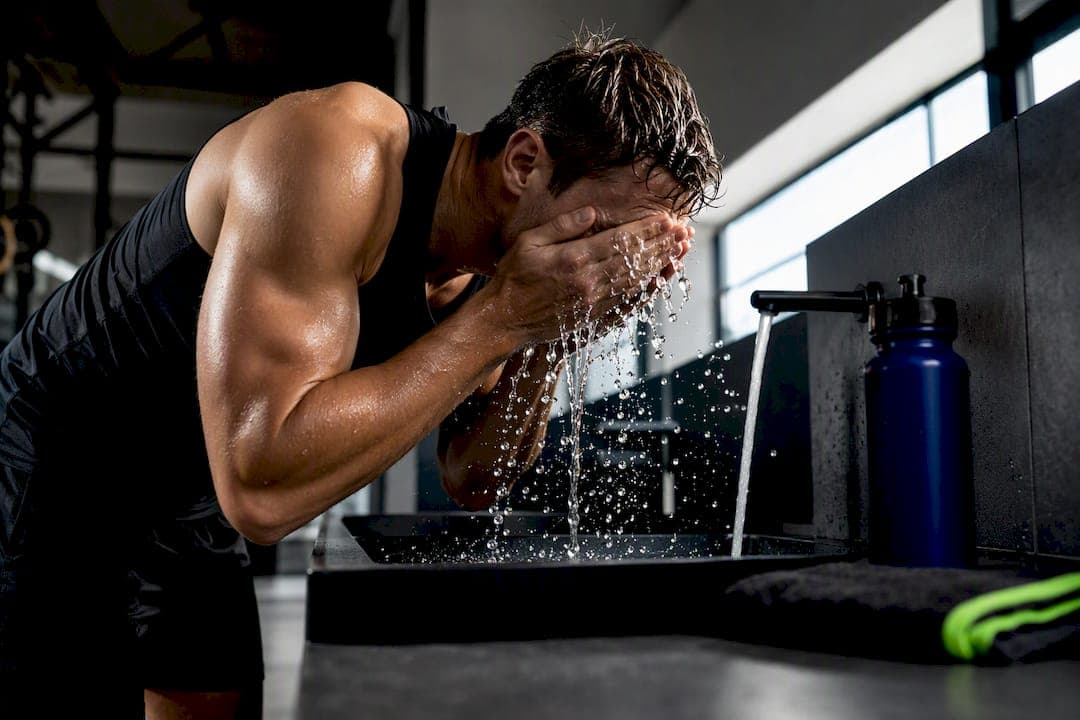
Cold-face and cold immersion. Brief cold exposure to the face or neck triggers the mammalian dive reflex, a rapid parasympathetic surge that drops heart rate almost immediately. This is an acute tool, not a chronic-strengthening one. Start with short, mild exposures, splashing cold water on the face for 15 to 30 seconds, before progressing to anything longer or colder. Aggressive full-body cold immersion without a gradual buildup carries real risk for athletes prone to fainting, a point worth taking seriously given how popular cold plunges have become in recovery culture.

Transcutaneous auricular vagus nerve stimulation (taVNS). These are small, noninvasive devices that clip to the outer ear and deliver mild electrical stimulation to a vagal branch near the skin's surface. In research settings, sessions run 20 to 30 minutes, either post-exercise or daily, and the post-exercise taVNS trial found measurable reductions in lactate and fatigue compared to sham stimulation. Access is still limited mostly to research-grade or consumer-marketed devices rather than clinical prescriptions, and a pilot at-home taVNS trial confirmed feasibility and safety in a small supervised sample, so at-home use should stay conservative until larger trials confirm dosing.
Choosing between them comes down to timing:
- Need to settle nerves 90 seconds before you compete? Use cold-face exposure or a short breathing sequence, not biofeedback.
- Trying to build a stronger baseline over a full training block? HRV biofeedback and daily resonance breathing are the tools with durable evidence.
- Recovering from a specific hard session? Post-exercise taVNS or paced breathing both show acute benefit, but taVNS access and cost make breathing the more practical default for most athletes.
Pro Tip: Don't stack all four methods on the same day when you're first starting. Pick one acute tool and one chronic tool, run them for two weeks, and track HRV and HRR before adding anything else. Piling on multiple novel interventions at once makes it impossible to tell what's actually working.
Vagal Training Safety: Contraindications and Common Mistakes
Vagal work is generally low-risk, but it isn't risk-free, and the mistakes that happen tend to happen fast.
Athletes with a history of syncope (fainting), implanted cardiac devices, or uncontrolled arrhythmia should get medical clearance before starting breath-hold work, cold immersion, or taVNS. These populations are more prone to an exaggerated vagal response that drops blood pressure and heart rate too quickly, producing a vasovagal episode. The Cleveland Clinic's overview of vagus nerve function lists fainting, unexplained heart rate changes, and chronic digestive symptoms as red flags warranting medical evaluation before self-directed vagal training.
The most common mistake is going too hard, too soon. Long breath holds and extended cold immersion both risk triggering an outsized parasympathetic surge in susceptible athletes, and the safest path is to start at low intensity, 2 to 5 minutes, and build gradually rather than jumping to advanced protocols seen online.
Quick Stat: Vagal maneuvers like the Valsalva technique are established clinical tools for interrupting rapid heart rhythms, with a reported 20 to 40% success rate for reverting supraventricular tachycardia in medical settings. That context matters: these are genuinely powerful physiological levers, not gentle wellness rituals, and they deserve the same respect you'd give any tool that meaningfully alters heart rhythm.
On the device side, taVNS units marketed to consumers are largely investigational for athletic performance rather than FDA-cleared for that specific use. If you have any cardiac history, talk to a physician before adding electrical stimulation near the vagus nerve to your routine. Otherwise, the rollout rule is simple: start low, track your heart rate and any dizziness or lightheadedness, and increase duration only after several clean sessions.
How to Integrate Vagal Training Into Your Season Without Disrupting Your Program
Vagal work only helps if it fits around your actual training load, not on top of it as one more obligation competing for recovery time.
Off-season block. This is where you build baseline capacity. Run daily breathing practice, 10 to 15 minutes, alongside two HRV-biofeedback sessions per week for a 6-week block. Off-season volume is lower and recovery demands are more forgiving, which makes this the ideal window to let vagal adaptations actually consolidate. A structured approach like the one outlined in Roberts Neurotraining's nervous system conditioning guide walks through pairing this kind of block with existing strength and conditioning calendars.
Pre-competition taper. Shrink the routine. Drop to a shorter daily regulation practice, 5 to 8 minutes, and consider micro-dosing recovery tools like post-session breathing or brief taVNS if you've already established it's safe and tolerated for you specifically. This is not the time to introduce anything new.
- Two weeks out: shift to shorter daily sessions, monitor HRV trend, hold training load steady.
- One week out: keep the short routine, add a single pre-sleep breathing session on travel days.
- Competition day: run a 2 to 5 minute breathing or priming sequence 20 to 30 minutes before warm-up.
- Between rounds or events: repeat a compressed 60 to 90 second version as a reset.
Competition-day micro-routine. A 2 to 5 minute paced-breathing sequence before warm-up primes the nervous system without draining energy reserves. Coaches working with teams can use the same breathing cadence as a group cue, which tends to entrain the whole squad toward a shared, steadier arousal state before a shared moment, like a tip-off or a kickoff.
Decision rules. If your morning HRV trend drops for three or more consecutive days while resting heart rate climbs, that's your cue to pull back training intensity or add a recovery day, not push through. Persistent unexplained drops that don't respond to a lighter week are worth a conversation with a coach or practitioner rather than more self-directed troubleshooting. Programs built around performance state management generally formalize this exact trigger into their weekly review process.
Pro Tip: Build your vagal routine around an existing habit you never skip, brushing your teeth, lacing up for practice, so it rides on a cue you already have instead of competing for willpower on a tired day.
A Practitioner's View on Nervous-System-First Training
Most athletes chase mental skills, visualization, confidence cues, breathing scripts, while their nervous system is still stuck in a dysregulated state from an old injury or a bad competitive experience. That sequencing is backward. Cognitive tools only transfer reliably once the underlying autonomic state is regulated first, which is the bottom-up principle behind Roberts Neurotraining's Alpha Imprinting approach.
The practice builds around this gap by pairing QEEG brain mapping with Alpha Imprinting and light therapy to identify where an athlete's nervous system is holding a stress or trauma pattern, then retrains it directly rather than layering mindset work on top of unresolved dysregulation. Outcomes include athletes describing measurable shifts in composure and flow state after this kind of nervous-system-first work, though those are individual clinic-reported experiences rather than published trial data.
Self-directed breathing and HRV biofeedback genuinely help most athletes. But when panic responses, performance anxiety, or old trauma patterns keep resurfacing despite consistent vagal practice, that's usually the signal a practitioner-guided approach is worth exploring rather than another month of solo protocols.
— Paige
This article is general information, not a substitute for advice from a qualified doctor. Consult a qualified healthcare professional about your own circumstances before acting on anything here.
Sources
- Cardiac Vagus and Exercise (PMC)
- Vagus nerve: what it is, function, location & conditions (Cleveland Clinic)
FAQ
What Is the Quickest Way to Reset Your Vagus Nerve?
The fastest acute reset is a brief cold-face exposure, splashing cold water on your face for 15 to 30 seconds, which triggers the dive reflex and drops heart rate almost immediately. A short breathing sequence, 2 to 5 minutes at a slow pace, works nearly as fast and carries less risk for athletes prone to lightheadedness.
Why Do Athletes Have High Vagal Tone?
Regular aerobic training strengthens the cardiac vagal brake, the mechanism that slows heart rate and speeds recovery after exertion. Research shows six weeks of structured aerobic work is enough to measurably increase cardiac vagal tone and heart rate recovery, which is why trained athletes typically show lower resting heart rates and faster post-effort recovery than untrained people.
What Are the Symptoms of a Weak Vagus Nerve?
Signs of vagal dysfunction include chronic digestive issues, unexplained heart rate changes, fainting spells, and changes in swallowing or voice, according to the Cleveland Clinic's clinical overview. Any of these symptoms, especially fainting or persistent heart rhythm changes, warrant a medical evaluation rather than a self-directed training adjustment.
Can Exercise Irritate the Vagus Nerve?
Exercise itself doesn't damage the vagus nerve, but extreme exertion combined with aggressive breath-hold techniques or sudden position changes can trigger an exaggerated vagal response, causing dizziness or fainting in susceptible individuals. Athletes with a history of syncope or cardiac arrhythmia should get medical clearance before combining intense training with vagal maneuvers like breath holds or cold immersion.
How Does Vagus Nerve Stimulation Help Athletic Recovery?
Transcutaneous auricular vagus nerve stimulation (taVNS), delivered through a noninvasive ear clip, increased parasympathetic activity and reduced blood lactate and perceived fatigue when applied for 20 minutes after exercise in a controlled study. The evidence so far comes from small samples of healthy adults, so effects in elite athlete populations specifically still need larger confirmatory trials.