

Mental imagery in physical recovery is defined as the deliberate practice of vividly imagining movement, healing, and performance to activate the brain's motor and sensory pathways without physical exertion. The role of visualization in injury rehabilitation goes far beyond positive thinking. Research confirms that imagined movement fires the same neural circuits as actual movement, which means your brain keeps practicing even when your body cannot. This makes visualization one of the most underused tools in sports injury recovery. Combined with conventional therapy, it reduces pain, lowers fear of re-injury, and accelerates your return to full performance.
How does visualization activate the brain to support physical recovery?
Mental imagery activates the same neural pathways as physical movement, maintaining motor cortex activity during periods of immobilization. This is the neurological foundation that makes visualization far more than a mental exercise. When you picture yourself performing a squat or throwing a ball, your motor cortex, cerebellum, and sensory areas all fire in patterns nearly identical to the real movement.
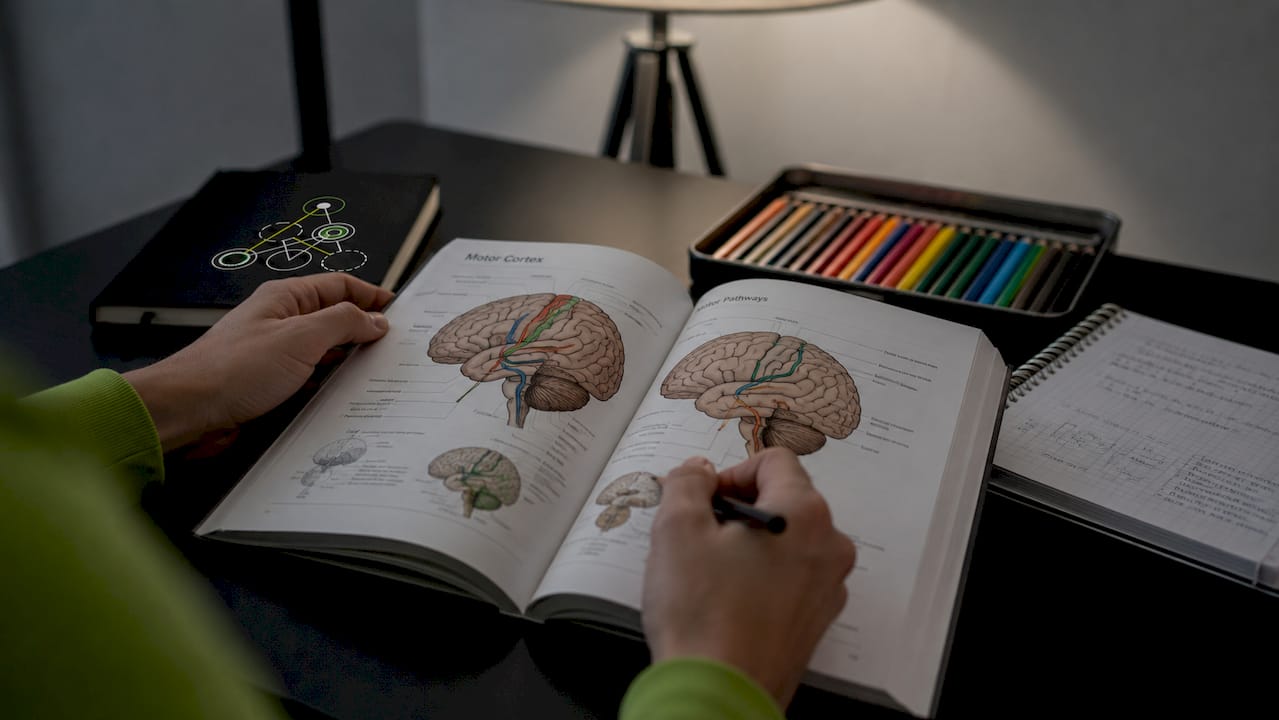
Neuroplasticity is the brain's ability to reorganize and strengthen neural connections based on experience. During injury, when physical movement stops, those connections weaken fast. Visualization directly counters that "use it or lose it" process by keeping motor patterns active and intact.
The distinction between imagery types matters here:
- Internal imagery places you inside your own body, feeling the movement from a first-person perspective. This type produces stronger sensorimotor activation.
- External imagery has you watching yourself perform from a third-person viewpoint, like watching film of yourself. It is easier for beginners and a good starting point.
Internal imagery produces stronger sensorimotor cortex activation than external imagery. That difference in neural engagement is why practitioners recommend starting with external imagery and progressing to internal as your confidence grows.
Pro Tip: When you practice internal imagery, close your eyes and focus on the physical sensations of the movement, the muscle tension, the joint angle, and the feeling of weight shifting. The more sensory detail you add, the stronger the neural signal.
What are the psychological benefits of visualization for pain and fear?
Fear of re-injury, known clinically as kinesiophobia, is one of the most significant barriers to full recovery after a sports injury. Athletes who develop kinesiophobia often avoid movements that are actually safe, which slows physical progress and extends time away from sport. Visualization directly addresses this barrier.
Visualization functions as controlled exposure therapy, systematically reducing anxiety by mentally rehearsing pain-free, successful movement. Each repetition of a successful mental rehearsal builds a new reference point in your nervous system. Over time, your brain stops associating that movement with danger.
The psychological benefits extend well beyond fear reduction:
- Pain modulation: Imagining healing, reduced inflammation, or comfortable movement shifts the brain's pain processing. A meta-analysis of 11 randomized controlled trials found imagery therapy produced a pain reduction effect size of SMD = -1.54 after ACL reconstruction.
- Confidence building: Mentally completing a movement successfully before attempting it physically primes your nervous system for success.
- Motivation maintenance: Visualization keeps you mentally engaged with your sport during long recovery periods, reducing the psychological toll of being sidelined.
- Anxiety reduction: Structured imagery lowers stress hormones and calms the nervous system's threat response.
"Visualization systematically lowers stress and builds confidence for return to play by allowing athletes to mentally rehearse pain-free movement before attempting it physically. This controlled mental exposure rewires the fear response at the neurological level."
The psychological effects of injury rehabilitation are often underestimated. Addressing fear and anxiety through visualization is not optional. It is a core part of getting back to full performance.
What is the evidence-based guidance for integrating visualization into rehab?
The research on visualization techniques for rehab is clear on one point: consistency and structure determine outcomes. Sporadic practice produces minimal results. Structured protocols produce measurable gains.
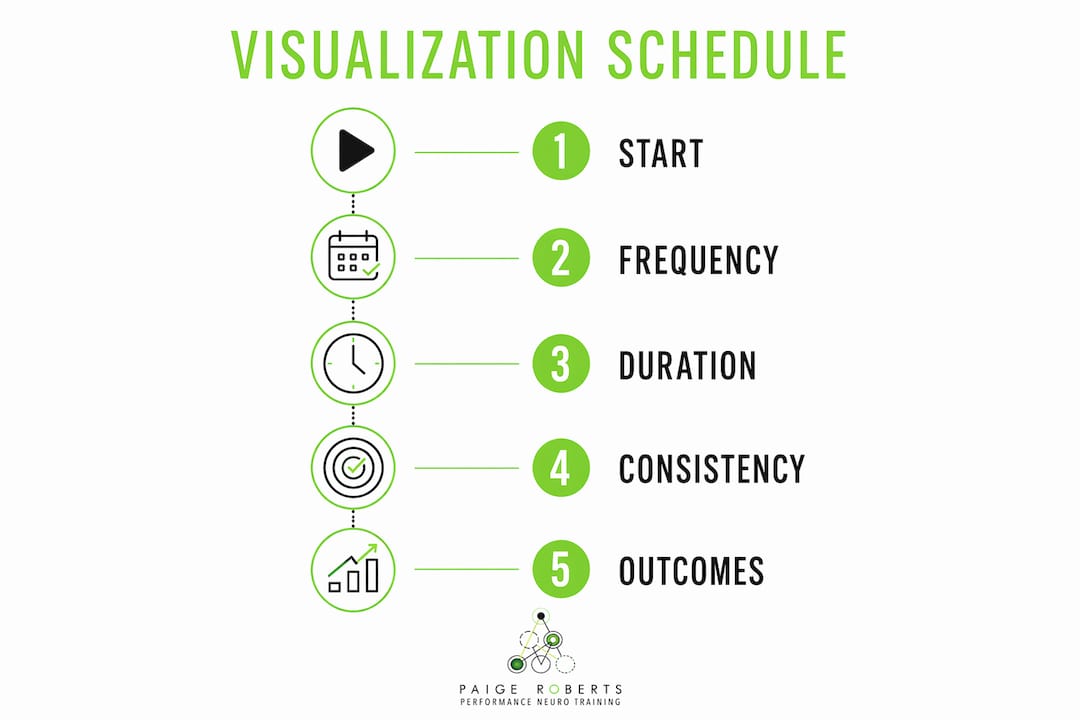
A systematic review drawing on 12 studies and 526 individuals found that 3x per week visualization over 24 weeks effectively reduces kinesiophobia and improves psychological readiness in ACL reconstruction rehabilitation. That is a significant time commitment, but the functional and psychological gains justify it.
For rotator cuff injuries, graded motor imagery added to post-operative rehabilitation reduces pain and kinesiophobia within just 3 weeks, with effect sizes of d = -2.55 for pain and d = -3.18 for kinesiophobia. Those are large effects for a short intervention period.
Recommended integration framework
- Start during immobilization. Do not wait until you are cleared for physical therapy. Visualization during the immobilization phase preserves neural pathways and mitigates muscle atrophy before active therapy begins.
- Use graded motor imagery. Begin with recognizing body positions in images, progress to imagining movement, then advance to mirror therapy or intensive visual simulation.
- Pair with physical therapy sessions. Visualization is most effective as an adjunct to conventional rehabilitation, not as a standalone practice. Physical therapists recommend integrating it directly into your existing program.
- Progress from external to internal imagery. Start by watching yourself perform movements, then shift to feeling them from the inside as your comfort increases.
- Track your sessions. Log what you visualized, how vivid it felt, and any emotional responses. This data helps you and your therapist adjust the protocol.
| Injury type | Recommended frequency | Key outcome |
|---|---|---|
| ACL reconstruction | 3x per week, up to 24 weeks | Reduced kinesiophobia, improved readiness |
| Rotator cuff repair | 3x per week, minimum 3 weeks | Pain reduction, improved function |
| General immobilization | Daily, short sessions | Neural pathway preservation |
Pro Tip: Schedule your visualization sessions at the same time each day, ideally right before or after your physical therapy exercises. Pairing mental and physical practice strengthens the neural connection between imagined and real movement.
What are practical visualization techniques for sports injury recovery?
Knowing the science is one thing. Knowing exactly what to do during a 15-minute session is another. These techniques are organized by rehab phase so you can apply them from day one.
Early phase: immobilization and acute recovery
During the first days or weeks when movement is restricted, focus on healing imagery and basic motor preservation.
- Healing visualization: Close your eyes and picture the injured tissue repairing itself. Imagine blood flow increasing to the area, inflammation reducing, and cells regenerating. This is not magic. It engages the autonomic nervous system and can shift your body's stress response.
- Mirror therapy: Place a mirror so it reflects your uninjured limb. Move the healthy limb while watching the reflection. Your brain interprets the reflection as the injured limb moving, which activates motor circuits on the injured side.
- Passive motor imagery: Lie still and mentally rehearse simple movements of the injured area, like flexing your knee or rotating your shoulder, without any physical effort.
Mid phase: active rehabilitation
As physical therapy begins, visualization should mirror your actual exercises.
- Pre-exercise mental rehearsal: Before each physical therapy exercise, spend 60–90 seconds visualizing yourself completing it with perfect form and no pain. Then perform the exercise.
- Multisensory imagery: Add sound, smell, and touch to your mental rehearsals. Imagine the sound of your shoes on the court, the feel of the ball in your hands, and the smell of the gym. Richer imagery produces stronger neural activation.
- Golf awareness exercises and similar sport-specific focus drills can sharpen attentional control during this phase, keeping your mind sharp for the demands of your sport.
Late phase: return to sport preparation
This phase is about rebuilding confidence and sport-specific patterns.
- Full performance rehearsal: Visualize complete game scenarios, including pressure situations, crowd noise, and competitive moments. Practice these mentally before you face them physically.
- Internal imagery progression: By this phase, all visualization should be internal, feeling every movement from inside your body with full sensory detail.
Pro Tip: Record a short audio script of your visualization session and play it back with headphones. Hearing your own voice guide you through the imagery deepens focus and makes the practice more consistent.
Key takeaways
Visualization works in injury rehabilitation because it activates the brain's motor pathways, reduces fear of movement, and builds the mental resilience needed for a full return to sport.
| Point | Details |
|---|---|
| Neural activation during rest | Mental imagery fires the same motor circuits as physical movement, preserving neural pathways during immobilization. |
| Fear reduction through imagery | Visualization acts as controlled exposure therapy, reducing kinesiophobia and anxiety about re-injury. |
| Structured frequency matters | Research supports 3 sessions per week over extended periods for measurable psychological and functional gains. |
| Progress imagery types | Start with external (third-person) imagery and advance to internal (first-person) for stronger sensorimotor activation. |
| Adjunct, not replacement | Visualization produces the best outcomes when paired with conventional physical therapy, not used alone. |
Why I believe visualization is the missing piece in most rehab programs
Most athletes I work with arrive at Robertsneurotraining having done everything their physical therapist prescribed. Their tissue has healed. Their strength numbers look good. But they still hesitate at the moment of truth, the first cut, the first throw, the first contact. That hesitation is not a physical problem. It is a nervous system problem.
The standard rehab model treats the body and largely ignores the brain's role in fear, confidence, and motor readiness. Visualization is not a soft add-on. It is the mechanism by which you retrain your nervous system to trust the repaired tissue. Without it, you are sending a physically recovered athlete back into competition with a nervous system still wired for protection and avoidance.
The biggest misconception I encounter is that visualization requires talent or a special mental gift. It does not. It requires practice and structure, the same as any physical skill. Athletes who commit to mental reprogramming during recovery consistently return to sport faster and with greater confidence than those who skip it.
My honest recommendation: treat your visualization sessions with the same seriousness as your physical therapy appointments. Show up, do the work, and track your progress. The brain responds to repetition, and every session builds on the last.
— Paige
How Robertsneurotraining supports your recovery with Alpha Imprinting
Recovery does not end when the tissue heals. The nervous system needs its own rehabilitation, and that is exactly what Robertsneurotraining addresses.

Dr. Paige Roberts developed Alpha Imprinting specifically to reprogram the nervous system patterns that hold athletes back after injury. This method goes deeper than standard visualization by targeting the autonomic nervous system responses, including panic, anxiety, and trauma, that standard rehab programs never touch. Athletes from Olympic medalists to professional league competitors have used Alpha Imprinting to clear mental blocks and return to a state of flow. If your body has healed but your performance has not fully returned, your nervous system is the next frontier.
FAQ
What is the role of visualization in injury rehabilitation?
Visualization activates the brain's motor and sensory pathways during physical recovery, preserving neural connections and reducing fear of re-injury. It functions as both a neurological and psychological tool that accelerates return to sport.
How often should I practice visualization during rehab?
Research supports a minimum of 3 sessions per week for measurable outcomes, with successful ACL and rotator cuff programs running this frequency for up to 24 weeks.
Can visualization reduce pain after surgery?
Yes. A meta-analysis of 11 randomized controlled trials found imagery therapy produced a large pain reduction effect size of SMD = -1.54 following ACL reconstruction surgery.
What is the difference between internal and external imagery?
Internal imagery places you inside your body feeling the movement, while external imagery has you watching yourself from the outside. Internal imagery produces stronger sensorimotor activation and is the goal for advanced rehab stages.
When should I start visualization after a sports injury?
Start as early as possible, including during immobilization. Early visualization preserves motor neural pathways and reduces muscle atrophy before active physical therapy begins.