
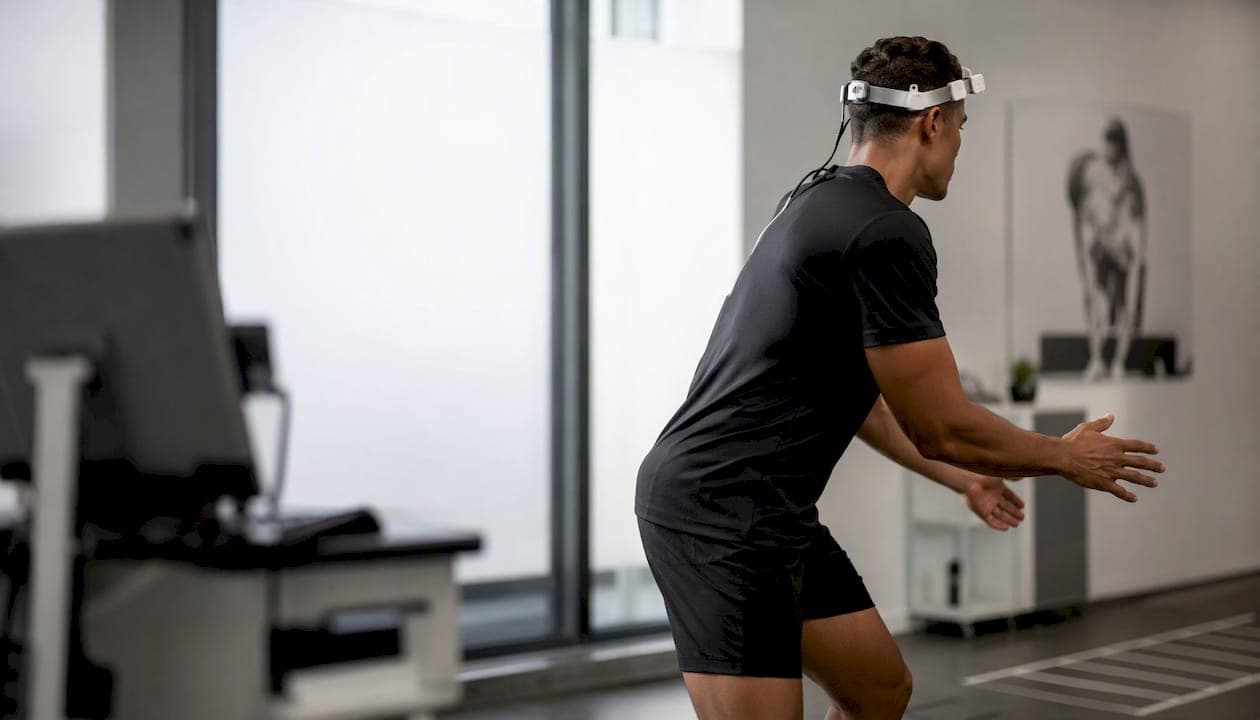
For athletes seeking neuroscience-based performance and recovery, Robertsneurotraining (Performance Neuro Training with Alpha Imprinting) is the strongest pick among the realistic alternatives in this space. It combines a proprietary nervous system protocol with telehealth delivery, qEEG-informed baselines, and documented outcomes from professional and Olympic-level athletes.
The realistic field of alternatives includes:
- Performance neurotraining (Alpha Imprinting): Targets panic, anxiety, and trauma responses that block athletic flow, using nervous system reprogramming rather than generic mental skills coaching.
- EEG-based neurofeedback clinics: Train brainwave patterns through real-time feedback; strong for attention and cognitive control, variable in sport-specific transfer.
- qEEG benchmarking services: Objective brain mapping used as a diagnostic baseline or readiness monitor, often paired with other interventions.
- TES/tDCS programs: Transcranial electrical stimulation applied to motor and cognitive targets; mechanistically promising, still building an elite-athlete evidence base.
- Integrated neurotech platforms: Combine portable EEG, eye-tracking, HRV, and VR-based drills into multi-modal training environments.
Table of Contents
- Which approach fits your situation? A side-by-side comparison
- How do you choose the right neuroscience performance provider?
- What does a typical program actually look like?
- What does the peer-reviewed evidence actually say?
- How to trial a service without overcommitting
- Key Takeaways
- What most athletes miss when evaluating neurotraining programs
- Robertsneurotraining: where to start if you're ready to act
- Useful sources
Which approach fits your situation? A side-by-side comparison
| Approach | Best for | Core method | Delivery | Evidence level | Pricing model | Trial options |
|---|---|---|---|---|---|---|
| Performance neurotraining (Alpha Imprinting) | Athletes with performance anxiety, trauma, or injury-related mental blocks | Nervous system reprogramming; proprietary Alpha Imprinting protocol | Telehealth + in-home devices | Athlete case studies; qEEG-informed | Package / 10-week program | Baseline qEEG screen; 3-session pilot |
| EEG-based neurofeedback clinics | Attention, focus, and cognitive control training | Real-time brainwave feedback (alpha, SMR, theta bands) | In-person clinic; some telehealth | Peer-reviewed; limited sham controls | Per-session or package | Single-session demo |
| qEEG benchmarking services | Baseline mapping, readiness monitoring, return-to-play | Topographic brain mapping + physiometrics | In-person or portable field assessment | Correlates with performance metrics | Per-assessment | One-time baseline consult |
| TES / tDCS programs | Motor learning, endurance, fatigue recovery | Transcranial electrical stimulation (1–2 mA) | In-person lab or device-based home use | Promising; needs more elite-athlete RCTs | Per-session or device sale | Safety screening consult |
| Integrated neurotech platforms | Multi-modal cognitive and sensory training | EEG + eye-tracking + HRV + VR drills | Field-based or clinic | Emerging; sport-specific transfer shown in small studies | Platform subscription or device bundle | Demo or pilot package |
Quick pros and cons:
- Performance neurotraining: Pro: addresses root nervous system patterns, not just surface symptoms. Con: proprietary protocol means independent replication data is limited.
- EEG neurofeedback clinics: Pro: the most studied approach for attention and cognitive control. Con: fewer than one-third of studies use active sham protocols, so placebo effects are hard to rule out.
- qEEG benchmarking: Pro: objective, reproducible baseline. Con: a map without an intervention is just data.
- TES/tDCS: Pro: non-invasive and increasingly portable. Con: parameter-sensitive; irresponsible providers skip informed consent and contraindication screening.
- Integrated neurotech platforms: Pro: ecological validity from multi-modal training. Con: higher cost and artifact risk with portable dry-electrode systems.
How do you choose the right neuroscience performance provider?
Start with what you can measure, not what sounds impressive. A provider who cannot hand you an objective baseline on day one is asking you to trust marketing copy.
- Confirm they use an objective baseline. A qEEG or physiometric panel (HRV, GSR, respiration) before session one is non-optional. Without it, you have no way to measure change.
Red flags: vague outcome language ("you'll feel more focused"), no objective baseline, no athlete-specific case studies, and refusal to share protocol parameters.
Pro Tip: Ask for a one-page pilot plan in writing before signing anything. It should name the assessment tool, the outcome metrics, the session count, and what "success" looks like at the end. If a provider cannot produce that document, keep looking.
For more on mental performance optimization techniques that pair with neurotraining, the Robertsneurotraining blog covers practical drills coaches can layer in alongside any program.
What does a typical program actually look like?
Most credible programs follow a three-phase structure: assess, train, measure.
Intake and baseline typically take one to two sessions. You complete a medical and psychological history, then undergo a qEEG mapping session or a portable sensor screen during sport-specific functional tasks. Research with Division-I athletes shows that real-time qEEG during functional activities can benchmark attention, workload capacity, and sensorimotor rhythm asymmetries, giving practitioners a starting point that is tied to actual athletic demands rather than a resting-state snapshot.
Training sessions run weekly or bi-weekly, with formats ranging from 45-minute telehealth coaching calls to in-clinic neurofeedback or device-supported home protocols. Most structured programs run 6–10 weeks. Early gains in attention and anxiety reduction often appear within the first three to four sessions; consolidation of performance transfer typically takes the full program length.
Measurement at program end should include a post-qEEG or repeat physiometric panel, plus sport-specific drills or decision-making tasks that mirror competition conditions. Providers who only report subjective wellbeing scores at the end are not giving you enough to evaluate whether the program worked. For return-to-sport readiness, objective metrics matter as much at the finish line as at the start.
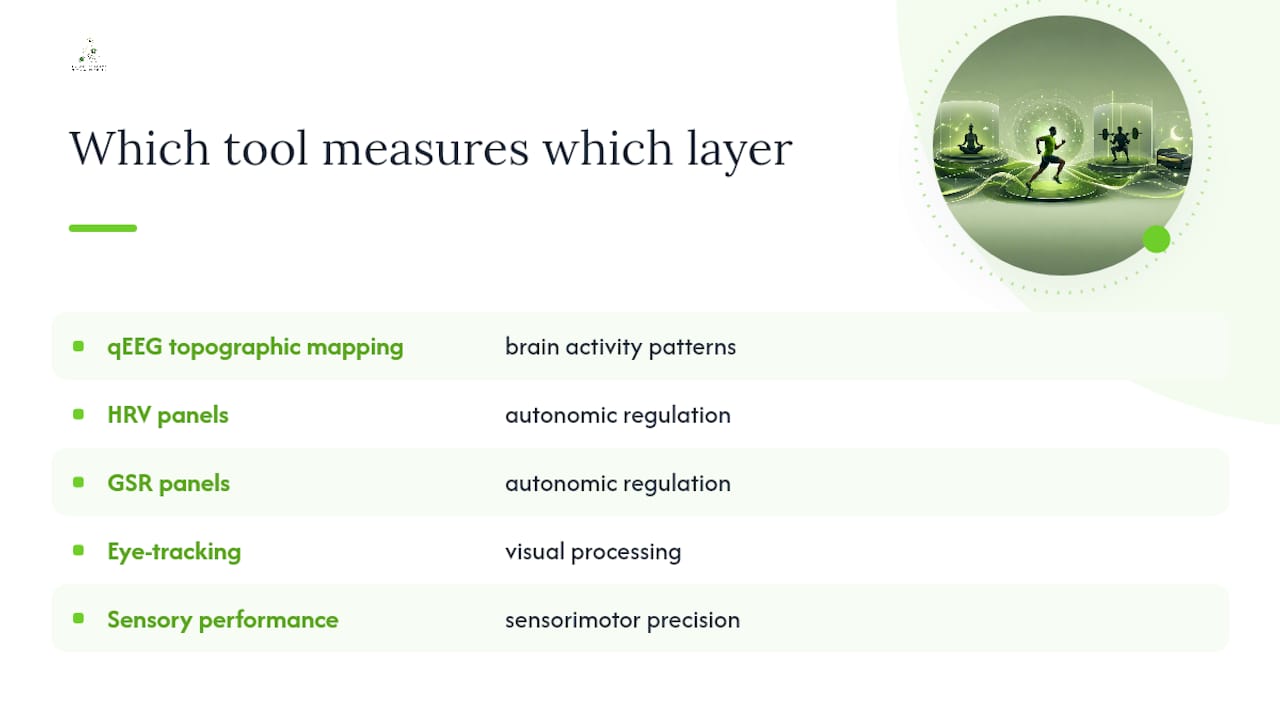
Assessment tools you may encounter include qEEG topographic mapping, HRV and GSR panels, eye-tracking, and sensory performance platforms. Each measures a different layer: brain activity patterns, autonomic regulation, visual processing, and sensorimotor precision.
What does the peer-reviewed evidence actually say?
The science is genuinely encouraging in places, and genuinely incomplete in others.
Where the evidence is strongest: qEEG measures (absolute power, coherence, amplitude asymmetry) have shown meaningful correlations with competitive performance. In one study of 32 professional female soccer players, perceptual response to brain activity correlated with performance at a significant level (https://pubmed.ncbi.nlm.nih.gov/33868670/). That is a real signal, not a marginal one. Neurofeedback training has demonstrated improvements in cognitive control, attention, and motor control across multiple sport contexts, with classification schemes now available to match the right protocol type to the right athlete need.
Where the evidence is preliminary:
- TES/tDCS shows promise for balance, endurance, fatigue recovery, and motor learning, but most studies are from lab populations rather than elite athletes(https://pmc.ncbi.nlm.nih.gov/articles/PMC9300323/), and stimulation parameters vary widely across studies.
- A recent systematic review of neurofeedback in football players covered a small number of studies involving a limited number of players. Cognitive gains were suggested, but the authors flagged small samples, heterogeneous protocols, and limited evidence for technical or tactical transfer to on-field performance.
- Multi-modal programs combining eye-tracking and neurofeedback have shown improvements in shooting velocity, offensive efficiency, and decision-making stability in youth cohorts, but sample sizes are small(https://www.frontiersin.org/journals/psychology/articles/10.3389/fpsyg.2026.1835322/full).
Key limitation: A scoping review of 48 EEG-neurofeedback studies found that only a minority of studies used active or inert sham protocols. None used modern spectral parameterization to separate true oscillatory changes from aperiodic background noise. This matters when evaluating provider claims.
The practical takeaway: the neuroscience is real, the methods are maturing, and the honest providers will tell you where their evidence ends.
How to trial a service without overcommitting
Request a structured pilot before signing a full program. Here is a template you can paste into any provider inquiry:
"We'd like to start with a 3-session pilot. Session 1: intake and baseline qEEG or sensor screen. Sessions 2–3: protocol delivery. At the end, we'd like a written pre/post comparison on [name your metric: attention scores, HRV, sport-specific drill performance]. Can you provide the protocol parameters in writing and confirm whether sham-controlled evidence supports the approach?"
Typical pilot pricing varies: expect a single baseline assessment to run $150–$400 depending on the technology used, with short packages of three sessions priced as a bundle. Some providers offer a free or low-cost initial consult before the baseline. Get the pricing in writing before the first session.
For performance state management context, the Robertsneurotraining blog outlines how arousal and recovery states interact with neurotraining outcomes, which helps you set realistic success criteria for any pilot.
Key Takeaways
Robertsneurotraining's Alpha Imprinting protocol is the most athlete-specific option among neuroscience-based performance alternatives, combining qEEG-informed baselines, telehealth delivery, and a nervous system focus that addresses the anxiety and trauma responses that block competitive performance.
| Point | Details |
|---|---|
| Lead with an objective baseline | A qEEG or physiometric panel before session one is the minimum standard for any credible provider. |
| Sham controls matter | Only 29% of EEG-neurofeedback studies used active sham; ask providers directly whether their evidence clears this bar. |
| Measure sport transfer, not just brain data | Pre/post sport-specific drills or decision-making tasks are the only way to confirm a program actually works for competition. |
| Request a 3-session pilot | Any credible provider should offer a short pilot with written success criteria before you commit to a full package. |
| Robertsneurotraining | Offers Alpha Imprinting, a 10-week Energy Optimization Program, and team workshops with qEEG-informed baselines and telehealth delivery. |
What most athletes miss when evaluating neurotraining programs
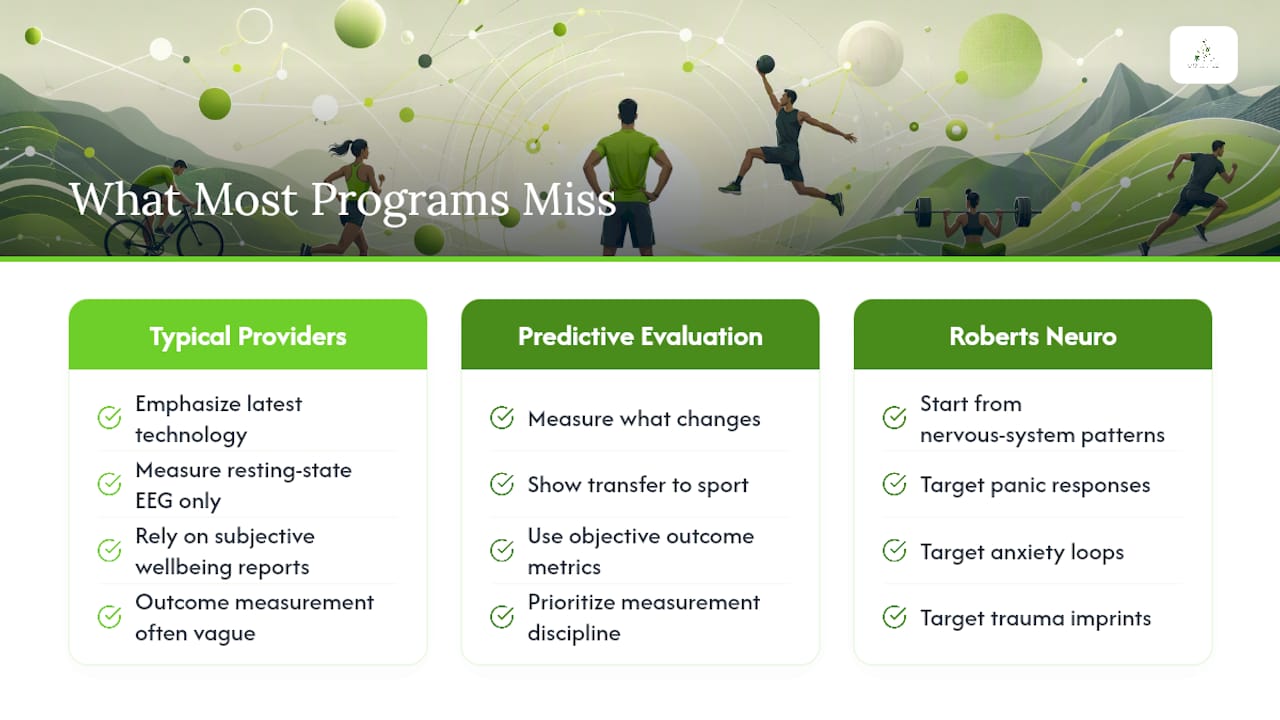
The loudest debate in this field is usually about which technology is most advanced. That is the wrong argument. The question that actually predicts outcomes is simpler: does this provider measure what changes, and can they show you it transferred to sport?
Most programs that underdeliver do so not because the neuroscience is wrong, but because the outcome measurement is vague. A provider who tracks only resting-state EEG and subjective wellbeing is essentially asking you to take their word for it. The research on qEEG and neurofeedback is genuinely promising, but the reproducibility problems in the literature (small samples, no sham controls, inconsistent protocols) exist precisely because too many practitioners skip the measurement discipline that makes results verifiable.
What Robertsneurotraining does differently is start from the nervous system patterns that actually block performance: panic responses, anxiety loops, and trauma imprints that no amount of visualization or breathing technique fully resolves. Alpha Imprinting works at that level. The mental skills resources that coaches use for general mental training are useful, but they do not reach the same layer of the nervous system. That distinction is worth understanding before you choose a program.
Robertsneurotraining: where to start if you're ready to act
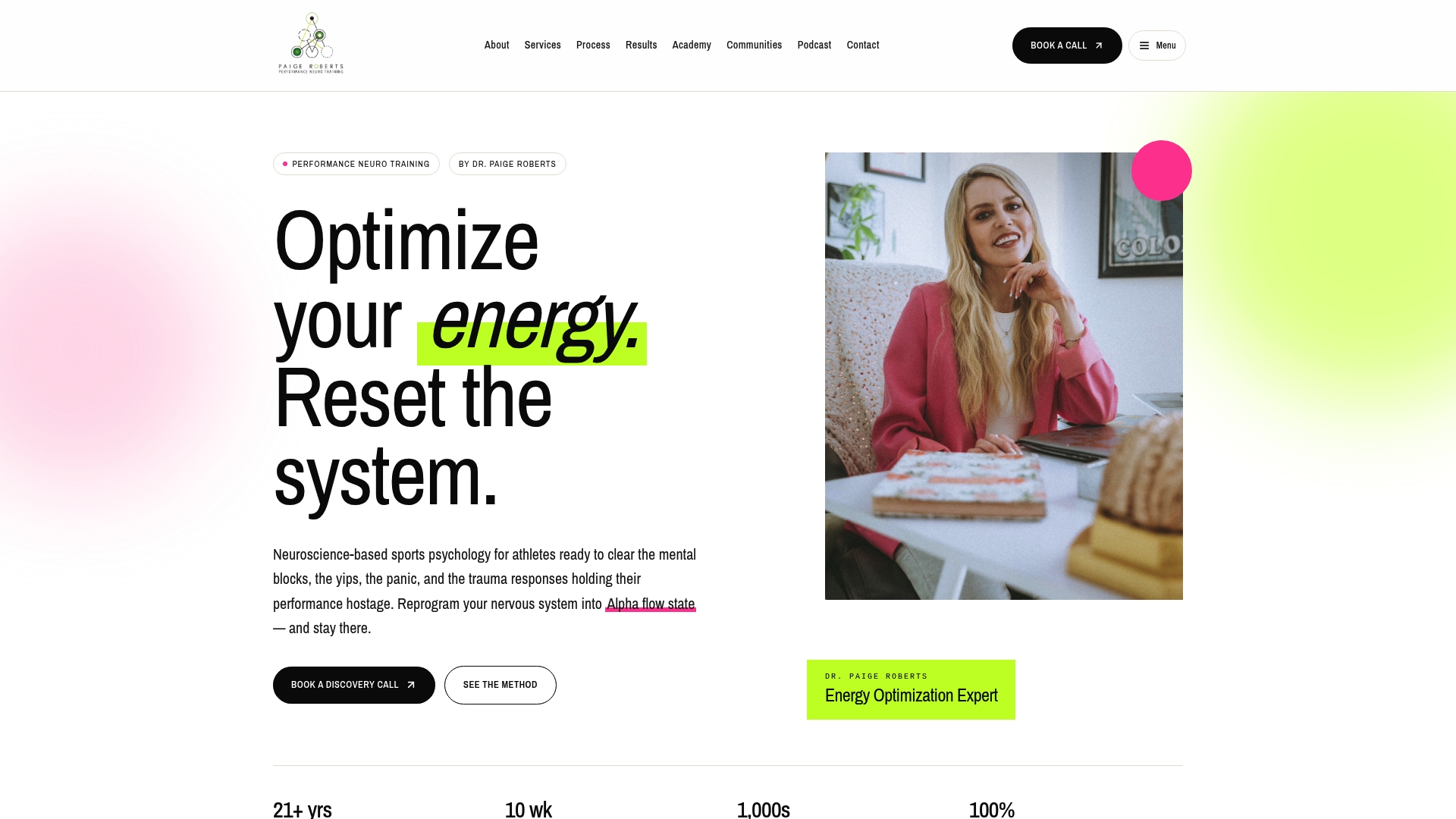
Robertsneurotraining offers a sharper entry point than most neurotraining programs because the work begins at the nervous system level, not the symptom level. For pro athletes and high performers dealing with performance anxiety, injury-related mental blocks, or trauma responses that surface under competition pressure, the 1:1 Performance Neuro Training program uses Alpha Imprinting to address those patterns directly. The 10-week Energy Optimization Program is built for athletes who want sustained gains across a full competitive cycle. Team workshops and cohort programs bring the same nervous system framework to groups.
A pilot engagement includes a baseline qEEG or sensory screen, three structured sessions, and written pre/post outcome data. In-home light and audio-visual devices are available as add-ons for athletes who need between-session support.
The Energy Optimization Workbook is a practical starting point if you want to understand the framework before booking. To book a pilot or explore the full program menu, visit Robertsneurotraining.
Useful sources
- Quantitative EEG evaluation for ... (PubMed entry)
- Transcranial electrical stimulation paper (PMC)
- A review of neurofeedback training for improving sport performance (Frontiers, 2021)
- EEG-Based neurofeedback in athletes and non-athletes: a scoping review (MDPI)
- Task-driven neurophysiological qEEG baseline performance capabilities (IJSAPT)